


Jelly – Digital Agency
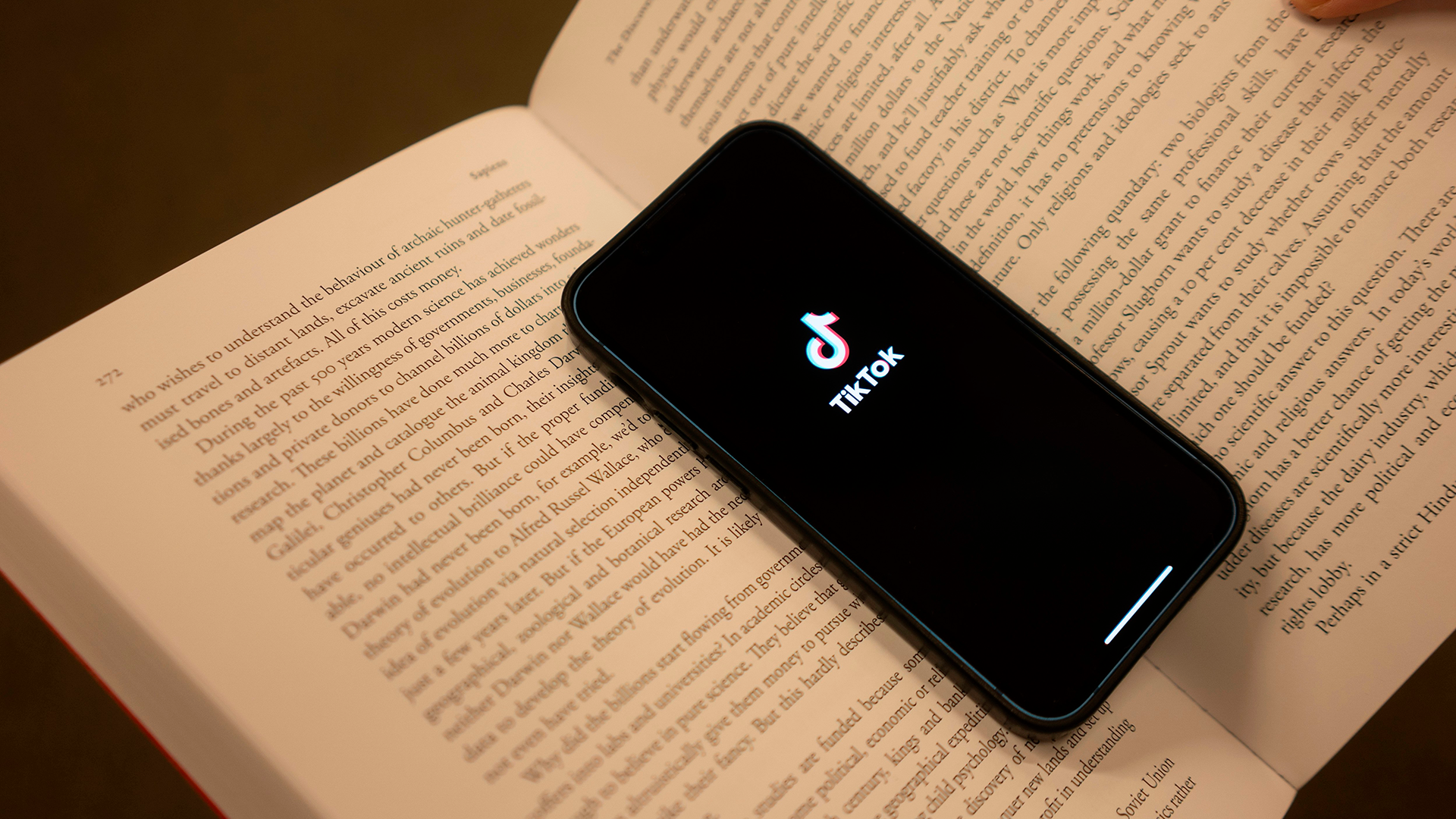
Na última década, assistimos à transformação completa de vários setores graças às redes sociais. O marketing de moda mudou com a chegada do Instagram, a restauração sofreu uma revolução com o TikTok food, e agora é a vez do setor livreiro enfrentar o seu maior ponto de viragem desde a massificação das vendas online: o #BookTok.
Observamos este fenómeno não apenas como uma tendência cultural, mas como um caso de estudo sobre como a economia da atenção, os algoritmos e a influência dos micro-influencers estão a remodelar hábitos de consumo, neste caso, de leitura, especialmente, entre o público jovem. Este movimento, que é para a literatura o que o “TikTok food” é para a culinária, levanta a questão: estaremos a assistir ao nascimento da literatura fast-food?
Neste artigo, detalhamos como a hashtag BookTok se tornou o principal motor de vendas do setor livreiro português, transformando a gestão de stock, os ciclos de tradução e a própria identidade dos leitores jovens, e analisamos a necessidade urgente de equilibrar o entusiasmo do algoritmo com a responsabilidade da curadoria literária.
O que é o BookTok e por que se tornou tão poderoso?
O BookTok é uma comunidade global dentro do TikTok focada em livros, composta por leitores, micro influencers e criadores que produzem conteúdo de curta duração, emocional e altamente partilhável sobre as suas leituras.
A sua força assenta em três fatores fundamentais:
1 – Autenticidade percebida
Os jovens confiam mais num vídeo de 30 segundos gravado num ambiente “caseiro” gravado por alguém “como eles” do que numa crítica literária tradicional. A emoção é a principal moeda de troca.

2 – Algoritmo orientado para descoberta
Ao contrário de outras redes, o TikTok privilegia conteúdos que prendem a atenção, não necessariamente conteúdos de contas com muitos seguidores. Isto permite que um livro desconhecido viralize de um dia para o outro.
3 – Conteúdos altamente replicáveis
As hashtags podem ter perdido relevância no Facebook e no Instagram, mas no TikTok a realidade é outra. Aqui, funcionam como um verdadeiro motor de busca, orientando o utilizador para nichos, tendências e comunidades específicas. No universo do BookTok, este comportamento é ainda mais evidente: hashtags como #BookTok, #bookrecommendations, #bookclub ou #bookgirl tornaram-se âncoras de descoberta. A elas juntam-se milhares de novas hashtags que identificam géneros literários, subgéneros e atmosferas de leitura.

O resultado? Um ecossistema onde as recomendações literárias se transformam em tendências virais, capazes de influenciar o mercado em tempo real. Livros esgotam, autores desconhecidos tornam-se fenómenos e listas de leitura crescem ao ritmo do scroll.
O impacto direto nas livrarias portuguesas
As livrarias nacionais já não respondem apenas à procura tradicional: respondem ao algoritmo. E isso nota-se em vários pontos chave.
1 – Secções dedicadas ao TikTok
Quase todas as grandes cadeias: Bertrand, Fnac, Wook e até livrarias independentes criaram áreas específicas com títulos famosos no TikTok. Estas secções têm rotatividade mais rápida do que a das novidades editoriais.
2 – Picos de vendas imprevisíveis, mas explosivos
Um livro viraliza, centenas de jovens entram na livraria à procura daquele título e compram. O ciclo é tão rápido que muitas livrarias admitem ter de adaptar a gestão de stock com uma agilidade inédita.
3 – Alteração das prioridades editoriais
Editoras portuguesas têm vindo a:
- reeditar títulos antigos com capas mais “TikTok-friendly”;
- antecipar lançamentos de autores populares no BookTok;
- investir em traduções aceleradas para acompanhar o hype internacional.
O BookTok não é apenas um canal – é, hoje, um driver de decisão comercial.
O comportamento dos jovens leitores: tendência, emoção e velocidade
O público jovem descobriu no BookTok uma comunidade que devolveu glamour à leitura. Contudo, existem padrões específicos que importa analisar.
Tendências observadas:
- Géneros dominantes: romance contemporâneo, fantasia, thrillers;
- Compra por impulso: muitos jovens compram livros sem qualquer contexto, apenas pela emoção transmitida num vídeo;
- Leitura como identidade: fotografar livros, partilhar estantes, criar resumos e reviews passou a fazer parte da experiência;
- Pressão social para ler “o que todos lêem”: uma forma de pertença, mas também uma limitação na diversidade literária.
Em termos de marketing digital, isto demonstra que os jovens respondem a narrativas mais do que a argumentos. Vendem-se sentimentos, não sinopses.
O lado “fast-food” da literatura – e o que isso significa para as marcas
O artigo da Comunidade Cultura e Arte levanta uma questão essencial: Estará o BookTok a promover uma literatura “fast-food”?
A verdade é que, do ponto de vista do marketing, a resposta não é simples. Por um lado, o fenómeno trouxe um novo fôlego ao mercado juvenil: aumentou vendas, levou mais gente às livrarias e voltou a pôr os livros no centro das conversas. E há ainda um lado muito positivo nesta mudança, as recomendações deixaram de ser exclusivas das grandes editoras e passaram a circular de forma mais livre e democrática.
Mas existe também um lado menos brilhante. Cada vez mais, a leitura parece seguir a lógica do algoritmo, dando prioridade ao que emociona rapidamente em vez do que convida a pensar. As escolhas começam a repetir-se, criando uma certa uniformidade que empobrece a diversidade cultural. E, com tantos “livros tendência”, o papel do livreiro enquanto alguém que orienta, sugere e descobre pode ficar para segundo plano.
No fundo, este cenário mostra como o marketing digital pode impulsionar um setor inteiro, mas também como o pode tornar dependente de tendências rápidas e isso deixa marcas, leitores e livrarias perante um novo desafio: aproveitar o melhor do fenómeno sem perder o essencial da leitura.
O BookTok é uma oportunidade – desde que o setor não abdique da curadoria
Na Jelly, olhamos para o BookTok como um verdadeiro caso de estudo sobre o poder das comunidades e da recomendação orgânica. É impossível ignorar o impacto: de repente, milhares de jovens voltaram a entrar em livrarias e a falar de livros com entusiasmo, algo que o setor tentava alcançar há anos. É um fenómeno ainda mais relevante quando olhamos para Portugal, onde conseguimos levar duas gerações, Gen Z e os mais novos da Gen Alpha, a consumir livros, algo que já vinha a ser crítico no nosso país. Mas, ao mesmo tempo, não deixamos de sentir alguma preocupação. O mercado editorial parece, por vezes, seguir demasiado de perto a lógica do algoritmo, trocando diversidade e missão cultural por picos de vendas imediatos. E sabemos bem que, quando uma estratégia fica totalmente refém da tendência, torna-se frágil.
O que defendemos é simples: equilíbrio.
Que o BookTok seja uma porta de entrada, não o único caminho. Que as livrarias portuguesas aproveitem o fenómeno como ferramenta, mas não como bússola.
Que os jovens leitores encontrem não só o “livro viral”, mas também aquele que realmente os marca e transforma. E que as editoras construam estratégias digitais capazes de juntar o melhor dos dois mundos: a força das tendências e a responsabilidade da curadoria.
O BookTok não é o fim da literatura. É apenas um novo capítulo.
E, como em qualquer narrativa, cabe ao setor decidir se quer apenas seguir a história ou assumir o papel de coautor.