




Marta Peral Ribeiro
– Consultora de Comunicação –
É importante que uma marca tenha um bom plano de negócio. Também é importante uma boa estratégia de marketing, um produto/serviço interessante, com um design apelativo, sem dúvida.
Mas o que é que realmente torna uma marca diferente das outras? E o público-alvo, reconhece essa diferença?
Marta Peral Ribeiro
– Consultora de Comunicação –
É importante que uma marca tenha um bom plano de negócio. Também é importante uma boa estratégia de marketing, um produto/serviço interessante, com um design apelativo, sem dúvida.
Mas o que é que realmente torna uma marca diferente das outras? E o público-alvo, reconhece essa diferença?
Palavra de ordem: Diferenciação
A ideia é revelar a personalidade da sua marca ao público-alvo e posicioná-la à frente de outras em determinados segmentos de mercado.
Existem muitas variáveis por onde as marcas podem desenvolver a diferenciação, entre as quais:
- os valores
- a inovação
- a reinvenção de um produto
- os serviços que apresenta
- o propósito
- a credibilidade
- a conveniência oferecida por um produto/serviço
- a comunidade que integra
- a imagem/design
- uma mascote
- o modelo de negócio
- os conteúdos
- a especialização da marca
- a quebra com o convencional
- uma ação solidária resultante da venda (devolver à comunidade)
- a sustentabilidade da marca
- limite de disponibilidade do produto
- o nicho de mercado
- a associação a um local (cultural, por exemplo)
- a ligação a determinada emoção
Geralmente, as empresas acabam por envolver mais do que um aspeto diferenciador.
No entanto, há um fator que condiciona tudo: o que o cliente capta.
É fundamental que o público-alvo percecione aquilo que o torna diferente. E para isso é importante definir o que, de facto, distingue a sua marca.
A estratégia de diferenciação
Comece por definir o porquê da existência da sua marca.
- Como é que surgiu a sua marca?
- Qual é a filosofia da empresa? Qual é o seu propósito?
- O que faltava no mercado e motivou a existência de um novo produto/serviço?
- Quais são os valores da sua empresa? São coerentes com o tipo de negócio que apresenta?
Em segundo lugar, importa estabelecer de forma concisa:
- Os principais benefícios do seu produto ou serviço;
- As soluções criadas para colmatar as necessidades do cliente;
- O motivo para o cliente escolher a sua marca.
Pesquise
Depois de identificar o que torna a sua marca única, é necessário garantir que esses elementos vão ao encontro daquilo que o seu público-alvo ideal pretende.
Quanto mais conhecer o seu público-alvo, as suas necessidades, as suas preferências, melhor saberá como diferenciar o seu produto.
Assim, deverá analisar o seu tráfego. Recorra ao Google Analytics, ao Facebook Analytics, ou às estatísticas disponibilizadas pelo blog onde fizer publicações da sua marca – caso a empresa já utilize estes canais de comunicação.
Posteriormente, é conveniente identificar os utilizadores da sua mailing list. Qual é o seu perfil dos utilizadores que procuram os seus serviços e produtos?
Lembre-se que, numa fase inicial, ainda não conhece verdadeiramente o seu público-alvo, mesmo acreditando que sim.
Valorize a experiência do utilizador
A ideia é tornar a interação do utilizador/cliente uma experiência única.
Ao procurar efetivamente proporcionar uma boa experiência ao seu cliente, estará a somar pontos na consideração do mesmo.
Inclusivamente, esta abordagem pode passar por literalmente facilitar a vida das pessoas através da criação de um serviço adequado às suas necessidades.
Por outro lado, também deve incluir neste ponto a disponibilidade mental do utilizador. Ou seja, podemos optar por tratar a atenção que ganhamos do nosso cliente como preciosa, em vez de exigirmos a sua interação a todo o instante.
Exemplos
A Ben & Jerry’s é uma marca de gelados que apresenta vários elementos diferenciadores, desde os seus valores (sustentabilidade, comércio justo) à criatividade de nomes que atribui aos seus produtos.
Ao mesmo tempo, destaca-se pela dinâmica de devolver à comunidade e por limitar a disponibilidade dos produtos de forma divertida:
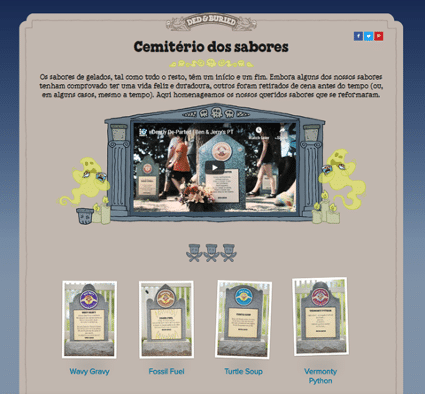
Fonte: Benandjerrys
Por sua vez, a Nintendo é a marca líder internacional na indústria de entretenimento interativo. Passados vários anos, continua a reinventar-se e a valorizar a opinião dos utilizadores, e sempre a ganhar novos públicos.

Fonte: Nintendo
Vemos isso através das consolas que cria, cujo software é user-friendly, ou quando inovou ao desenvolver uma consola híbrida, (que funciona como consola de TV e também é portátil). Mais do que ser amigável para o utilizador, é amigável para a família.
Por outro lado, a Nintendo procura desenvolver e refazer jogos clássicos solicitados pelos utilizadores, o que denota a valorização que atribui ao cliente.
O sucesso da marca revela-se também na diversificação de segmentos de mercado em que a Nintendo existe.
E qual o lema desta marca? “Fazer as pessoas sorrirem”.
Em resumo, a sua estratégia de diferenciação deverá assentar no porquê de a sua marca existir – dos valores à missão, passando pela sua história única. Posteriormente, importa alinhar esse «porquê» com os desafios, desejos, preferências e interesses dos seus clientes.