Welcome to the future: how NFTs are revolutionising this generation's technology
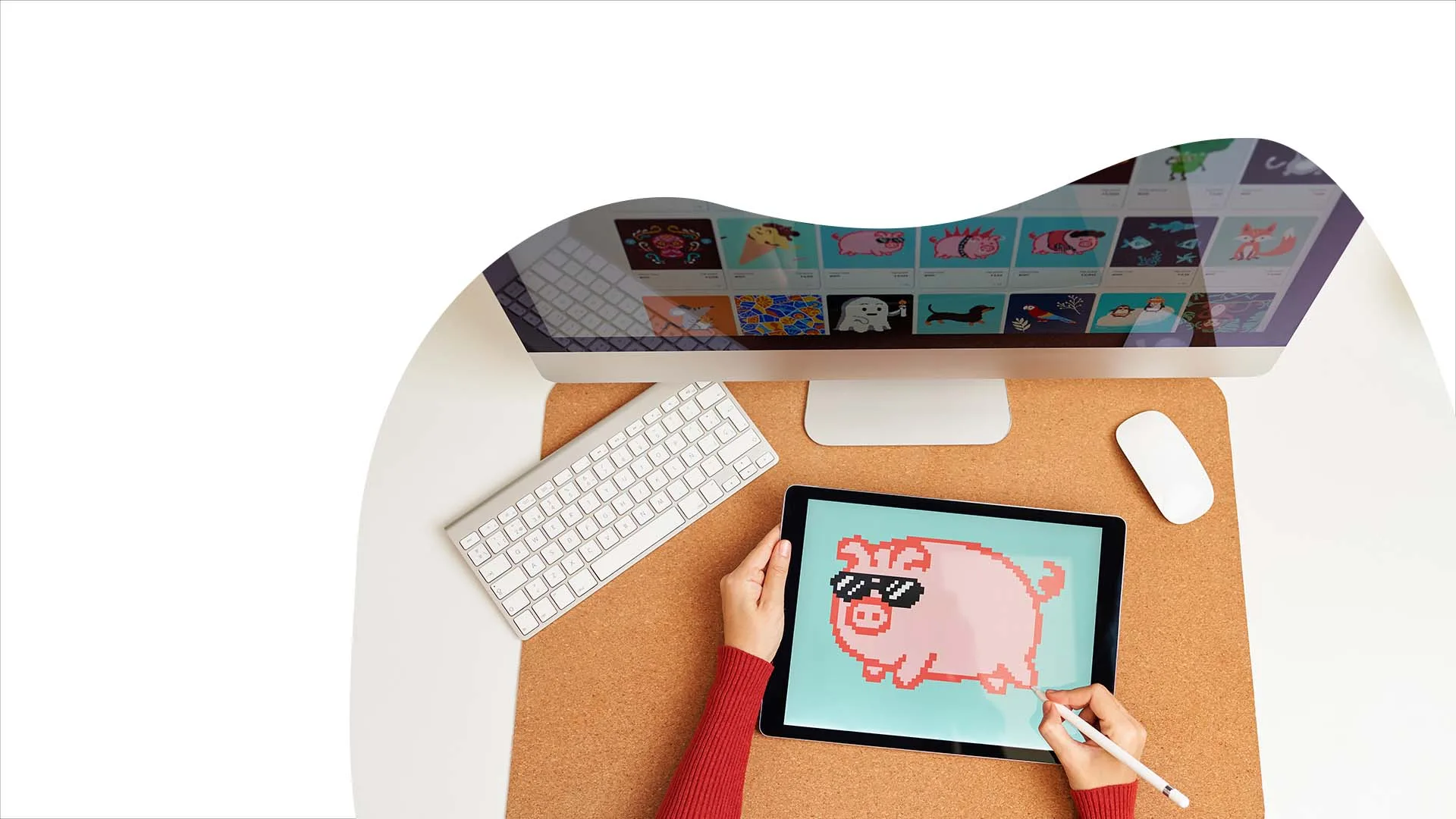
Marta Peral Ribeiro – Communications Consultant – If someone had told us a while back that within a few years digital artworks would be selling for millions of dollars, we would hardly have believed it. But that is exactly what is happening: the metaverse phenomenon and NFTs.
The transition to the metaverse, this parallel digital universe we are firmly heading towards, is reshaping our reality. Above all, naturally, in the digital sphere. Fundamental technological changes are taking place in art and in industry as a whole and, consequently, in the economy.
Marta Peral Ribeiro – Communications Consultant – If someone had told us a while back that within a few years digital artworks would be selling for millions of dollars, we would hardly have believed it. But that is exactly what is happening: the metaverse phenomenon and NFTs.
The transition to the metaverse, this parallel digital universe we are firmly heading towards, is reshaping our reality. Above all, naturally, in the digital sphere. Fundamental technological changes are taking place in art and in industry as a whole and, consequently, in the economy. A lot of ink has been spilled on NFTs, blockchain, the metaverse and crypto assets. From Facebook's switch to Meta, to the attempt to grasp what the metaverse actually is and how it relates to NFTs, to the sudden popularity they have been given (with daily sales in the region of 1,000 NFTs) and, of course, the eccentric sums running into the millions that we see attached to them. For all of this, our scepticism on the subject is legitimate. Source: Unsplash Non-fungible tokens (NFTs): what are they?
A non-fungible token is, in practice, a unique virtual asset.
Fungibility has to do with being able to replace goods with others of the same kind. Physical money, for example, is fungible, because if we swap a €20 note for two €10 notes we end up with the same value. A work of art, on the other hand, is non-fungible, because it is unique — there is nothing equivalent to it.
So, in technological terms, an NFT represents an exclusive (crypto)asset, since it cannot be lost or replaced. It can be attached to anything: a work of art, a song, a video, an image, a gif, an avatar, a tweet, and so on. And they can be bought with cryptocurrencies on platforms such as Ethereum or OpenSea.

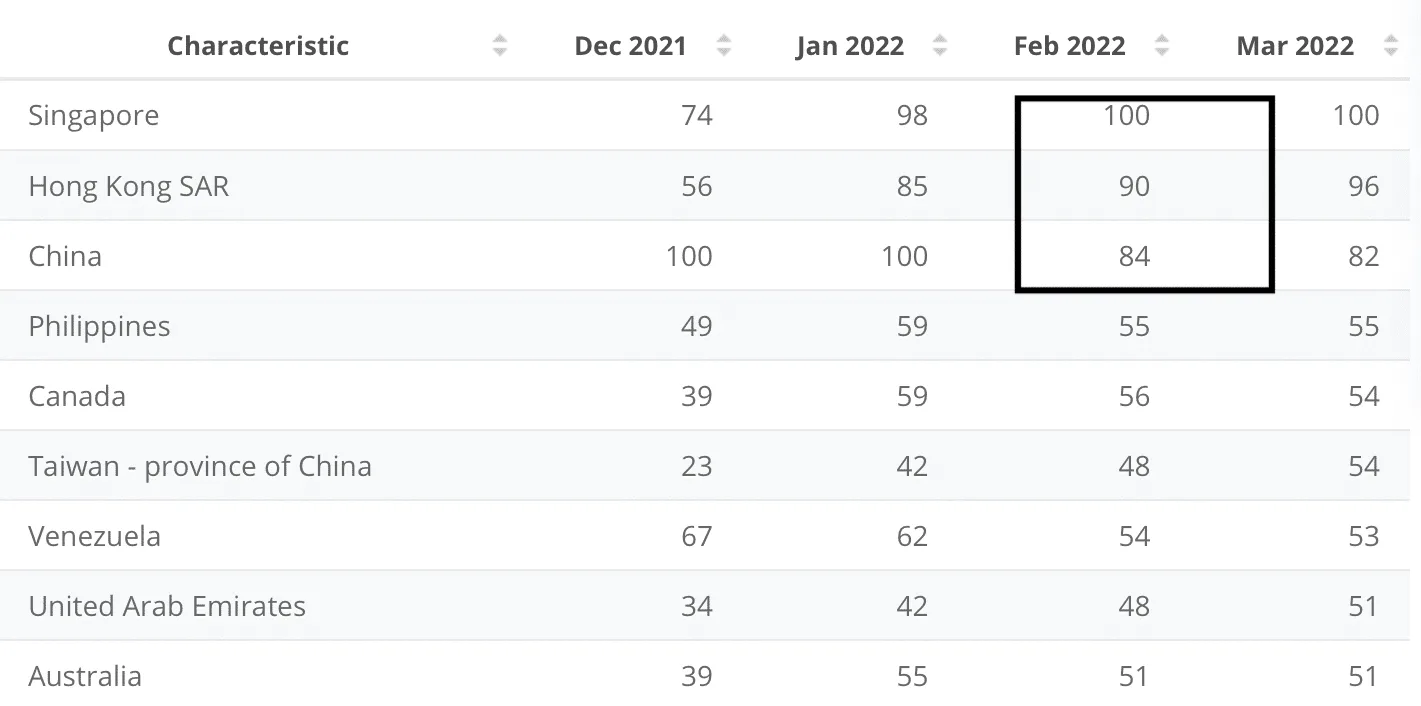
It seems that right now Singapore, Hong Kong, China and the Philippines are the most enthusiastic countries when it comes to buying NFTs:
What are NFTs for?
Imagine an emerging photographer publishes a photograph and attaches an NFT to it. A user sees its potential and decides to invest in that NFT. As the photographer's popularity grows, the NFT goes up in value. Its owner (the user) now has something worth more than when they bought it, and holds the certificate of authenticity for the photograph, proving that it is the original.
The same goes for other digital assets, such as a song or a video or, more popularly, items from the art and fashion industries. In the latter category, for instance, it has become common to adapt clothing or accessories a brand already sells in the physical world, now in a digital version to dress and adorn the user's avatar. In other words, NFTs are created in which the asset is those items representing the brand. After all, if I carry a bag from a particular brand, why wouldn't I choose the same for my avatar?
This is one of the angles that matter when we talk about NFTs. But there are more.
A question of individuality
When we buy an NFT, we become the rightful owner of that authentic, original item. The exclusivity factor becomes all the more relevant because this “record of ownership” is public. Not only do we show the world that something is ours, we also express what we like, which brings us to the next point. A sense of belonging
Just as a fan likes to wear their club's scarf, which makes them recognisable to other members of that club, a user who owns a particular NFT is expressing what they like, which places them in a group. It might be a group tied to art, to a brand, to a game, or to any other interest. And who doesn't want to belong to a tribe?
A shift in the market paradigm
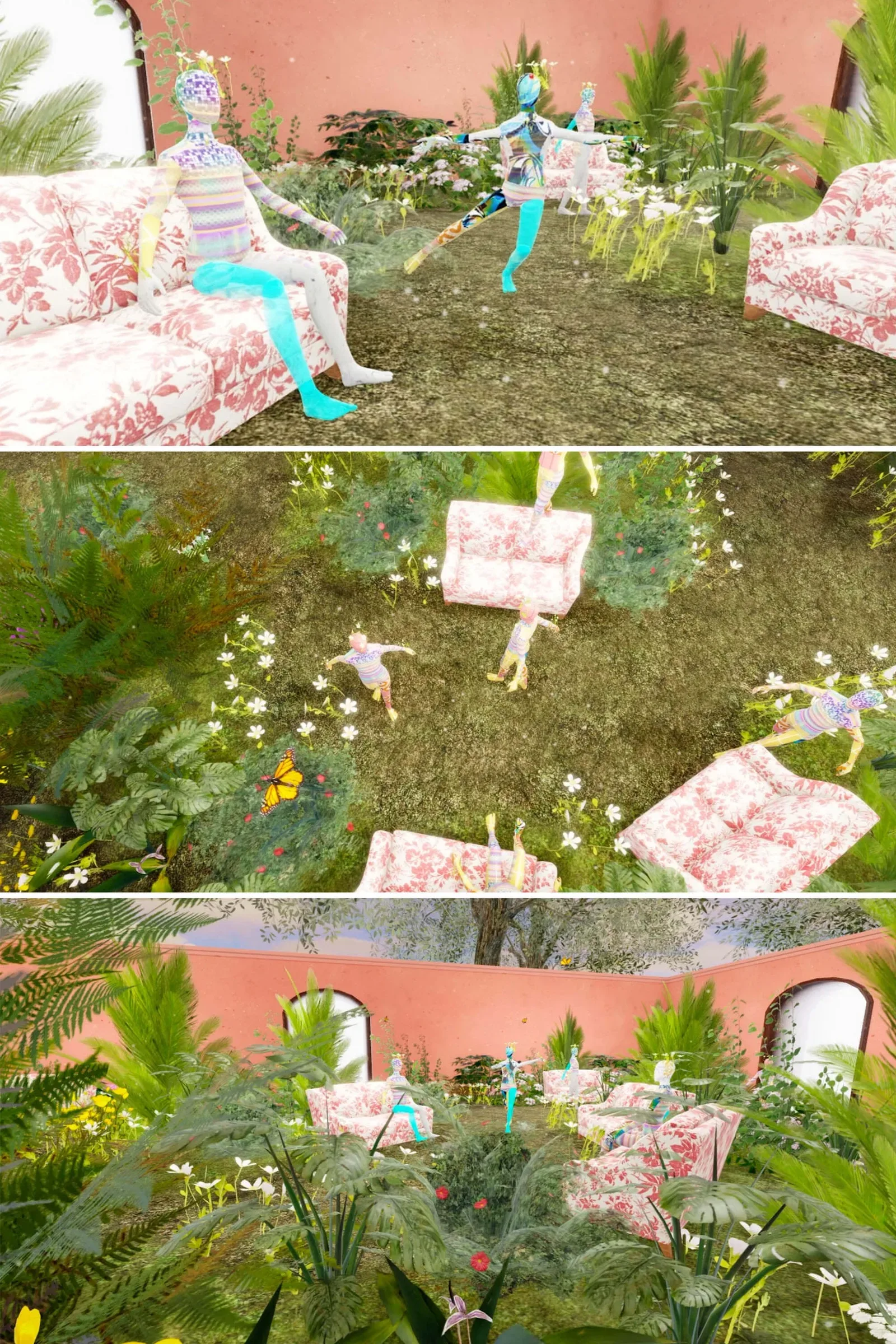
NFTs have enormous market potential. We can now buy digital goods, and users — especially collectors, and many investors — are indeed putting real money into acquiring them. In the metaverse environment in particular, the possibilities are endless, because it has none of the constraints typical of the physical world. We can easily buy a property or a garden, for example. Roblox / Gucci Decentralisation of power
The entire industry being built in this new era of the internet brings a competitiveness that creates new incentives and better products. Until now, assets have been centralised in a single entity, usually with a rigid structure, which has the power to block the user from trading. Now the owner is the user, who can transfer or sell their crypto assets. Transparency – blockchain technology
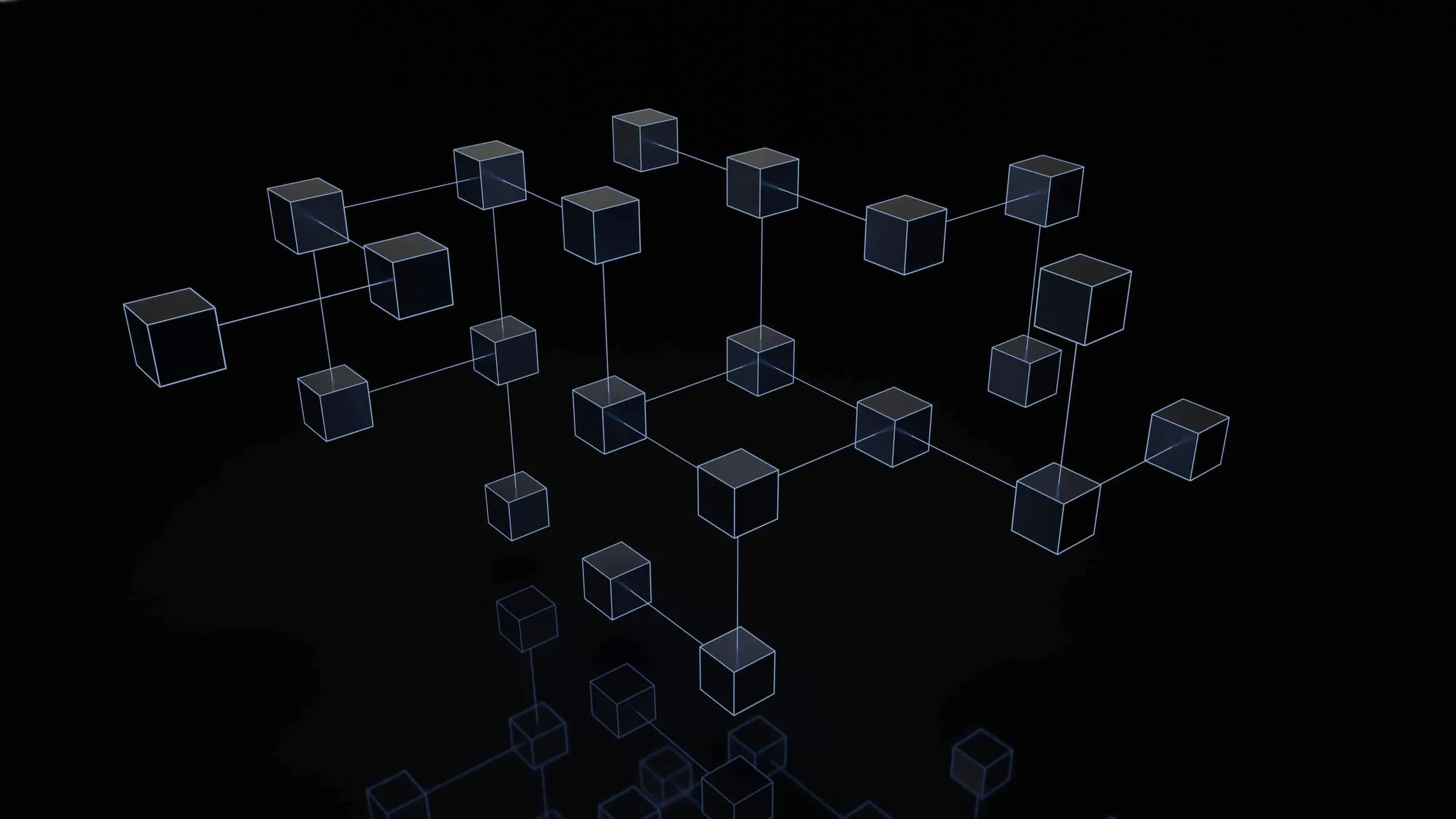
The technology used to host NFTs is the blockchain. This data structure records information (transactions, contracts, whatever it may be) shared across a network. Those records are immutable and public to all parties involved. In practice, it is like a digital database visible to anyone who is part of it, anywhere in the world. This system therefore creates transparency and consistency. Source: @theshubhamdhage And for brands, is there any point in diving into the metaverse and NFTs?
Absolutely. Several brands are already waking up to the new market. And that, as explained here, sets them apart. When something is new and a brand positions itself out in front, it not only stands out as innovative but genuinely gains visibility and, consequently, sales. Here are some of the possibilities:
Relationships with consumers
The virtual world has taken on enormous relevance for consumers, especially in recent years. This new bridge, connecting them to the digital version of brands, strengthens that relationship. Brands can now activate their customer base by bringing them into the virtual world — where most of them already are, in fact.
New products
A brand can launch a new product, a game, an image or a virtual ticket to an exclusive event (virtual, using avatars), attaching NFTs to them. Games are without doubt a good bet: through a game a brand can, for example, hand out digital versions of its products, create accessories for avatars or even a “crypto-mascot”.
Discontinuing products
Say a brand wants to discontinue a product: it can attach an NFT to it. And that item may even rise in value. So a user can buy it and even sell it on at an attractive price because it is a rare item.
Community management
Coming back to the sense of belonging, brands can invest in community management, creating NFTs that appeal to the members of that community and encourage their interactions.
In any case, as with any step a company takes, a strategy has to be mapped out first. In that plan, the company will need to understand its positioning and how the public perceives its image and its products, namely what sets the brand apart within its market segment.
Brands that have created NFTs
Gucci x Superplastic

Gucci recently partnered with Superplastic, famous for its animated celebrities and vinyl pieces. The first series of NFTs features the character CryptoJanky (Janky is a fashion influencer) in different settings inspired by the Gucci Aria collection. It also includes a ceramic piece handmade by Italian artisans, limited to 500 units, which gives this NFT an even greater sense of exclusivity. Havaianas
In keeping with the trend, Brazilian brand Havaianas worked with the artist Adhemas Batista to create the digital art collection “Felicidade”, with five crypto assets up for auction.
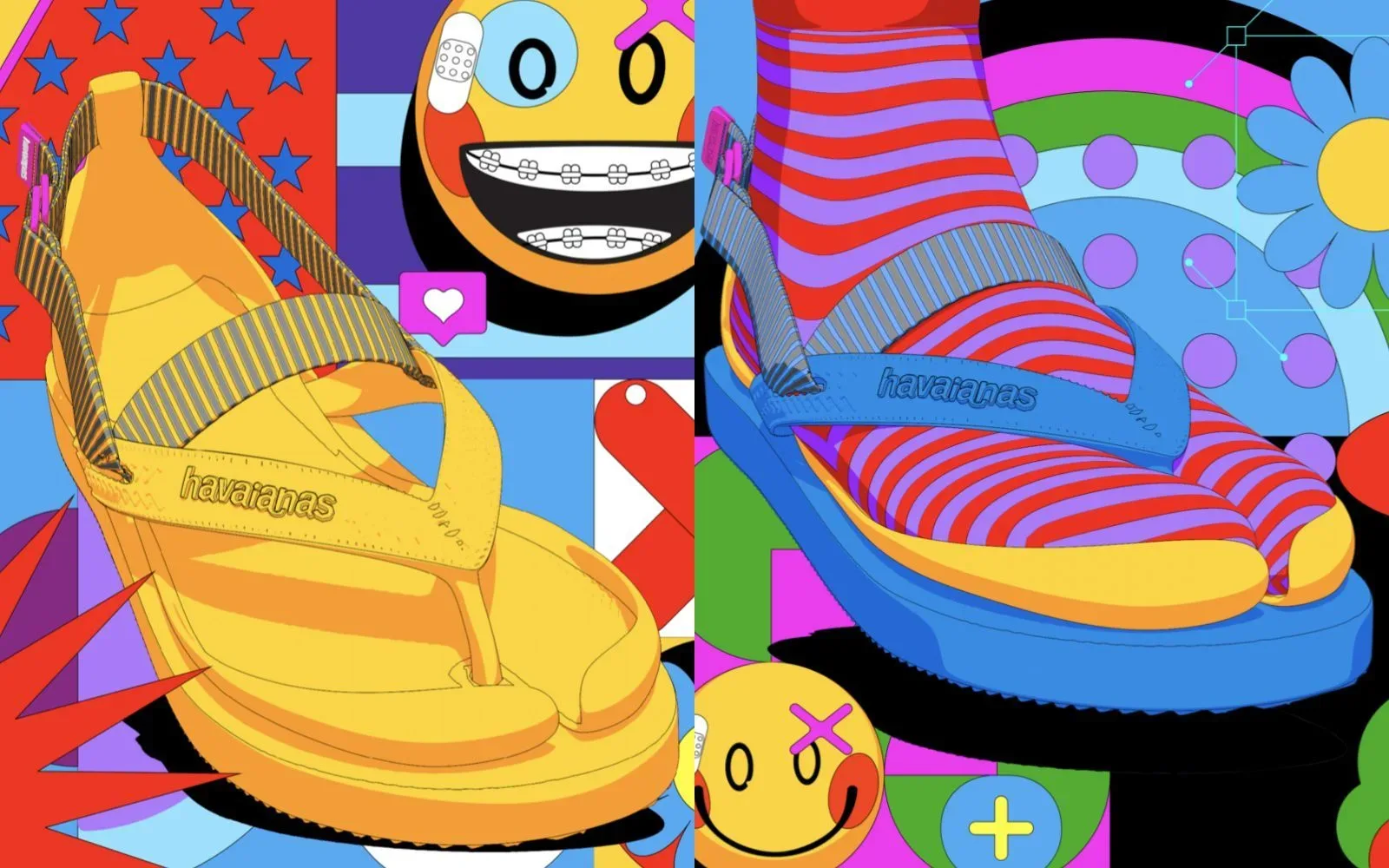
Among these NFTs is a gif that fetched more than €1,000. Source: NSS Mag Where are we heading?
Right now we hear about NFTs on every street corner — along with cryptocurrencies and other virtual buzzwords — even without really understanding what they are and how they connect to digital art and, more broadly, to the metaverse.
Everything happening with the transition to the new internet is, as in life, constantly changing. The difference is that in technology everything happens faster.
At first glance it may look like just more hype, and the NFT frenzy will certainly settle into some kind of balance, where prices for artworks and digital characters are not as absurd as many of those we have seen around the internet. And that will happen when the market matures, when we better understand the fundamentals of crypto assets and can tell the ones that genuinely have value from the ones that do not.
And while for users NFTs help shape their virtual identity, in a game or on a digital platform, as well as giving them access to exclusive events, for brands they represent new ways of relating to consumers and plenty of sales opportunities.
In short, NFTs not only add value to the digital ecosystem but will definitely transform the fundamentals of the economy and of digital marketing. We will be here to watch.

Get what we write
No fixed calendar: only when there is something worth your time.