




Miguel Afonso Gonçalves
– Copywriter e Travel Blogger –
Sempre se questionou sobre o sucesso imediato de plataformas como o TikTok? Ainda tem dúvidas que o formato vídeo conquistou o espaço das redes sociais? O infotainment mostra-se, cada vez mais, como um possível fio condutor da comunicação de uma marca e é o público que vem ditando as razões.
Miguel Afonso Gonçalves
– Copywriter e Travel Blogger –
Sempre se questionou sobre o sucesso imediato de plataformas como o TikTok? Ainda tem dúvidas que o formato vídeo conquistou o espaço das redes sociais? O infotainment mostra-se, cada vez mais, como um possível fio condutor da comunicação de uma marca e é o público que vem ditando as razões.
Ao longo dos últimos anos, aliado ao boom das redes sociais, surgiram inúmeras ferramentas que auxiliam as marcas nas suas estratégias de comunicação.
A comunicação e o marketing evoluem, o público também e as marcas são obrigadas a ajustar os meios para chegar ao público pretendido. Ao longo dos últimos anos, aliado ao boom das redes sociais, surgiram inúmeras ferramentas que auxiliam as marcas nas suas estratégias de comunicação. E apresentam uma característica em comum: potenciam o infotainment.
Actualmente, em plena era digital e tecnológica, alguns estudos – por exemplo, um conduzido pela Microsoft – têm reportado, em média, uma decrescente capacidade de atenção do ser humano, um dado dramático para as marcas que pretendem conquistar a atenção da sua audiência.
Assim, como se entende, o infotainment, que resulta da fusão das palavras informação e entertainment, deve ser tido em conta, como um relevante pilar para o sucesso da comunicação digital das marcas. Porquê? O que tem sido feito nesse sentido?
O vídeo: o expoente do infotainment
O vídeo é mais susceptível à partilha, à interação e impulsiona a notoriedade das marcas.
Existem poucas dúvidas que uma boa capacidade de storytelling potencia uma maior interação e relação com o público, ajuda a reter o público durante mais tempo e claro, propicia uma clara vantagem na transmissão efectiva da mensagem e informação.
Atentando no conceito “storytelling”, sabemos que existem dois formatos primários, através dos quais as marcas contam histórias: o texto – ou o copy – e a imagem. Enquanto ferramenta de marketing e comunicação, o vídeo combina ambos os formatos e é, assim, a principal forma de criar infotainment. Sem surpresa, o vídeo é mais susceptível à partilha, à interação e impulsiona a notoriedade das marcas.
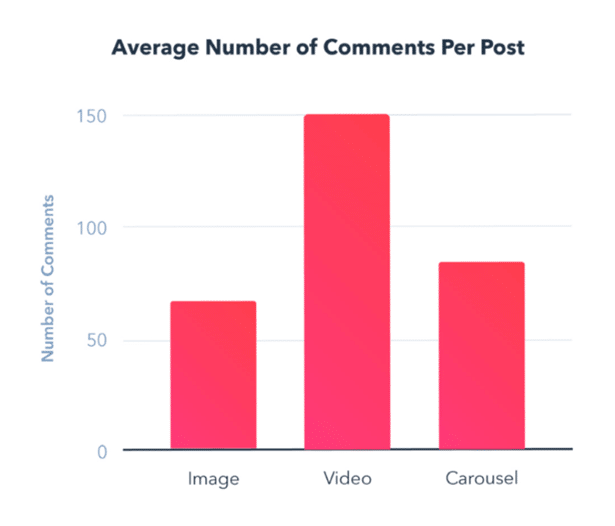
No Instagram Engagement Report da Mention (uma plataforma de monitorização das redes sociais), essa característica dos vídeos está em clara evidência, superando, em larga escala, a capacidade da imagem estática gerar engagement.
O espaço do vídeo nas redes sociais
Num outro artigo publicado no blog da Jelly, no qual se retratam as diferentes funcionalidades das redes sociais, fica claramente evidente que as redes sociais têm compreendido a relevância do vídeo, enquanto meio de retenção de público e interação entre os utilizadores. Tome-se o exemplo das Instastories no Instagram – posteriormente replicadas no Facebook – e o sucesso de plataformas como o TikTok e o YouTube – tendo ambas “obrigado”, por exemplo, o Instagram a desenvolver novas funcionalidades para se manter relevante – Reels e IGTV.
Num estudo da Marktest sobre “Os Portugueses e as redes sociais” em 2020, há duas conclusões muito interessantes sobre como o vídeo atrai, inevitavelmente, os utilizadores das redes sociais.
Por um lado, analisado pela primeira vez em 2020, o TikTok não só entra directamente para a 9ª posição em penetração, como ainda ascende à 5ª posição em notoriedade espontânea. O sucesso desta plataforma foi instantâneo em Portugal e no mundo. Por outro lado, o YouTube mantém a sua relevância neste segmento. É a terceira rede social que mais utilizadores – quase 95% – de redes sociais visitam, pelo menos, uma vez por semana, sendo superada apenas pelo Facebook (96%) e pelo WhatsApp (95,7%).
Mudança de paradigma… em meios tradicionais
O impacto do vídeo na indústria do entertainment não passa despercebida mesmo nos meios, ditos, tradicionais.
A rádio, já habituada a ter “o seu fim” antecipado por tantos, tem sido um dos nítidos exemplos de adaptação à realidade e ao público. A voz deixou de ser o seu único elemento distintivo e passámos, sobretudo ao longo da última década, a associar a rádio a imagens, pessoas e momentos. Sem excepção e olhando para o caso português, as principais estações de rádio do país habituaram o público à partilha de vídeos, que frequentemente se tornam virais nas redes sociais.
Do mesmo modo, na última década, o podcast popularizou-se de forma generalizada, levando a que diversas marcas, sobretudo do sector dos media, apostassem neste formato. No entanto, se o conceito original se baseava somente no áudio – assim como a rádio – nos últimos anos têm sido cada vez mais popularizados no formato audiovisual, reconhecendo a dimensão visual como premente na conquista do infotainment.
Conclusão
A relevância do vídeo – cada vez mais designado como videomarketing – é inequívoca. Parece, até ao momento, ser a fórmula de comunicação de excelência para que as marcas conquistem notoriedade, desenvolvam relações mais próximas com o seu público e usufruam dos melhores atributos proporcionados pelas redes sociais.
O infotainment é um conceito nascido na esfera da comunicação social, cujas premissas são de grande utilidade à gestão da comunicação e marketing de qualquer marca: um storytelling competente e marcante na difusão de uma mensagem, no formato, aparentemente, mais capaz de conquistar a atenção, cada vez mais fugaz, do público.