Coronavirus: the human side of brands

Overnight, many homes have become workplaces, schools and gyms. Zoom and Gchat are now part of the household, and there are no borders left between the personal, the professional and the family spheres. How do you keep brands sustainable and staff motivated during a pandemic?
On one side is the customer, who is the reason a brand exists and who deserves to see it reinvent itself; on the other is a team of people flooded with uncertainty, and of whom the best possible performance is expected.
Company HR departments are readjusting as best they can to a new paradigm that arrived without asking permission.
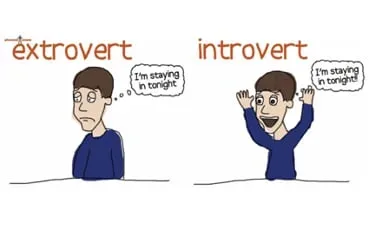
Given the circumstances, two issues are pressing when it comes to keeping brands sustainable: putting remote working in place, and keeping an eye on the psychological and emotional state of the people on the team.
A new model of work
In Portugal there are companies that already offered remote working conditions and only had to fine-tune their IT. For others, working from home was nowhere near a reality.
Faced with COVID-19, both have had to introduce or scale up new working processes and policies.
Clearly, moving from a traditional working model to remote work takes time, responsibility and flexibility. It means reviewing management processes and productivity metrics and, of course, giving staff the conditions they need to work from home.
Meanwhile, many companies are starting to realise there are advantages (economic ones in particular) to adapting part of their processes to remote work. For example:
– companies that rent buildings at weekends to keep operating could keep staff working remotely during that period
– plenty of meetings can be held over chat platforms, avoiding travel or trips to the office (business accounts on Gchat or Zoom, for instance)
– a number of employees are more productive when they work somewhere other than the office
People
We know that motivation and productivity are affected by physical factors such as the working environment, comfort or noise.
On top of that, emotional factors such as a sense of belonging and temperament itself account for a great deal of how people perform.
On one hand, there are employees who are well suited to the digital world and turn out to be more productive working alone and remotely. On the other, there are those caught in a vicious circle of emotional stress and lower productivity.
Alongside this, many are in family situations that demand enormous emotional resources to manage the anxiety.
So, given that personal, professional and family life are all one and the same right now, it is important to balance the company's needs with those of its people.
After all, the more confident employees feel, the greater their capacity to work — and, as a result, the more successful the brand.
Strategies some companies can adopt:
- Provide the tools employees need to work as effectively as possible
- Ask team members what they need and try to meet those needs
- Adjust productivity metrics to each person's circumstances
- Allow flexible hours or reduced hours wherever possible
- Set up a business account with a content streaming service for staff;
- Offer online educational tools to employees with children (children's demands are one of the main factors many employees point to)
- Offer packages of online classes based on employees' interests (fitness classes / creative writing workshop / cookery course / graphic design classes)
- Run online social events to strengthen relationships between colleagues (for example, the team could agree to have breakfast together, simply switching the camera on at the agreed time; or have a chat over a coffee).
Naturally, the more established the company, the more resources it can offer its people. Not every company is able to provide the more appealing tools, but they can certainly listen to what their staff need and meet those needs as far as they are able.
Inclusive communication is, once again, a decisive factor during this period of quarantine — not only to keep the team cohesive and confident that they belong to it, but also to pick up on situations of emotional stress.
Conclusion
Thanks to advances in technology, the trend was already for many areas to move into the digital space, with remote working increasingly built in. The pandemic has simply accelerated that shift.
That said, suddenly bringing in a raft of new measures and policies demands a great deal of responsibility and responsiveness, both from individuals and from the system itself.
One of the propositions the pandemic has handed us is precisely to review the prevailing model of work. Fortunately, we are seeing many brands prove highly adaptable and readjust to the market.
One thing is certain: it is better to pull together the resources to invest in transformation than to try to salvage the system you had before, which in many cases was not working anyway.
Get what we write
No fixed calendar: only when there is something worth your time.