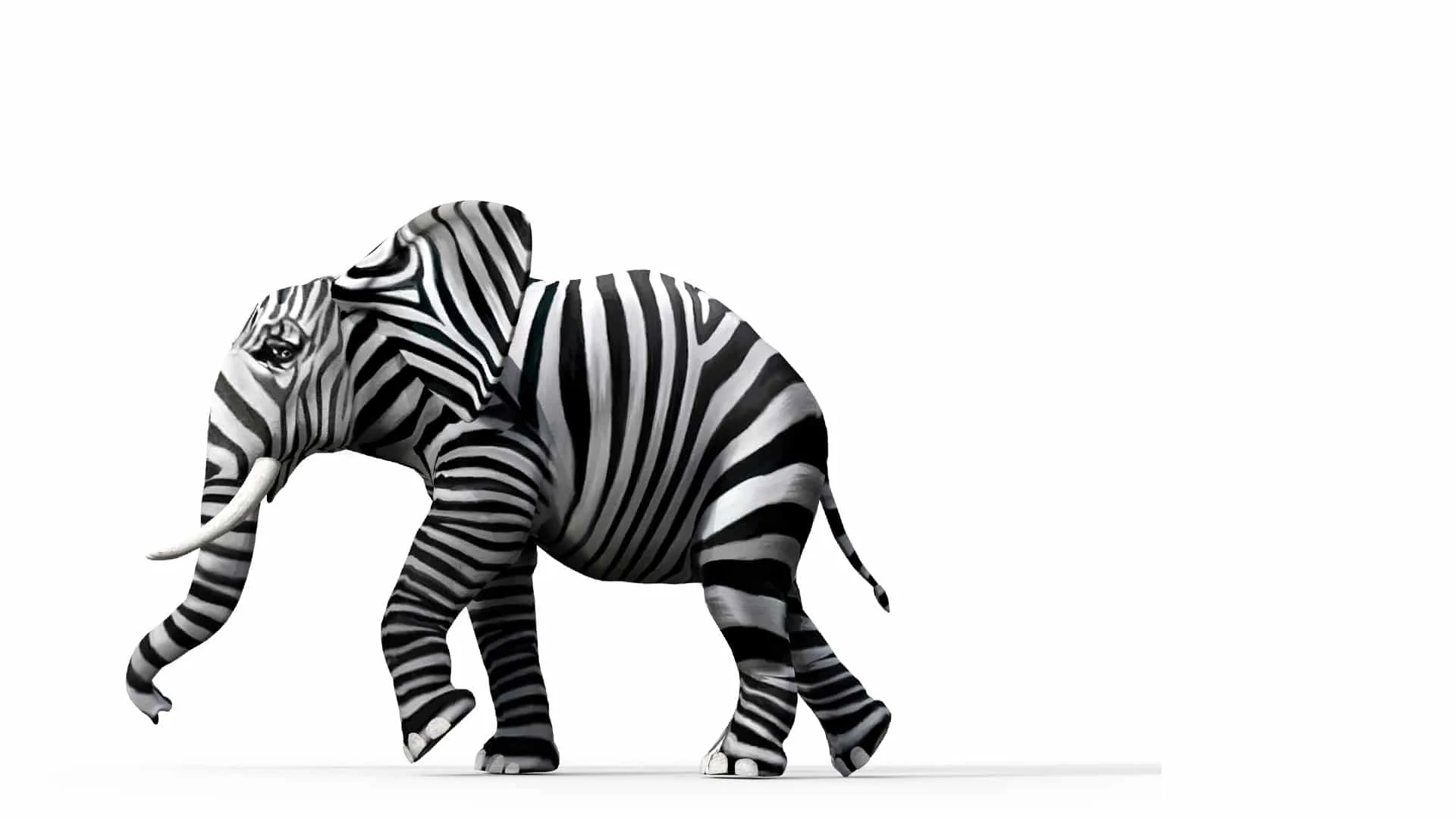
What makes a brand unique in the eyes of the consumer?
Marta Peral Ribeiro – Communications Consultant –
It's important for a brand to have a good business plan. A good marketing strategy matters too, as does an interesting product or service with appealing design — no question.
But what really makes one brand different from the others? And does the target audience recognise that difference?
Marta Peral Ribeiro – Communications Consultant –
It's important for a brand to have a good business plan. A good marketing strategy matters too, as does an interesting product or service with appealing design — no question.
But what really makes one brand different from the others? And does the target audience recognise that difference?
The watchword: differentiation
The idea is to reveal your brand's personality to your target audience and position it ahead of others in particular market segments.
There are plenty of angles brands can use to build differentiation, including:
- values
- innovation
- reinventing a product
- the services on offer
- purpose
- credibility
- the convenience a product or service offers
- the community it belongs to
- image and design
- a mascot
- the business model
- content
- the brand's specialisation
- breaking with convention
- a charitable action tied to each sale (giving back to the community)
- the brand's sustainability
- limited product availability
- the market niche
- association with a place (cultural, for example)
- a link to a particular emotion
Companies usually end up combining more than one differentiating element.
That said, one factor shapes everything else: what the customer picks up on.
It's essential that your target audience perceives what makes you different. And for that, you need to define what actually sets your brand apart.
The differentiation strategy
Start by defining why your brand exists.
- How did your brand come about?
- What is the company's philosophy? What is its purpose?
- What was missing in the market that prompted a new product or service?
- What are your company's values? Are they consistent with the kind of business you run?
Second, you need to set out concisely:
- The main benefits of your product or service;
- The solutions you've created to meet customer needs;
- The reason a customer should choose your brand.
Do your research
Once you've identified what makes your brand unique, you need to make sure those elements match what your ideal target audience is looking for.
The better you know your target audience, their needs and their preferences, the better you'll know how to differentiate your product.
So start by analysing your traffic. Use Google Analytics, Facebook Analytics, or the statistics from the blog where you publish your brand's posts — if the company already uses these channels.
Next, it's worth identifying the people on your mailing list. What's the profile of the users who seek out your services and products?
Remember that, early on, you don't truly know your target audience yet — even if you're convinced you do.
Make user experience count
The idea is to turn every interaction with the user or customer into a unique experience.
By genuinely setting out to give your customer a good experience, you're earning points in how they see you.
This can even mean literally making people's lives easier, by creating a service that fits their needs.
It should also cover the user's mental bandwidth. In other words, we can choose to treat the attention we earn from our customer as precious, rather than demanding their engagement at every turn.
Examples
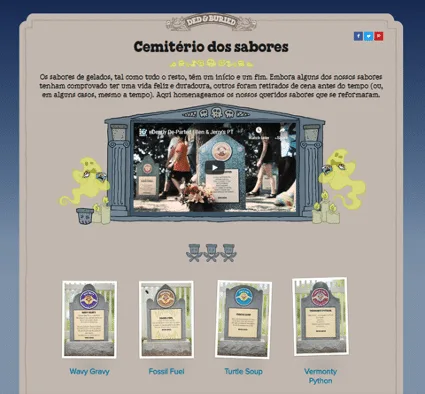
Ben & Jerry's is an ice cream brand with several differentiating elements, from its values (sustainability, fair trade) to the creative names it gives its products.
At the same time, it stands out for giving back to the community and for limiting product availability in a playful way:
Nintendo, meanwhile, is the international leader in the interactive entertainment industry. Years on, it keeps reinventing itself and valuing users' opinions, and keeps winning over new audiences.

You can see it in the consoles it creates, with user-friendly software, or when it innovated by developing a hybrid console (one that works as a TV console and is also portable). More than user-friendly, it's family-friendly.
Nintendo also works on developing and remaking classic games that users have asked for, which shows how much it values the customer.
The brand's success also shows in the range of market segments Nintendo operates in.
And the brand's motto? “Putting smiles on people's faces”.
In short, your differentiation strategy should rest on why your brand exists — from its values to its mission, by way of its unique story. Then you need to align that “why” with your customers' challenges, desires, preferences and interests.
As Simon Sinek would put it, “people don't buy what we do, they buy why we do it”.
JTNDZGl2JTIwY2xhc3MlM0QlMjJmYi1jb21tZW50cyUyMiUyMGRhdGEtaHJlZiUzRCUyMmh0dHBzJTNBJTJGJTJGd3d3LmplbGx5Y29kZS5wdCUyRnRlY25vbG9naWElMkZhLXZvei1uby1jb21hbmRvLWRvLWZ1dHVyby1kYS10ZWNub2xvZ2lhJTJGJTIyJTIwZGF0YS13aWR0aCUzRCUyMjEwMCUyNSUyMiUyMGRhdGEtbnVtcG9zdHMlM0QlMjIxMCUyMiUzRSUzQyUyRmRpdiUzRQ==

Get what we write
No fixed calendar: only when there is something worth your time.