Do we grow with social media, or does social media grow with us?
Inês Tito – Copywriter – Communicating is as natural an act as breathing. It's essential to our survival, allowing us to relate to others and understand our place in the world.
In essence, we've been communicating for the same reasons for millennia. Yet we communicate very differently from our ancestors. Today, technology is crucial. And as society moves forward, some tools fall out of use. Meanwhile, better and more effective ones appear.

Social media is one of those tools. There's a vast range on offer, spanning every age group. And the most interesting part is that there's no sign of it slowing down.
Inês Tito – Copywriter – Communicating is as natural an act as breathing. It's essential to our survival, allowing us to relate to others and understand our place in the world.
In essence, we've been communicating for the same reasons for millennia. Yet we communicate very differently from our ancestors. Today, technology is crucial. And as society moves forward, some tools fall out of use. Meanwhile, better and more effective ones appear.
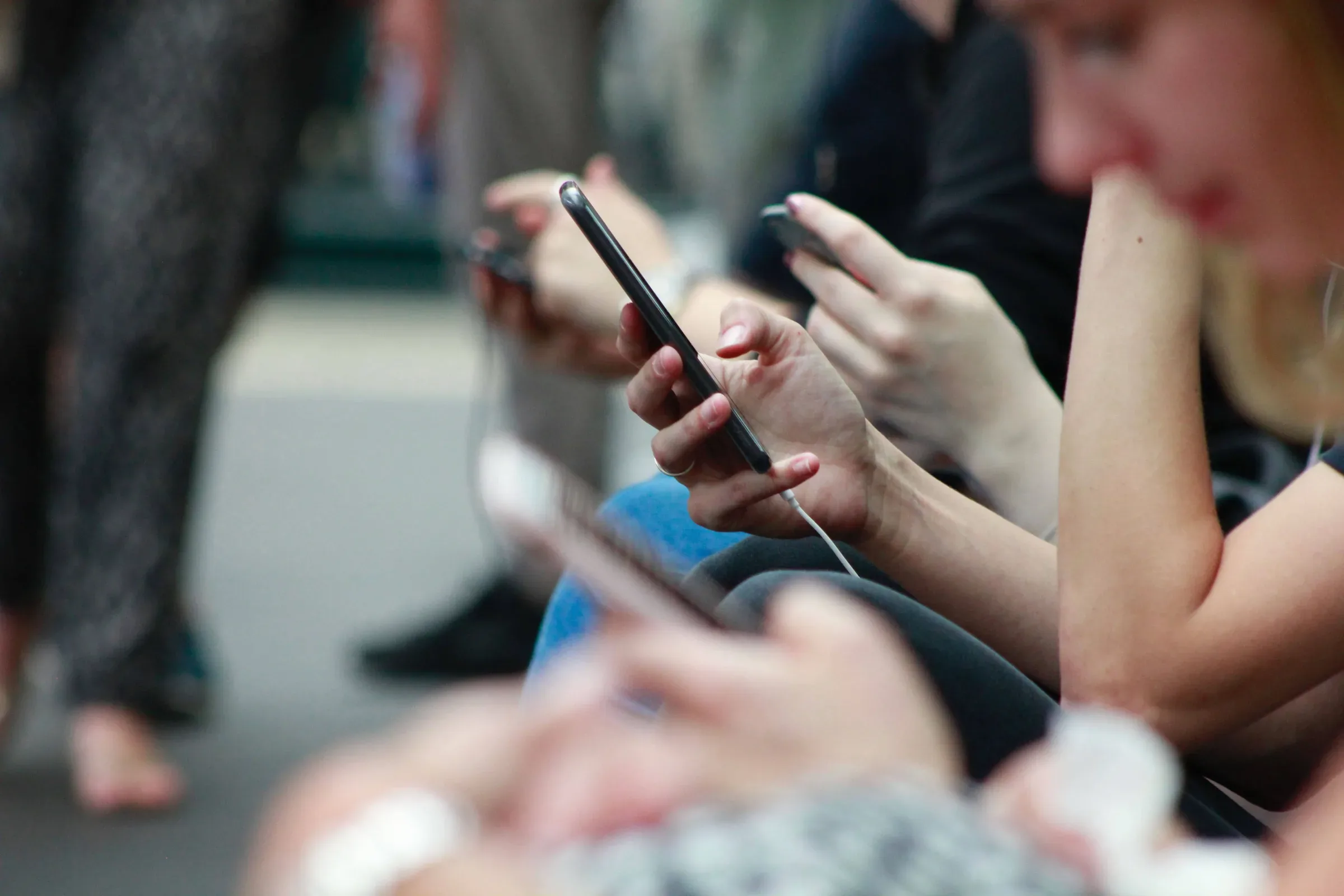
Social media is one of those tools. There's a vast range on offer, spanning every age group. And the most interesting part is that there's no sign of it slowing down. What drives people to use social media? And in a world of constant change, what can we expect? Source: Freepik Instagram's stagnation
Founded in 2010, Instagram launched as a platform for sharing photos and videos taken on mobile devices. That concept, along with the ability for users to comment on posts, led to the platform's rapid rise.
But keeping Instagram free for users comes at a cost. So the platform relies on sponsored ads and funding rounds. It was the acquisition by Facebook (now Meta) in 2012, however, that brought in the most money and the biggest changes to the platform.
Today, Instagram sits alongside Facebook and WhatsApp among the social networks with the highest monthly user numbers. Even so, the number of new users, and their interactions on the platform, are in decline. If Instagram is so popular, why is it losing followers?
Privacy concerns
The Cambridge Analytica scandal shook Facebook to its foundations and sent out shockwaves that are still visible today.
At the time, millions of followers started the #DeleteFacebook movement and left the network. Meanwhile, the company changed its privacy policy in an effort to win back users' trust.
Yet something similar happened again in 2019. Hyp3r, a marketing company trusted by Facebook, was illegally accessing Instagram users' locations and photos to gather personal information.
Facebook acted quickly and cut all ties with Hyp3r to safeguard user data. Instagram still has millions of loyal users today. Even so, many have left the platform to protect their personal information.
Too many ads
The Instagram feed shows posts from family, friends and favourite celebrities, mixed in with paid ads and suggested pages.
For around 74% of users, this gets in the way of seeing the pages they actually care about. For content creators, it makes it harder to produce posts as eye-catching as the ads on display.
As a result, users interact less with the pages and posts they follow.
This shows the effect of a poorer user experience. Users see the constant stream of ads as a way of pushing irrelevant products and services on them, purely to fund the platform.
The algorithm
The algorithm sets the rules for how content is shown to users, deciding what to display and in what order.
It also analyses content and how users interact with posts. That way, the algorithm surfaces the most relevant content based on user preferences.
But the changes made to the algorithm in 2022 left long-standing users unhappy, as they were used to static content. Instagram now favours short videos over photos, in response to TikTok's growing popularity.
On one hand, users struggle to find the photos posted by friends and family; on the other, content creators are pushed into making videos to satisfy the algorithm. For some of these professionals, that means investing in new knowledge, skills and equipment. Instagram or imitation?
The changes to Instagram are designed to attract and retain new users. To do that, the platform has to keep up with what its audience wants.
Recent studies show that attention spans, across every age group, have been shrinking over the years. Among the various causes, researchers point to technology and the fast pace of modern society as the most decisive.
For social networks, this is vital information. That's why Instagram introduced short videos, served up one after another, to keep users on the platform for as long as possible.
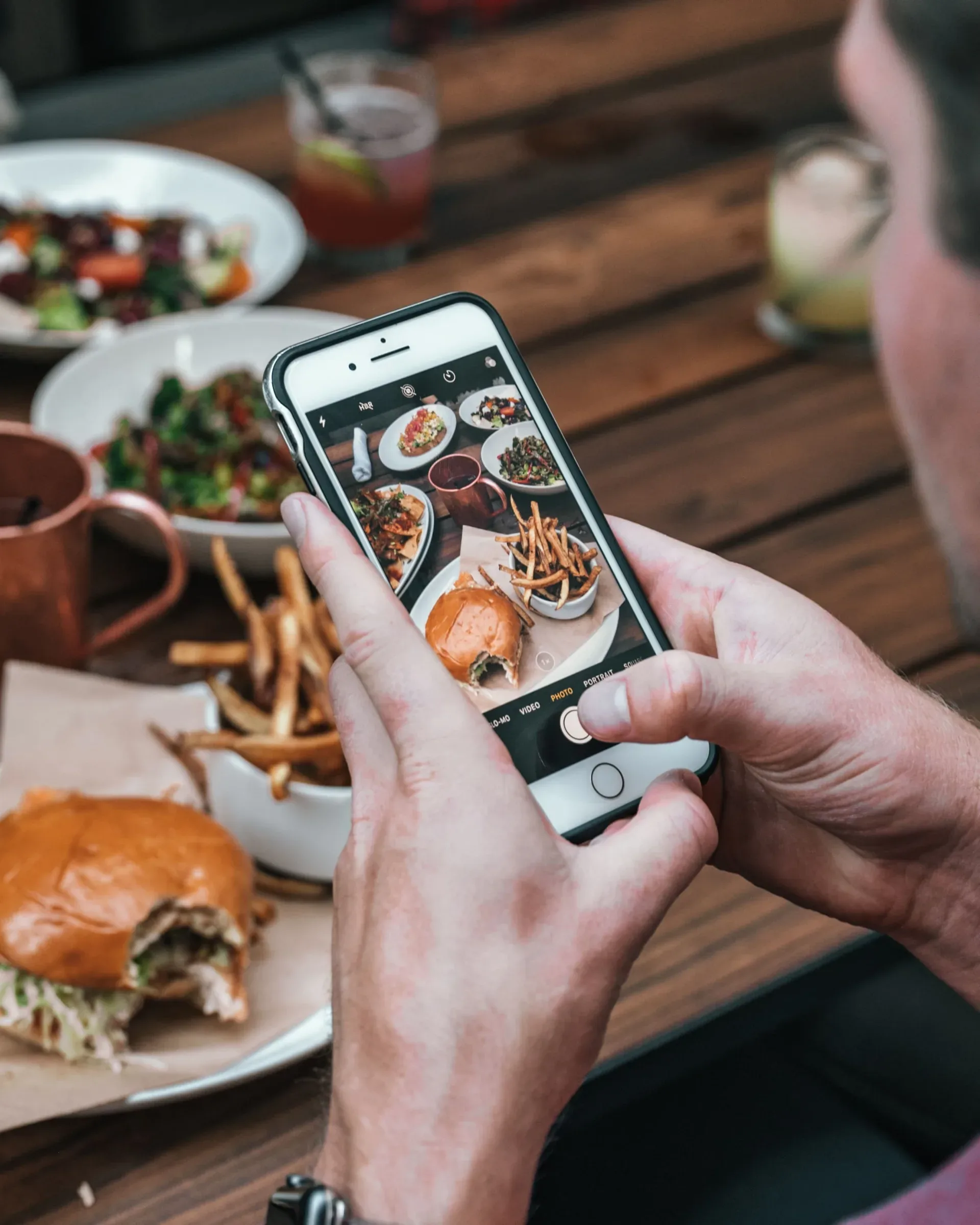
For users, though, Instagram is simply trying to match what other networks have been doing for far longer. In their eyes, it lacks authenticity. Source: Unsplash The rise of other social networks
“It is not the strongest that survives, nor the most intelligent, but the one most adaptable to change,” Darwin would say of the species he studied more than 200 years ago. As well as still ringing true, the idea applies just as well to modern society.
Over the course of the internet's evolution, various social networks have dominated the market only to vanish without a trace. That gap was immediately filled by a new network better suited to how society behaves.
So what's happening in social media today?
The rise of TikTok
TikTok is a social network that has been gaining ground. In fact, it was the most popular app of 2021, beating Instagram by more than 100 million downloads.
Originally, TikTok content consisted of short videos in which users recreated the music and dance videos of their favourite artists. The platform has since grown to include educational content, entertainment and live streams. The technology behind the growth
TikTok's success rests on the artificial intelligence system behind its algorithm. Its job is to assess the quality of each video.
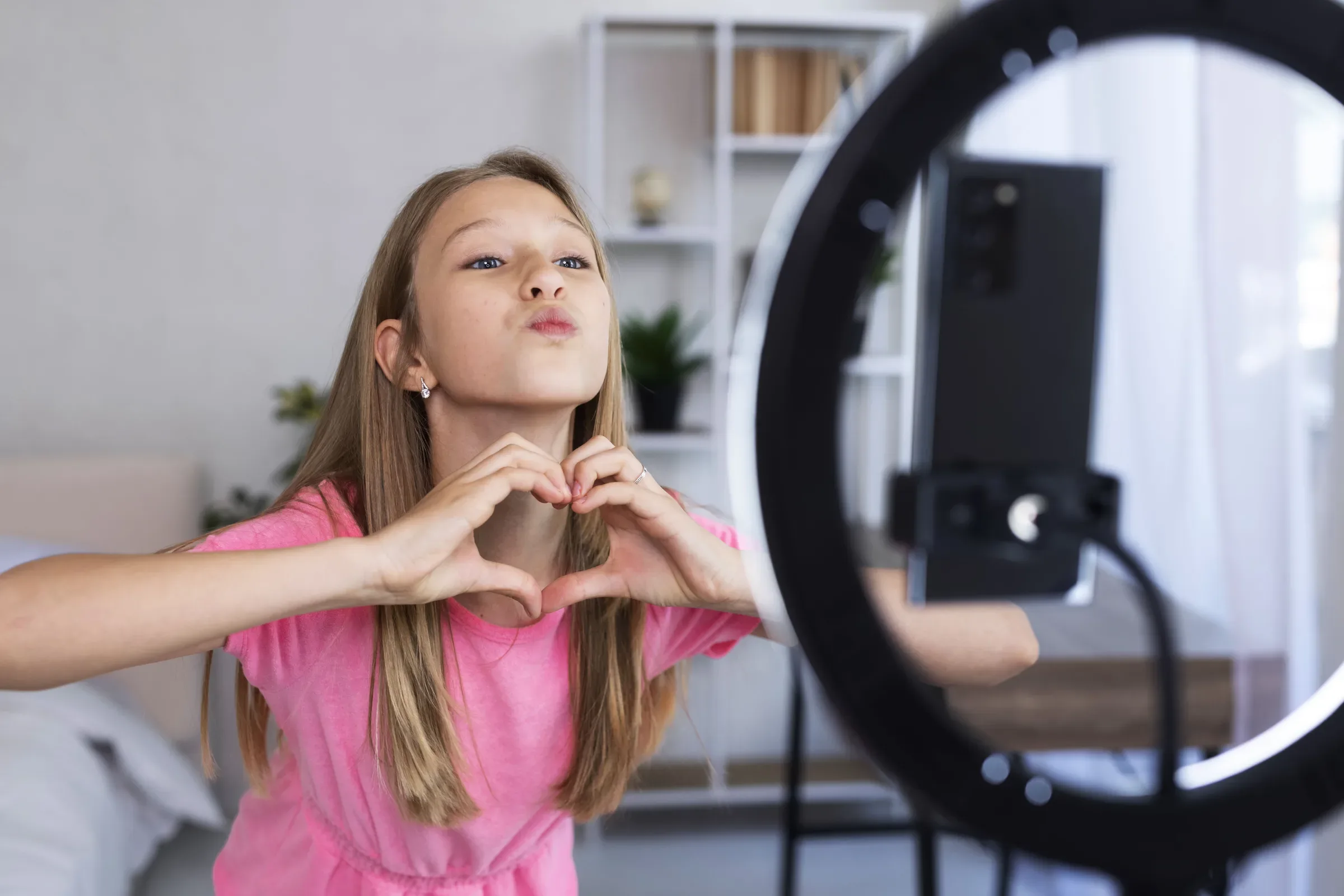
In short, the algorithm calculates the ratio of user interactions with a video and, if it meets expectations, shows it to larger groups. It then organises and serves the videos in a continuous stream, based on user preferences. Source: Freepik Another popular TikTok feature is full-screen mode, which encourages users to engage with the videos they're shown or to skip to the next one quickly, without leaving the app.
Who are the users?
The idea of fast content consumption was quickly taken up by young people born between 1997 and 2012 — Generation Z.
According to a 2018 study, this generation is defined by a need for individual expression. That means they reject stereotypes, are open to change and are more willing to get behind shared causes.
TikTok's popularity, then, comes down to satisfying that desire for expression and personalisation. Here, everyone has the chance to be heard.
On top of that, short videos are easier to take in, prompting users to act. According to a study run by TikTok itself, 92% of users say they share, comment on or follow a video after watching it.
For a generation born and raised in the digital world and now coming of age, TikTok is the main alternative to Instagram. For them, it's a chance to voice their views on social or political issues, or simply to have fun. The (re)birth of Snapchat
In 2011, Snapchat turned the social media world on its head.
“Stories”, content available for just 24 hours, stood in contrast to the permanence of other posts. The concept created a sense of urgency among users, known as “Fear of Missing Out”.
After a period of exponential growth, 2018 became Snapchat's annus horribilis. Source: Freepik The Android version of the app didn't work properly, a new interface went down badly with users, and several top executives left the company. To make matters worse, its main rival Facebook copied “Stories” and rolled the feature out across all its platforms. In no time, Snapchat lost more than 3 million active users.
But just when everyone thought Snapchat was finished, the platform rose from the ashes.
Snapchat's new era
Riding the Gen Z wave, Snapchat became more than an instant messaging platform. The network reinvented itself. Today, it offers younger audiences exactly what they're looking for: an inclusive form of expression, with a focus on augmented reality.
Users can express themselves through inclusive bitmojis, complete with wheelchairs or hearing aids. They can also buy products through augmented reality experiences, share “Stories” with friends or send YouTube links.
These features, combined with an appealing design, are drawing a growing number of users to try Snapchat. Here, they get access to a set of services Instagram doesn't offer.
Vero: the “new” Instagram?
Vero is a social network launched in 2015 that went largely unnoticed for several years.
Its biggest period of growth came in 2018, following the personal data leaks at Facebook and Instagram. At the time, users were looking for alternatives that gave them more control over their own data.
But the volume of new users left Vero struggling to fix technical faults. As a result, new sign-ups stalled. Even so, Vero has gone viral again recently.
The user takes control
The word “Vero”, Latin for “truth”, is the foundation of the platform's concept. Its aim is to be a communication tool that brings people together rather than driving them apart. There are no algorithms here, so it's the user who keeps the feed in chronological order. Source: Unsplash The absence of ads is another highly valued feature. On Vero, the feed is made up exclusively of posts from other users.
Users also have far more control over their privacy. On Vero, you can sort people into close friends, friends, acquaintances or followers, and show each group specific content.
Although it follows a subscription model, Vero currently allows new users to sign up for free. That said, it hasn't ruled out introducing a subscription plan in the future. Who's turning to Vero?
According to the platform's own figures, half of Vero's users are Millennials, the generation born between 1980 and 1995.
Concerns about privacy, the desire for greater control over their posts and frustration with the changes to Instagram's algorithm have brought this audience to Vero. In 2022, Vero has become a safe haven for creators of static content, such as photographers, painters and writers.
What can we expect from social media?
Social media mirrors how modern society behaves. Younger generations prefer dynamic formats, while older ones favour static content. That doesn't make one format better than the other. In truth, they're simply means to an end.
For users, choosing the network they identify with most is a form of self-affirmation and empowerment. In that space of their own, they can express themselves freely. For businesses, meanwhile, it's a chance to meet their target audience where they feel most comfortable, encouraging positive associations with the brand.
Over the coming years, we can expect new social networks to appear and existing ones to change. After all, the world is in constant flux. But one thing stays the same: the desire to communicate and connect with others.
Get what we write
No fixed calendar: only when there is something worth your time.