Subscriptions: the future of social media?
Gabriela Polidoro Lima – UX Designer & Content Writer – Ever since social media appeared more than ten years ago, users have grown used to a standard format: free features for everyone – with a few differences depending on each person's profile – and the possibility of monetisation through their data by creating targeted advertising.
But, according to news published recently, the market is starting to show signs that this format may have its days numbered.
Gabriela Polidoro Lima – UX Designer & Content Writer – Ever since social media appeared more than ten years ago, users have grown used to a standard format: free features for everyone – with a few differences depending on each person's profile – and the possibility of monetisation through their data by creating targeted advertising.
But, according to news published recently, the market is starting to show signs that this format may have its days numbered. Following the example of audio platforms such as Spotify, and streaming services such as Netflix and Disney+, social media is also moving towards offering subscriptions in exchange for exclusive benefits for those willing to pay to stay active.
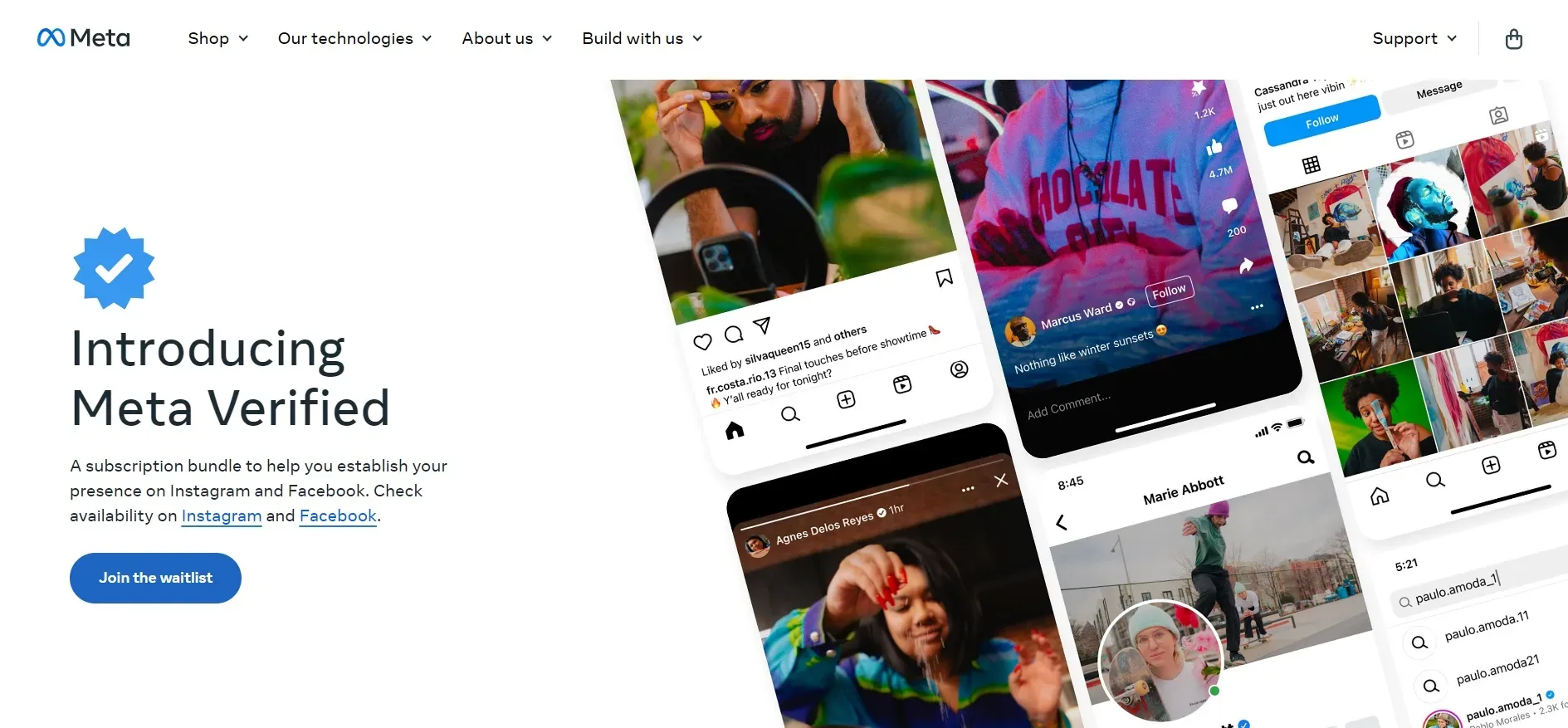
Mark Zuckerberg recently announced on his own Instagram page the arrival of Meta Verified, the version of the platform for users who agree to pay a monthly fee to access exclusive features. The option will be available on both Facebook and Instagram, with separate subscriptions, and the first tests have already begun, starting in New Zealand.
But Meta isn't the only one announcing this. This new way of using social media has become popular in recent years as a way of diversifying businesses that largely depend on advertising. Back in 2022, Mark had already dropped a hint about it when he announced that the Meta Group would invest a billion dollars to help creators generate more income by monetising their content. Snap Inc. has an offering called Snapchat Plus, and Twitter Inc. is also promoting a subscription offering. The news has stirred the tech market and generated a wide range of opinions on the subject.
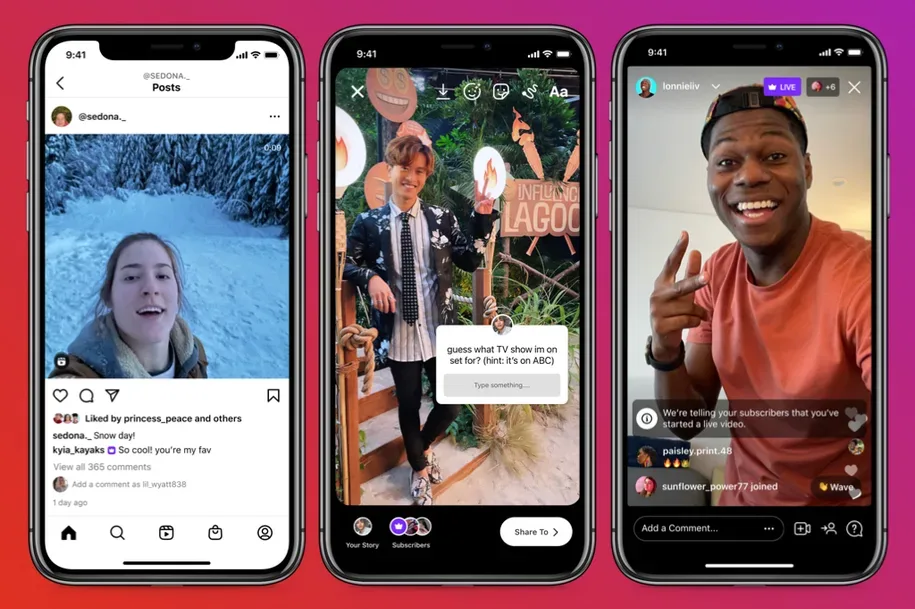
On Instagram, the subscription will be called Instagram Subscription and the concept is fairly simple: subscribers who want to receive exclusive content and support their favourite creators can pay a subscription fee of $0.99 to $9.99 per month. Those who sign up get a small badge that will be visible to the content creator. This technique (identical to YouTube's) lets creators recognise paying subscribers and dedicate more time to them if they wish.
Adam Mosseri, the brand's head, said that “creators do what they do for a living and it's important that this is predictable. Subscriptions are one of the best ways to have a predictable income, one that isn't tied to the reach a given post gets, which will inevitably rise and fall over time“.
For the most visited social network, user retention is a key factor, which is why it needs to adopt ways of making itself more interesting and offering higher-quality content. Having creators who are present, active and committed to producing relevant content helps boost the network's popularity.
As a network that offers various ways to create and share content – photos, videos, reels, stories – Instagram is confident that this subscription format will be a success and will see strong uptake from users.
But how have these companies survived and turned a profit without a subscription model?
Plenty of people will have wondered how these big companies behind the most popular social networks manage to stay active, generate revenue, turn a profit and create multi-billionaire CEOs.
In the original design of these networks the user is the consumer but also the product, because it's the user who generates the content that makes the network appealing. Without users, the network doesn't exist. That relationship creates a formula that's hard to monetise, because if the network needs the user in order to exist, why would the user agree to pay to be there?
One way for these companies to generate profit is by selling user information to other companies and brands that want to open up a dialogue with that audience in order to sell products and build brand loyalty. But to reach those users, companies need information about them, so they can get closer and build a connection. And the way they do that is by collecting the data users leave behind on social media, those little traces or footprints of activity recorded on the platforms: personal tastes, interests — in other words, any and all information the famous algorithm can use to get closer to and connect with each user in a more individual, personalised way.
Enabling sponsored posts and using celebrities and influential people to promote products and brands in a “spontaneous” way are also ways of generating revenue from brands and companies that believe being present on social media is a guaranteed way to sell products and win followers and customers.
After that, the next step looks set to be one of the most common monetisation models online — the subscription — much like various other audio and video platforms. In this format, free access is possible, but some features and benefits are available only to subscribers.
The Swedish app Spotify, for example, lets users listen to music for free, but they still have to listen to adverts from time to time. If they choose to go for the paid version, they get access to features such as skipping tracks, choosing what to listen to next, creating playlists and browsing freely without interruptions. When it comes to collecting user data, in both formats the platform uses listeners' activity information to personalise the service and improve the app, developing new features and fixing problems, including for advertising purposes. In other words, whether you're a paying user or not, your activity data will be used to “feed” and evolve the platform itself.
On the streaming platform Netflix, on the other hand, there's no free tier — you can only access the content if you sign up for one of the subscription plans on offer. Although users can activate and cancel their subscription whenever they like, every time they do so they lose access to all the content. In this case, the user doesn't own Netflix's films and series, much like what happens on other platforms such as Spotify and YouTube.
Facebook itself, back in 2018, had already considered a subscription version with no sponsored posts or advertising of any kind, prioritising only content of interest to the user.
Meta Verified
As for qualifying for Meta Verified on Instagram, it isn't yet available in every country and there are a few prerequisites for signing up:
– Be at least 18 years old;
– Have an individual profile;
– Strictly follow the terms of use and community guidelines – in the event of a violation, the benefits will be disabled;
– Have a public or private profile, be associated with your full name, comply with naming standards and have a profile picture that includes your face;
– Meet minimum activity requirements, such as a history of prior posts;
– Have a government-issued ID that matches the name and photo on your profile, consistent with the real name shown on the profile. Once your profile is verified, you won't be able to change your username, profile name, date of birth or profile picture.
The brand's official platform lists the benefits of the subscription for those who choose to sign up to this new option:
Verification
Help your community know it's really you with a verified badge, which uses a verification process with a government ID to securely establish your account's authenticity.
Proactive account protection
Get protection from impersonation with proactive account monitoring and secure your account with required two-factor authentication. “proactive account protection, access to account support, and increased visibility and reach”, according to Meta, in a statement quoted by EFE.
Exclusive features
Get exclusive stickers on Facebook and Instagram Stories and Facebook Reels, and 100 stars a month on Facebook so you can show your support for other creators.
Direct account support
Get help when you need a real person for common account issues that matter to you.
As for the benefits, SECURITY is one of the most relevant, as it guarantees protection of users' identity and direct access to customer support services. This new feature aims to increase the authenticity of the services, with extra protection against identity theft and fake accounts. Through the subscription, Meta will require users to confirm their identity with an official ID document in order to receive the “verification badge”.
Greater PROFITABILITY is also a benefit sought mainly by content creators, since subscriptions are “one of the best ways” for influencers and creators to have a “predictable income”. Adam Mosseri explains that “subscriptions allow creators to monetise and get closer to their followers through exclusive experiences. Every influencer will be able to know who their premium followers are, through a kind of purple badge that will appear next to the username.”
Beyond security and profitability, VISIBILITY looks like the most valuable benefit, since increasing visibility on social platforms is getting harder and harder these days, even among your own followers. To that end, Meta Verified promises exclusive features so influencers can express themselves in a unique way, gaining more prominence in the “Explore” button, in comments and in recommendations too.
So what does it actually COST to sign up for Meta Verified?
According to the EFE news agency, the subscription will cost 11.18 euros (11.99 dollars) a month, or 13.98 euros (14.99 dollars) if bought through the iOS app, and it's aimed above all at content creators.
Consumers will pay more for the convenience of an increasingly online experience that can extend to mobility.
Once you understand how the subscription format works, you can conclude that this process amounts to a commitment established between company/platform and user, not merely the creation of an account. It involves payment, exchange of information and permissions that create a much stronger bond between the parties. Cancelling a subscription can be far more time-consuming than simply deleting a social media account.
Is this the inevitable future of social media?
Considering that users around the world are already used to this kind of consumption format with Spotify and streaming services such as Netflix, HBO, Amazon Prime and Disney Plus, it really does look like a natural path for social media as well. It's a fact that these platforms aren't social networks, but they were the first to offer special terms and services to subscribers, establishing that users are indeed willing to pay to get advantages and benefits, or even just to avoid being bothered by adverts and interruptions during their leisure and entertainment time.
Even LinkedIn — the network focused on professional contacts, owned by Microsoft, with 722 million users and record revenues announced this month — already offers a premium subscription that promises benefits to grow your networking and improve your chances of landing the right job opportunity.
Could this be a trend that spreads to more sectors, such as retail and food? Will this model stop being an idea and become the new normal in the near future? What can we expect for the future of social media? Given the speed and dynamism with which this digital universe evolves, we'll know very soon! JTNDZGl2JTIwY2xhc3MlM0QlMjJmYi1jb21tZW50cyUyMiUyMGRhdGEtaHJlZiUzRCUyMmh0dHBzJTNBJTJGJTJGd3d3LmplbGx5Y29kZS5wdCUyRnRlY25vbG9naWElMkZhLXZvei1uby1jb21hbmRvLWRvLWZ1dHVyby1kYS10ZWNub2xvZ2lhJTJGJTIyJTIwZGF0YS13aWR0aCUzRCUyMjEwMCUyNSUyMiUyMGRhdGEtbnVtcG9zdHMlM0QlMjIxMCUyMiUzRSUzQyUyRmRpdiUzRQ==

Get what we write
No fixed calendar: only when there is something worth your time.