2021: Digital marketing trends

Marta Peral Ribeiro – Communications Consultant –
“Ignoring online marketing is like opening a business but not telling anyone.”
— KB Marketing Agency
In this article we look at some of the main digital marketing trends for this year, grouped into 4 broad areas that complement one another: focus on the customer, focus on digital platforms, social and environmental responsibility, and the use of Voice alongside Artificial Intelligence.
Marta Peral Ribeiro – Communications Consultant –
“Ignoring online marketing is like opening a business but not telling anyone.”
— KB Marketing Agency
In this article we look at some of the main digital marketing trends for this year, grouped into 4 broad areas that complement one another: focus on the customer, focus on digital platforms, social and environmental responsibility, and the use of Voice alongside Artificial Intelligence.
1. Focus on the customer
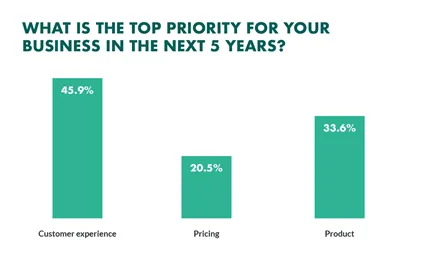
E-commerce that improves the customer experience
In 2020 e-commerce grew more than it had over the previous 5 years combined:
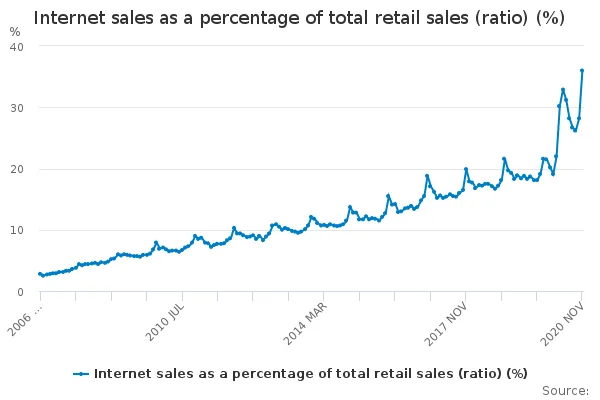
This growth comes down to two things:
- Products shifting to digital channels, as a direct result of shoppers being unable to buy them in the usual physical spaces;
- The steady improvement in user experience.
As a result, we've all noticed the technology brought in to keep us safe: MB Way as the preferred payment method, restaurants and cafés taking orders online, free delivery on online purchases in many cases, click & collect, and so on.
In other words, e-commerce solutions built around the customer experience are the lifeblood of the business. That obviously assumes the product or service exists online and that the company has staked out its place in the digital world.
The push into e-commerce is so strong that, in step with consumers spending time on social media, the platforms have built features that let brands grow their business straight from their profiles.
Who is your customer?
Mapping out your customers' personalities is essential to understanding your target audience, so you can anticipate what they like and meet their needs.
On top of that, analysing consumer behaviour can reveal your business's true persona: are these people outgoing or introverted? Empathetic and cooperative, or more individualistic? Anxious or calm? Considered or impulsive?
There's no question that, given the sheer volume of user data available through the digital platforms they use, marketers have a much easier job of this today.
Interaction on social media
When human connection was no longer possible out there, we went looking for it online.
In 2020, many companies reinvented themselves by engaging with their customers through social media.
This year, brands can go further and become influencers within the virtual community — especially when the hosts are the brand's own representatives.
Even with a degree of fatigue around digital gatherings, if the content is interesting and the team is aligned with each other and with the guests, it will draw an audience.
Lives
Happening in real time, this format works well for webinars, talks and interviews.
The most common channels for this are Facebook Live and Instagram Live, but YouTube, Twitter and, more recently, LinkedIn have also been exploring the tool.
Conversations
Through public debates on digital platforms, companies connect with their community, leading conversations about politics, culture, sustainability, racism, marketing or education.
Twitter is one of the networks with the highest levels of community engagement, since the interactions unfold as news and controversial topics break around the world.
2. Focus on digital platforms
Building on that last point: where do people go to find out about brands, products and services? Social media and brand websites. So it really is worth investing in digital channels and making them stand out from the crowd:
Videos
Whether polished or spontaneous, this short, creative content can serve several purposes: to entertain, advertise, educate or inform.
Most digital platforms already make use of it, and apps such as Facebook, Instagram (Reels) and TikTok are widely known for using it on a massive scale.
UGC and Influencer Marketing
User Generated Content is any kind of content (videos, photos, images, reviews or comments) produced by any user, mentioning the products or brands they use.
That content is then shared by the brands themselves, for example through stories or challenges launched on TikTok or Twitter.
Because it's produced by a user rather than a brand, it feels more authentic and acts as social proof for other consumers. That makes it highly effective marketing, as it shows brands who their market segments really are.
Digital micro-influencers are a case in point: with between 5,000 and 20,000 followers on social media and generating plenty of hashtags, they achieve higher engagement and conversion rates.
Interactive content
Interactive elements on digital platforms are very appealing to users. Who can resist an infographic, a quick game, a quiz or some other small challenge?
3. Social and environmental responsibility
Today's consumers base their behaviour, and ultimately their purchase decisions, on the impact brands have on people and the planet.
Gen Z in particular, and Millennials too, will favour companies that make social and environmental commitments, stand up for them and champion them. Some things to explore:
An inclusive attitude
- Value your employees with initiatives that benefit them;
- Cultivate an inclusive attitude within the team;
- Set out the brand's principles in an open letter (on racism, acts of violence, and other causes or events);
- Involve the community through lives that raise awareness of social issues;
- Create podcasts debating current social affairs;
- Build partnerships with organisations that share the same values;
- Run charitable initiatives and share the results.
Green marketing
- Create more environmentally friendly products;
- Share practical information about the sustainability of your products and services;
- Post visually appealing healthy-lifestyle content on social media (Pinterest, Instagram, etc.);
- Show the progress the company is making on its environmental commitments;
- Donate a percentage of company profits to support environmental projects.
4. Use of Voice and AI
Voice search
On YouTube or in search engines, for example, users often choose to search by voice — simply pressing the microphone button in the search bar.
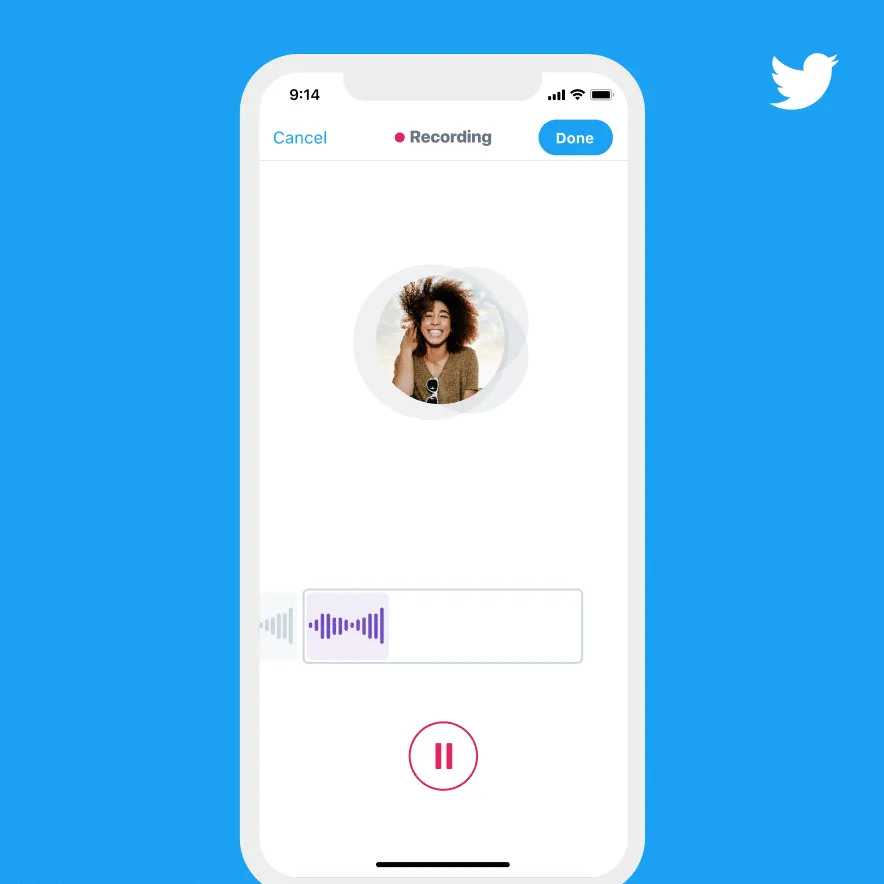
Twitter recently picked up on this trend and launched a new feature: the voice tweet. The user records a voice message, which is then turned into written content and appears in the feed like any other tweet. The aim? “To create a more human experience for listeners and storytellers.”
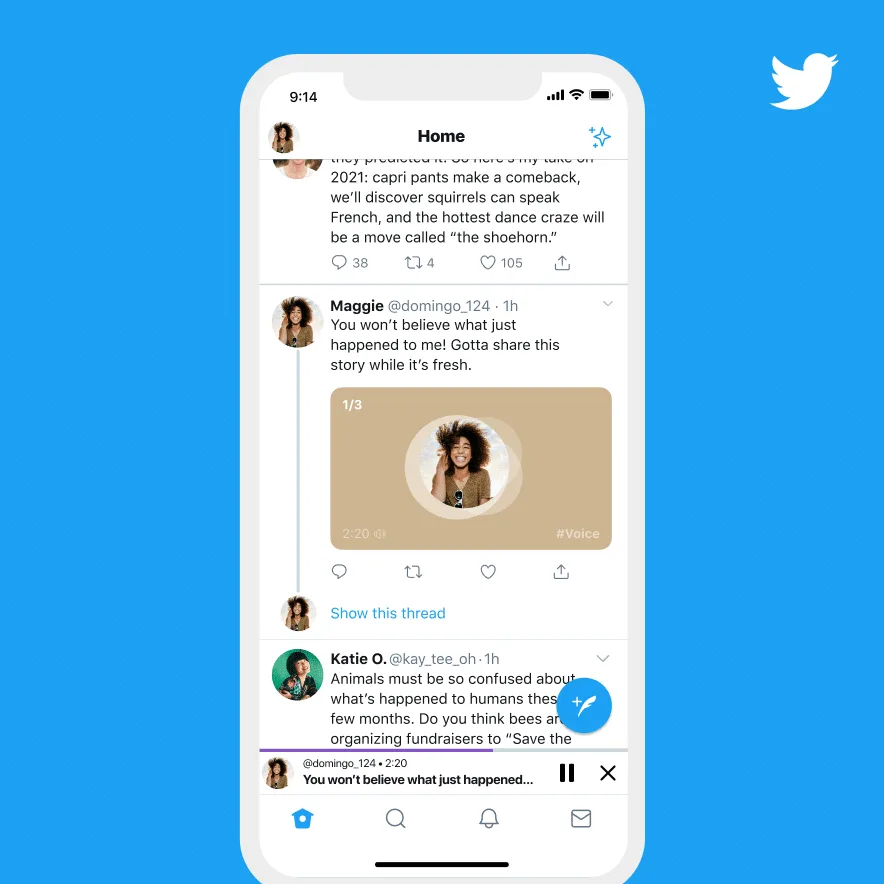
So, just as the communications team optimises written content for SEO, it should also optimise content for voice search, pushing the company to the top of the results.
Podcasts
These audio publications are growing ever more popular, because listeners are free to get on with other things while listening to the episodes they enjoy.
Podcast listeners can also be directed to other channels the brand uses, such as a Facebook community.
So as well as engaging an audience, podcasts make it easier for people with shared interests to connect.
Artificial intelligence (AI) in everyday life
Siri, Alexa and Google Home are a few examples of virtual assistants that take spoken commands or questions and can simplify basic tasks: providing information, activating the user's other devices and apps, or turning on the bedroom light.
With the growing trend of «talking» to our devices because they speed up certain everyday tasks, it's easy to see why setting up digital platforms with Voice technology matters.
Chatbots
When we open some websites these days, we're met by a virtual assistant that uses artificial intelligence to welcome us and offer help via chat.
Designed to make life easier for the user, this kind of robot allows you to:
- Run the business not only remotely but at hours that wouldn't suit many customers;
- Speed up the resolution of simple problems, reducing the workload for customer support staff;
- Cut costs for the company in the long run;
- Generate leads, increasing the likelihood of converting more customers.

Get what we write
No fixed calendar: only when there is something worth your time.