Augmented Reality and Marketing: immersive experiences working for brands
Sandra Caravana – Copywriter –
Augmented reality makes it possible to layer digital information onto physical reality, creating immersive, interactive experiences that can turn communications and marketing into something creative and personalised for customers.
Sandra Caravana – Copywriter –
Augmented reality makes it possible to layer digital information onto physical reality, creating immersive, interactive experiences that can turn communications and marketing into something creative and personalised for customers.
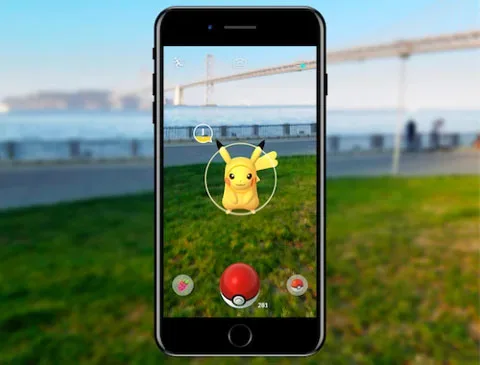
Augmented Reality (AR) is a technology that combines virtual elements with the real world, creating a unique, immersive experience for users. Using devices such as smartphones, tablets and special glasses, AR overlays digital information onto the physical environment, enriching what the user perceives and offering new ways to interact with the world around them. From its conception in 1992 by Thomas P. Caudell to its popularisation with the game Pokémon GO in 2016, AR has proved a powerful tool — not only for entertainment, but also across fields such as healthcare, education and marketing, transforming the way we experience reality and consume information.
Different applications and uses of Augmented Reality
Augmented Reality has been expanding rapidly, with innovative applications across a range of fields.
Healthcare: clinicians use tablets or holographic glasses to view organs in 3D or check a patient's history before or during surgery, improving the precision of procedures.
Education: children and young people use notebooks with special markers that display 3D images when viewed through mobile devices, making learning more engaging.
Cars: manufacturers let customers view and customise their future vehicles in 3D, adapting them to their tastes and needs.
Architecture: companies use AR so that clients can see in real time how their homes will look once building work is finished, or how new furniture will sit with the existing décor.
Tourism and Culture: interactive museums, such as the one recently opened in Washington, use AR to enrich the visitor experience, with exhibits that come to life through mobile devices.
Travel: tools that let you photograph text in any language and get instant translations, making communication easier when travelling abroad. Google Maps also has a feature called “Live View”, which lets users see their chosen routes in augmented reality.
Security and Identification: services that recognise faces and show the associated social media profiles, improving security and identification across a range of applications. AR and Marketing: the next step. AR is reshaping the marketing landscape, giving brands an innovative and compelling way to connect with consumers. By layering digital elements onto physical reality, AR creates immersive, interactive experiences through devices such as smartphones, tablets and AR glasses. The technology not only increases customer engagement, it also opens up opportunities for differentiation, loyalty and real-time data analysis. With that in mind, we look at how AR is revolutionising marketing across a range of disciplines, giving brands a unique way to build memorable campaigns and lasting relationships with customers.
In retail Companies such as IKEA let customers see furniture in their own homes through AR apps, making the purchase decision easier. Amazon, likewise, has developed an AR mirror that lets shoppers try clothes on virtually. AR therefore brings the physical and digital sales worlds together to streamline the customer's decision-making process.
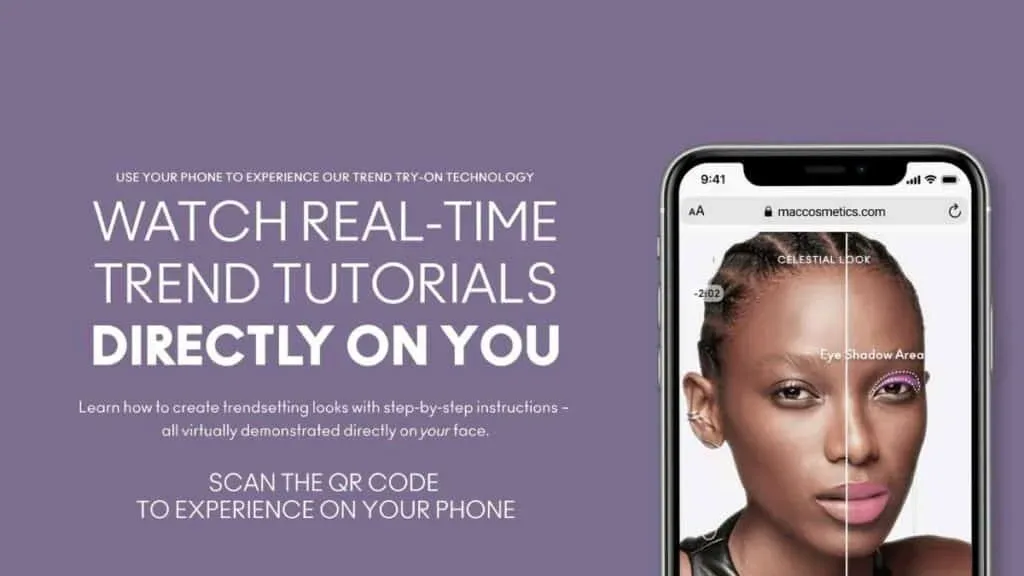
On social media AR also plays an important role on social media, where it is used to create interactive experiences that boost engagement and brand visibility. Platforms such as Instagram and Snapchat led the way with AR filters, allowing users to virtually try products such as make-up and clothing. MAC Cosmetics, for example, launched a virtual try-on tool that lets customers test different make-up shades without leaving home. It became especially popular during the pandemic, helping the brand maintain its relationship with customers even at a distance. These are known as virtual try-ons. The benefits of AR in marketing Customer experience: AR improves the customer experience by letting people interact with products virtually. That interaction can help consumers make better-informed purchase decisions. Personalisation: AR makes personalised service possible. Companies such as Maybelline have launched apps that simulate how nail polish colours would look on users' nails. This not only improves the shopping experience, it also cuts the cost of producing and shipping samples. Loyalty: L'Oréal uses AR to show consumers the results they could get from using its cosmetics. Brand visibility and differentiation: AR can set a brand apart from the competition, making it look more innovative and appealing to consumers. Campaigns such as Pepsi's, which used AR at bus shelters to create surprising experiences, show how the technology can generate buzz and strengthen a brand. Examples of AR in marketing
Nike used holograms in Amsterdam to launch the Nike Free 5.0 trainer. A transparent glass space displayed a 3D hologram of the product, visible from any angle. The campaign stood out for its innovation and its ability to grab public attention.
LEGO brought the real and virtual worlds together with its Lego Fusion range. Users can bring their physical creations into the virtual world through dedicated apps, building a virtual city and interactive characters.
With CIN COLORiT you can use real photographs of your home to see how your favourite colours would look on the walls, making it easier to choose the perfect shade for your space.
Treasury Wine Estates uses AR to tell stories through the labels on its wine bottles. With AR, customers can discover new characters and story elements on different bottles, encouraging them to try a range of wines while the company benefits from higher sales. How does AR work?
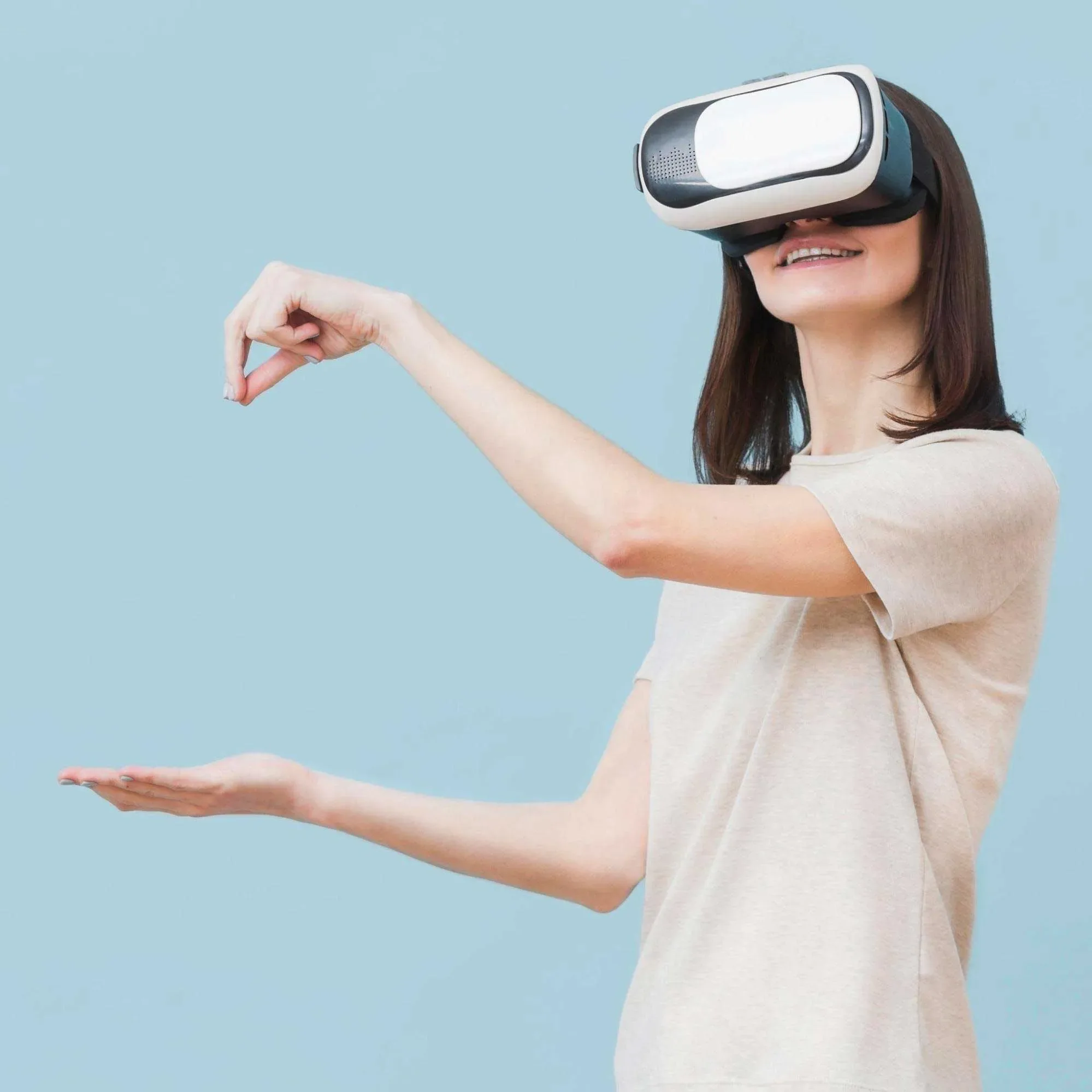
Marker-based AR:
- Requires an object such as a QR code, image or graphic to be scanned and identified. QR codes can be used to build AR elements into physical advertising. By scanning a QR code, users can see digital elements overlaid on the real environment, such as mascots or interactive maps.
Location- or position-based AR:
- Uses GPS, compass, gyroscope and accelerometer to determine the device's location. The AR content varies according to the area the device is in.
Projection-based AR:
- AR objects are visible through synthetic light projected onto physical surfaces. It allows interaction between the user and the object, much like the holograms in science fiction films.
Superimposition-based AR:
- Replaces the original view with a new one that includes virtual objects. Object recognition and the associated data play a key role here. The IKEA catalogue app lets users see virtual items in their own homes.
Beyond direct-to-consumer marketing aimed at making a sale, AR can also be used to train marketing and sales professionals, making it easier to communicate complex information.
Augmented Reality is revolutionising marketing by giving brands new ways to interact with consumers, making communication more dynamic and more impactful. Its ability to deliver personalised, immersive experiences makes AR an indispensable tool in any modern marketing strategy.

Get what we write
No fixed calendar: only when there is something worth your time.