Communication for Generation Z: how to use digital to capture the attention of digital natives?

Sandra Caravana – Copywriter –
Born from 1995 through to the early 2010s and raised in a world surrounded by technology, Generation Z is highly demanding. How can brands meet this generation's expectations?
There's no way of reaching Generation Z without digital. But best practices and tools vary, and even though this is a generation that notices everything, not everything goes.
Sandra Caravana – Copywriter –
At first glance, multichannel and omnichannel may look similar and be treated as synonyms, but they aren't.
In this article, I explain the difference between them, the benefits and challenges of each, and how to build and implement a strategy based on both concepts. Generation Z: the last of the alphabet?
Generation Z will take centre stage within a few decades. They arrived with a tablet under their arm and are a group of people shaped by the internet.
As a consequence of the digital world, young people from Generation Z like to have everything instantly: there's no room for queues or games of patience.
They're characterised as multitaskers, independent and demanding consumers. Some say their professions don't even exist yet. Source: Freepik. Generation Z is characterised by being:
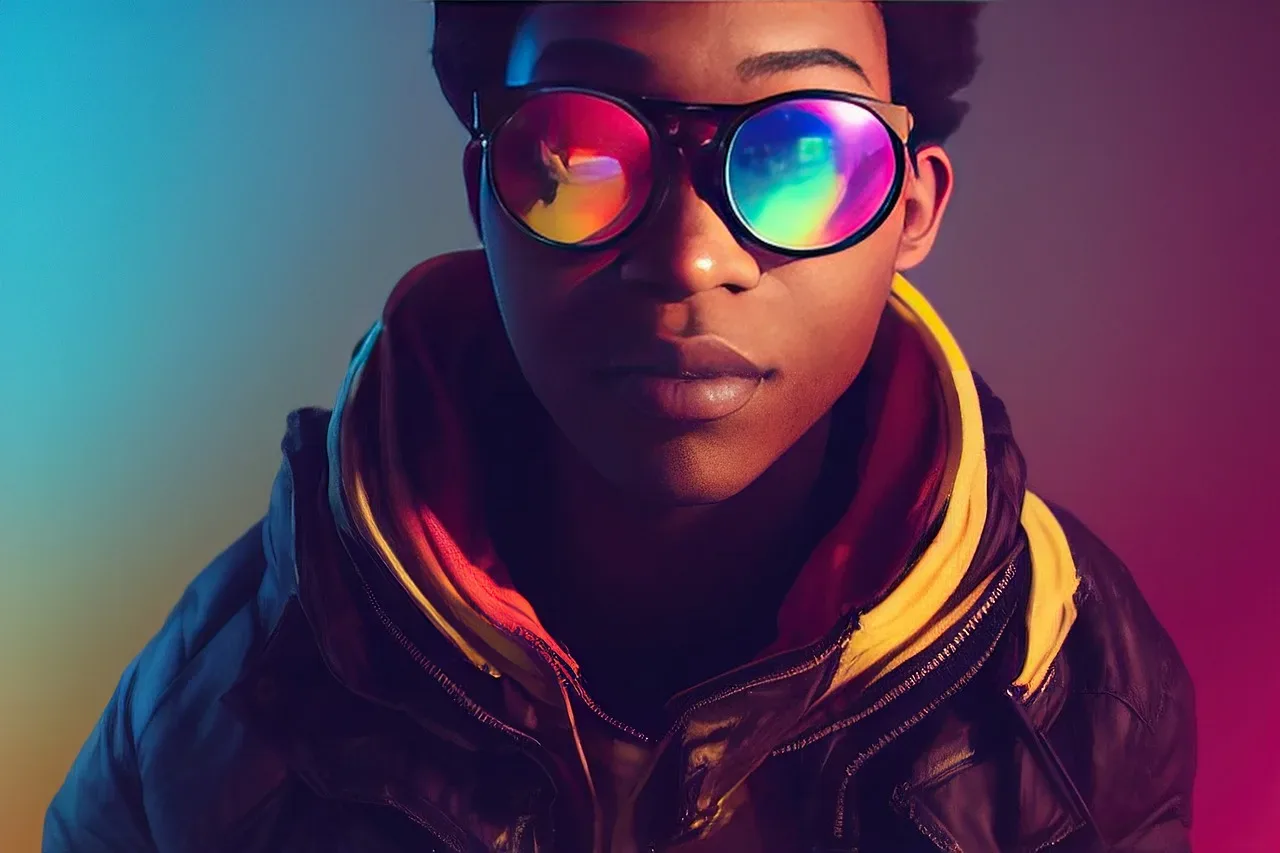
- Demanding: they don't believe everything they see or hear and they expect brands to be transparent and truthful;
- Influential: they're very active on social media and their opinions can influence other people. They like reviews and opinions;
- Connected: they're always connected, whether via smartphone, computer or tablet. Brands that want to communicate with this generation need to be present across every digital channel.
A study by Kantar Ibope Media shows that while people from other generations browse for an average of 5 hours and 26 minutes a day, Generation Z spends roughly 6 hours and 45 minutes online, across different devices. Their favourite is the smartphone: 98% use mobile phones, while 37% use a laptop to consume content online.
How has the internet shaped this generation?
The trick is to reach the masses: through newspapers, radio, television and the internet. Perfect channels for news, they became increasingly attractive to the advertising world. Having an ad running on TV was (and is) an investment only some brands can make. Until the internet changed the game: advertising online requires significantly less investment and offers infinitely more tracking than TV. In other words, brands realised that with this investment they can reach more people (or the people who really matter — the possibility of segmentation) and understand how they react to a given product.
A study from the Status of Social Commerce Report revealed that 97% of respondents say social media is their main method for researching purchase options.
The WWW for Generation Z
For both advertising and entertainment, Generation Z grew up in this on-demand world: the ability to consume content whenever they want. Source: Freepik. Expressions like “rewind” and “skip ad” are a result of these consumers, which led to the distinction between free and premium platforms, where, as a rule, the difference is whether or not you see the ads. Which means that to stay close to Generation Z, brands need to strike a balance between:

- Always being digitally present;
- Not creating content just to be present.
Generation Z doesn't go along with communication that lacks purpose or relevance and tries to impose its presence without consent — like that scene in some soap opera where the character is in the dining room holding a bottle of Brand X shampoo, telling the aunt who arrived from Luxembourg that day all about washing her hair with that fragrance.
From YouTube to podcasts
Any platform whose content doesn't require the target audience to be there live is welcome. The most listened-to podcast on Spotify in 2023 is a radio slot that airs Monday to Friday at 8.15am.
Comedians have gone from YouTube to filling Portugal's biggest venues.
According to 2023 data from Insider Intelligence, Generation Z's favourite channel for consuming content is YouTube, with 86% of individuals surveyed present on that social network, followed by TikTok with almost 74%.
Pedro Ribeiro, director of Rádio Comercial, talks in an interview with Bernardo Serrão, on his podcast Geração 70, about the challenges facing radio. Making radio more digital is one of his goals, so it doesn't fade away over time, across generations and in its enormous purpose. That's why some broadcasts today are recorded and made available on the YouTube channel.
And the content?
“Deloitte's Global Marketing Trends 2022 research found that 94% of consumers aged between 18 and 25 want companies to address social issues, and that 57% of them are loyal to companies that care about those issues.” — Source: Meio e Mensagem
Brands like Airbnb invest more in branding than in performance ads, which are traditionally geared towards sales and leads. There's no need to explain to Generation Z the difference between communicating features and communicating benefits, because this generation will always choose the second option. Source: iPod ad, 2021. How to use the digital world to attract Generation Z?
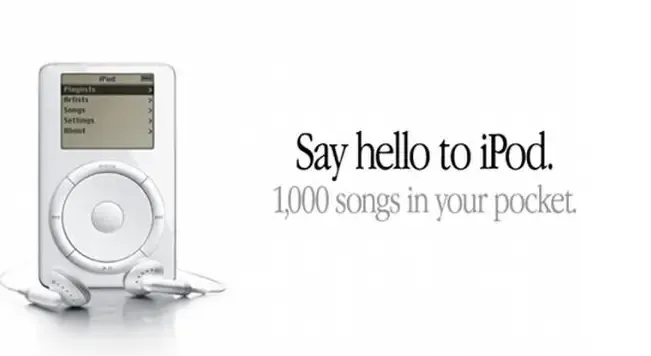
By creating relevant content, and being social and authentic.
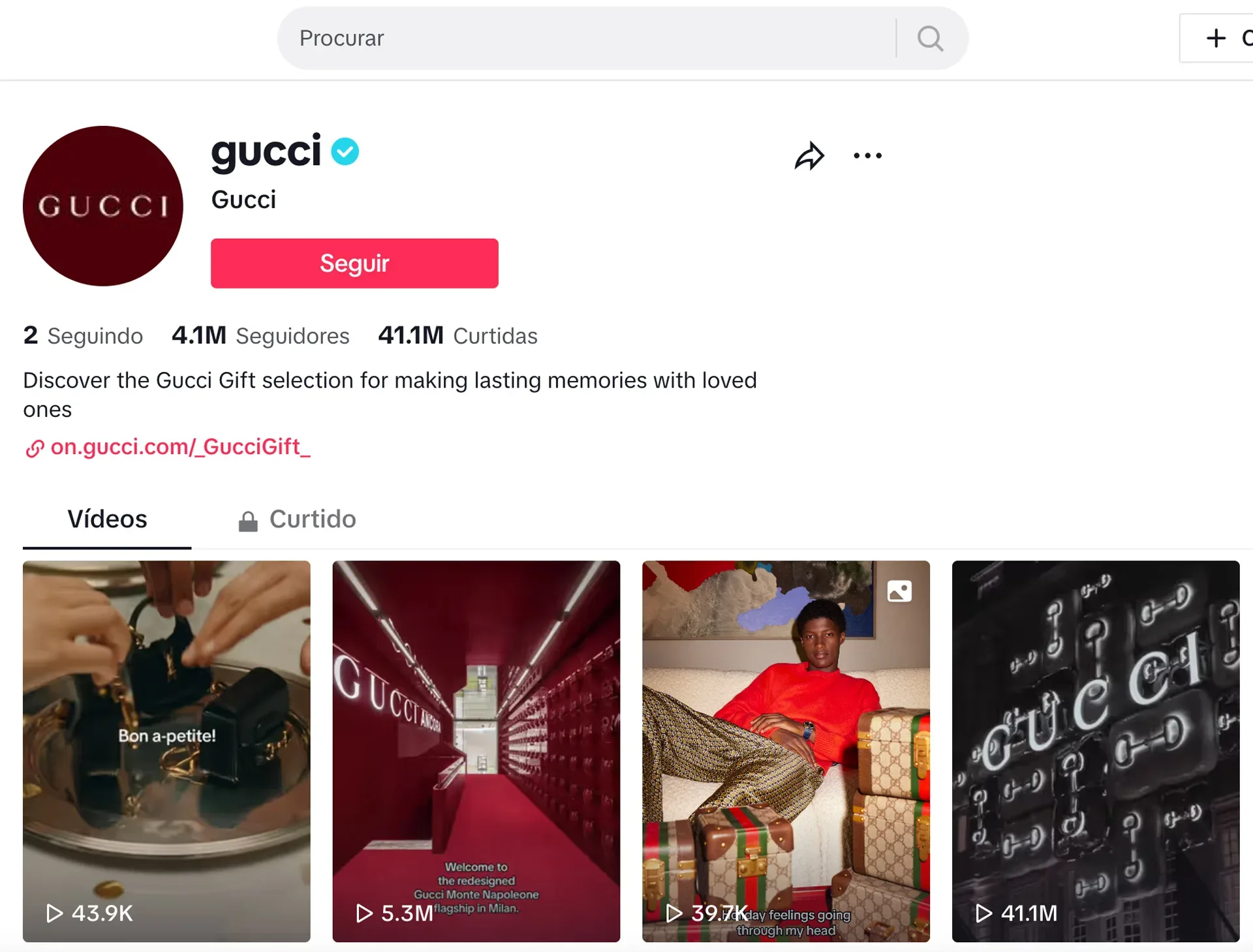
To stay active, many luxury and premium brands have switched on their cooler side by setting up a TikTok account. With the right strategy, brands like Gucci show it's possible to use social media to the brand's advantage, never losing their voice but shifting to a younger tone. Source: Gucci's TikTok. Known for its logo and its slogan, Nike has got us used to its ads against racism and in favour of inclusivity. In a fiercely competitive market, it stands out with Generation Z by using storytelling on its social channels, trying to inspire everyone, of all ages. Find Your Greatness is a collection of several success stories, achieved despite the difficulties. And those successes can be small wins, like simply starting — exactly the message the slogan Just Do It is meant to convey. Plenty of marketing students use this brand for their final dissertations.
According to Sofia Alves, head of digital and data at Dentsu, Generation Z is a “generation that demands a lot from brands and demands that brands don't just say they are something, but show it. It's a generation that holds brands to account for what they commit to doing and for what they say they are”.
UGC from Generation Z
Inês Mendes da Silva, CEO of Notable, says this is a generation that looks for reviews, authenticity, transparency and a purpose. Many brands have invested in certified review and opinion platforms. Portugal has already passed €20 million in influencer investment, according to a study by Primetag with H2H – Human To Human (H2H), an influencer marketing agency in Spain.
Generation Z has brought new concepts such as UGC — content generated by the consumer themselves — which previous generations saw as omnichannel. Opinions, unboxings, videos, blog posts — everything that can be done with brand content. Every product lends itself to multiple opinions and uses. A song isn't just a song we listen to on Spotify: there's the video on YouTube, the launch teaser on Instagram, there are covers, snippets of lyrics in stories, the song shared in posts.
What content formats does Generation Z consume most?
- Short videos: they should be under a minute and offer quick entertainment;
- Memes — humorous images are also appealing to Generation Z. They can be used even by brands with a more serious voice, whenever there's an opportunity for a playful tone;
- Infographics — visual and easy to interpret;
- Podcasts;
- Blog posts — informative and interesting, they matter for SEO and for humanisation: they show the brand has something to give, beyond the product it sells.
If your post manages to include an action (or interaction, engagement or connection), it will get the full attention of your Generation Z audience:
- Polls: for Generation Z, their opinion and other people's opinions matter a great deal;
- Quizzes: there's always a fun way to learn;
- Lives — live content, and even better if it stays recorded;
- Stories: a brand's positioning depends on its story. Generation Z wants to know the beginning, where the idea came from, what the purpose is, why that slogan and what the creative process behind that logo was.
Brands that want to be relevant to this generation — and to the next ones — will only succeed by investing in meaningful, strategic content. It's getting harder and harder for a brand to leave its mark.

Get what we write
No fixed calendar: only when there is something worth your time.