Consumer Psychology: How Black Friday Shapes Consumer Behaviour Online
Jelly – Digital Agency
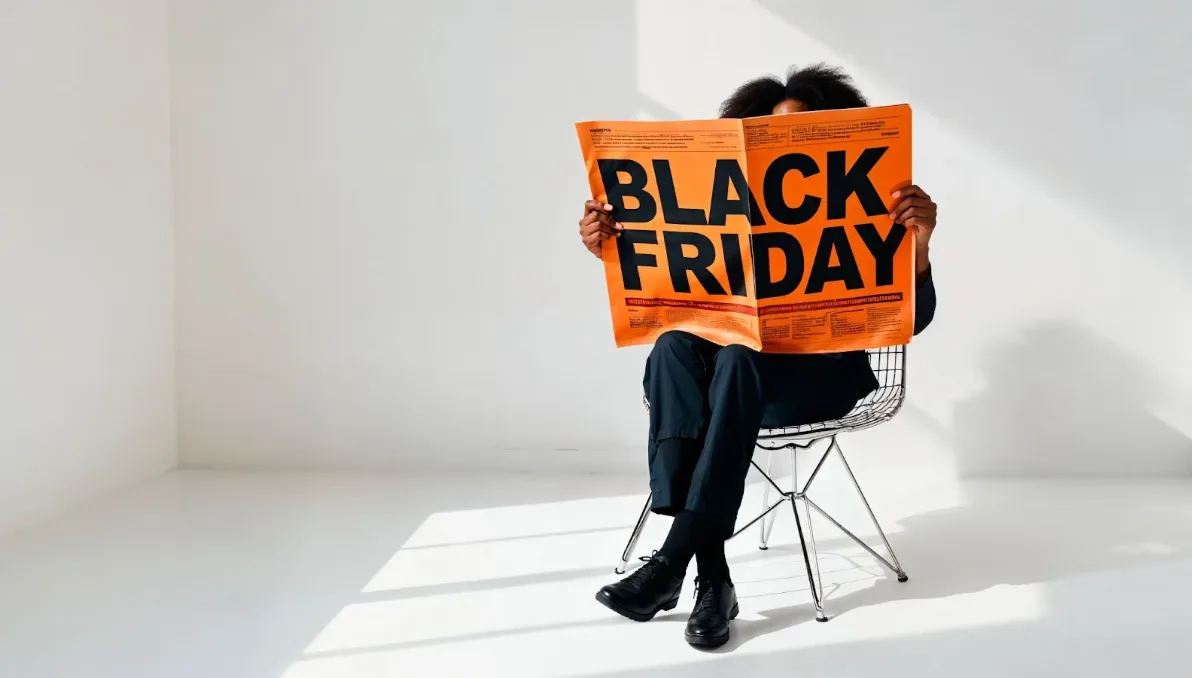
Black Friday is one of the biggest shopping events in the world, defined by aggressive discounts that spark a genuine buying frenzy.
Online, this trend is even more pronounced, thanks to the convenience of digital shopping and heavy marketing campaigns. But what makes consumers throw themselves into this phenomenon so wholeheartedly? In this article, we look at the psychology behind Black Friday spending and how the digital environment shapes that behaviour.
1. What Black Friday is and why it matters in digital retail
Black Friday started in the United States and is now a global phenomenon. It falls on the last Friday of November and is widely seen as the start of the Christmas shopping season. In Portugal, the event has taken off in digital retail, where hefty discounts draw in more and more shoppers.
For many businesses, particularly in e-commerce, Black Friday sales account for a sizeable chunk of annual turnover. The combination of low prices, digital convenience and creative advertising campaigns makes this event fertile ground for studying consumer behaviour.
2. Consumer psychology: why do we buy?
Buying behaviour is driven by a mix of emotional, cognitive and social factors. During Black Friday, these factors are amplified, often resulting in impulsive purchase decisions. The main drivers include:
- Emotions: buying something you want releases dopamine, a chemical linked to pleasure.
- Social norms: Black Friday is a cultural event that creates a sense of belonging.
- Instant gratification: shoppers are drawn to immediate rewards, such as limited-time offers.
3. FOMO (Fear of Missing Out) and its impact on purchase decisions
FOMO, or the fear of missing out, is a psychological phenomenon that pushes consumers to act fast for fear of losing a one-off opportunity. This feeling is heightened during Black Friday by messages such as “last items available” or “offer ends soon”.
The urgency created by FOMO encourages snap decisions, often without any rational analysis.
4. Psychological triggers used on Black Friday
Black Friday marketing strategies rely on proven psychological triggers, such as:
- Scarcity: “Only 2 units left.”
- Urgency: “Discount valid until 11.59pm.”
- Social proof: “Thousands of people have already bought this product.”
These messages create a pressurised environment that pushes shoppers into quick decisions.
5. How the digital environment intensifies spending
The digital environment multiplies the opportunities to spend, making shopping easier and more convenient. Shoppers can browse dozens of stores in minutes, all while being constantly exposed to ads and psychological triggers.
On top of that, digital tools allow for highly targeted campaigns, making marketing strategies far more effective.
6. How algorithms shape buying behaviour
Algorithms are key to personalising the shopping experience. Platforms such as Facebook and Google track users’ online behaviour and serve ads based on their interests.
E-commerce sites also use algorithms to suggest relevant products, increasing the likelihood of conversion.
7. Creating scarcity and urgency in digital marketing
Nothing motivates a purchase quite like the feeling of scarcity. Lines such as “exclusive discount for the next 2 hours” or “limited stock” create anxiety in shoppers, prompting them to act fast.
8. How social media influences buying behaviour
Social media is a central platform during Black Friday. Digital influencers play a significant role by recommending products and sharing their experiences, while targeted ads point shoppers towards specific offers.
9. Impulse buying: a side effect of Black Friday
The ease of online shopping, combined with the pressures of Black Friday, leads to a sharp rise in impulse purchases. Many shoppers end up buying products they don’t need, carried along by the excitement of the moment.
10. Gamification and reward strategies in e-commerce
Gamification is a growing trend in e-commerce. Promotions that encourage shoppers to “collect points” or “unlock new discounts” make the buying process more interactive and engaging.
11. Black Friday and the emotional impact of reviews and recommendations
Online reviews have a significant impact on how consumers make decisions. Positive comments create a sense of trust and reassurance, while popular products reinforce the social proof effect.
12. Personalisation and its influence on the purchase decision
Personalisation tools, such as recommendations based on past behaviour, create a unique, tailored experience that increases the likelihood of conversion.
13. Ethics and consumer psychology on Black Friday
Effective as they are, the psychological tactics used on Black Friday raise ethical questions. Less informed shoppers can be nudged into unnecessary purchases, while others overstretch themselves financially. Responsible businesses should put transparent, ethical practices first.
14. How shoppers can avoid psychological traps
To sidestep the Black Friday traps, shoppers can try these strategies:
- Draw up a shopping list in advance.
- Compare prices before making a decision.
- Ask yourself: “Do I really need this?” before completing the purchase.
15. The future of Black Friday in digital consumer behaviour
As technology evolves and artificial intelligence takes hold, the future of Black Friday promises even more personalised shopping experiences. That progress, however, calls for a better balance between effectiveness and ethical responsibility.
Black Friday is more than a retail event; it is a social and psychological phenomenon that shapes consumer behaviour. While it offers opportunities for shoppers and businesses alike, it is essential that both approach it consciously. Understanding the mechanisms behind our spending can help consumers make better informed decisions and help businesses adopt more ethical practices.
Get what we write
No fixed calendar: only when there is something worth your time.