Ghostwriting: a copywriter's work in anonymity.

Sandra “Whisper” Caravana – Copywriter –
Across the platforms of this digital life, you'll find plenty of copywriting strategies: the strategies, the steps and the triggers. All very scientific, with studies and bibliographies. But today let's talk about the other side of the force: ghostwriting.
Sandra “Whisper” Caravana – Copywriter –
Across the platforms of this digital life, you'll find plenty of copywriting strategies: the strategies, the steps and the triggers. All very scientific, with studies and bibliographies. But today let's talk about the other side of the force: ghostwriting. Source: Freepik.
What is ghostwriting?
A ghostwriter is a writer hired to create content (books, posts, articles) on behalf of another person or organisation (or brand), without receiving any public credit for the authorship. Ghostwriting was traditionally seen as a discreet practice, but it is becoming increasingly common and even valued, particularly in the world of digital writing.
That's the magic of writing: it can have nothing to do with vanity or glory. It's also the embodiment, as a profession, of a job that many people think anyone can do: writing.
The Ghost Writer
And this isn't a profession born of this generation. It is, in fact, the name of a film. In SEO terms, that could work against us. We'll stick with the term ghostwriter.
A ghostwriter is a figure who has been around for a long time and isn't confined to the current generation or to modern marketing. Historically, the term “nègre littéraire” was used in French to describe the role. Ever since, this kind of service has been hired by celebrities, executives, business owners and politicians to write autobiographies, memoirs, speeches and opinion pieces. It has always been a way of helping public figures express their stories or ideas when they don't have the time or the writing skills to do it themselves.
The professionalisation of ghostwriting is clear and credible in the various publishers that offer the service for new titles. Many of these writers already have experience as authors in their own right, which allows them to write for other people effectively. Ghostwriters gather material through interviews, research or documents provided by those who hire them, turning that information into texts that will be credited to someone else. Long story short: it's quite likely you've already read a book whose real writer isn't the name on the cover and… that's absolutely fine. Source: Freepik. Ghostwriting in digital marketing

In digital marketing, ghostwriters are often hired to write all sorts of content, from blog articles, e-books, social media posts and newsletters to copywriting for websites or email marketing campaigns. The aim is to help brands maintain a consistent, professional voice. Content produced by ghostwriters is often the key to a successful digital strategy, since the quality of the writing and the ability to get the message across clearly and persuasively are crucial to attracting and retaining an audience.
The Shee example: the voice of a brand

How do you write on behalf of a brand when you're not the brand?
Truth be told, this is where you can spot a good copywriter: when they know how to write for other people and they understand communication.
Shee is an online platform, with a website and a mobile app, in the health sector. It's an online pharmacy with direct contact with the pharmacists in the Shee pharmacy network. But Shee is far more than that, because it has a mission, a vision and a concept that is new in Portugal. An idea like this could only have come from people who work in healthcare and want a solution for the people who come to them in pharmacies and clinics. And Shee's founders want to carry on helping on the ground, which means someone has to explain, in Shee's voice, what Shee is. Because Shee has a personality, just like Siri or Alexa: a voice of its own. Source: shee.pt Shee arrived with its slogan/motto/tagline already in place: ‘With health, life is easier‘.

Half the writing job was already done, because the brand's VOICE had been settled. Not the voice you hear, but the voice in communication. Deciding a brand's voice is much, much more than deciding whether to address the customer formally or informally.
Try this today: watch the 8 p.m. news on RTP1 and, at the same time, watch the news on TVI. You'll notice it isn't the same voice, that there's more or less objectivity, more or less airtime given to a particular story, different facts chosen as the priority: all for the same story. The same goes for newspapers, for your favourite supermarket, for your favourite clothing brands. We buy and consume brands because they speak to us and they resemble the way we communicate ourselves.
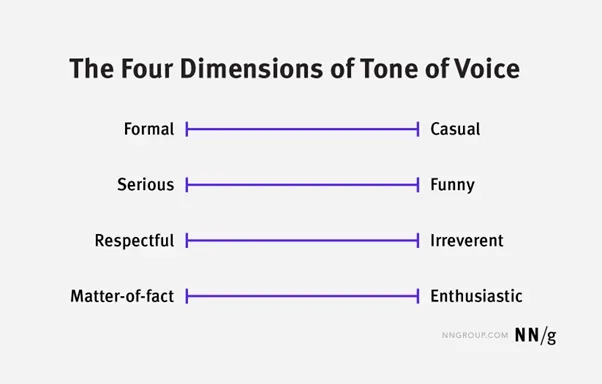
Shee's website was still being built and we needed a line of communication for social media. We needed to explain what Shee was. Behind one short video lie hours of debate, discussion, attempts, writing and more writing, reading the text out loud and several versions. Until we reached the Shee voice. To be Shee's voice, we need to understand who it's talking to, finding the balance with Shee's dream. A ghostwriter takes on the brand's personality. Shee could be a girl or a boy, could be 28 or 65. But it communicates everything with the same voice, the same personality. However, nevertheless, notwithstanding: the voice never changes, whereas the tone of voice… Shee is happy when it can help, but feels bad when something is out of stock. And that information can't be communicated with the same TONE OF VOICE. Source: https://www.nngroup.com/articles/tone-of-voice-dimensions/ In that sense, we can say a ghostwriter is the spirit of the brand — and a spirit has many moods, just like… the living.
What happened to Alexa when she lost her voice? Not everyone can communicate like Alexa, right? Principles of ghostwriting: Confidentiality and privacy: the text may become public, but the whole process stays between the writer and the client; Adaptability: adjusting your writing style and voice to the client is an art. It's like buying a present for your Secret Santa at the office: you have to know what they like, even if you've never spoken to that colleague for more than three minutes. Research and fact-checking: just like a copywriter (who knows that «just like» is best avoided). More than half the working time goes on research and investigation. Discretion: working behind the scenes for the brand and not making a behind the scenes TikTok. Professionalism: meeting deadlines, keeping communication clear and being able to manage the client's expectations efficiently. It's not about ghosting the client; that's something else entirely. Flexibility: or not. There are those who write about anything, there are the conscientious objectors, and there are the specialists. Quality: making sure the work delivered is high quality, with no grammar or spelling mistakes. Sharing of rights: accepting that the client owns all the rights to the final work, without claiming credit for the authorship. 5 reasons to hire a ghostwriter: They tend to be more creative and don't write clichéd subheadings like ‘5 reasons to hire a ghostwriter’. Having a talent for writing doesn't mean having digital communication skills. Tone of voice and the structure of communication are things you study. Managing the brand and writing about the brand are different things. Knowing the difference is a sign of clear thinking. If you have a brand, avoid the Titanic business model: spend more time with your customers and less time writing social media posts. In crisis (or complaint) management, a ghostwriter has 100% more empathy than a chatbot. The choice of words can prevent an even bigger crisis. It's your brand's imaginary friend: and it's always right.
This Halloween, the old sheet costume might take on a whole new meaning.
Get what we write
No fixed calendar: only when there is something worth your time.