Google I/O 2025: True innovation demands not just intelligence, but conscience
Jelly – Digital Agency
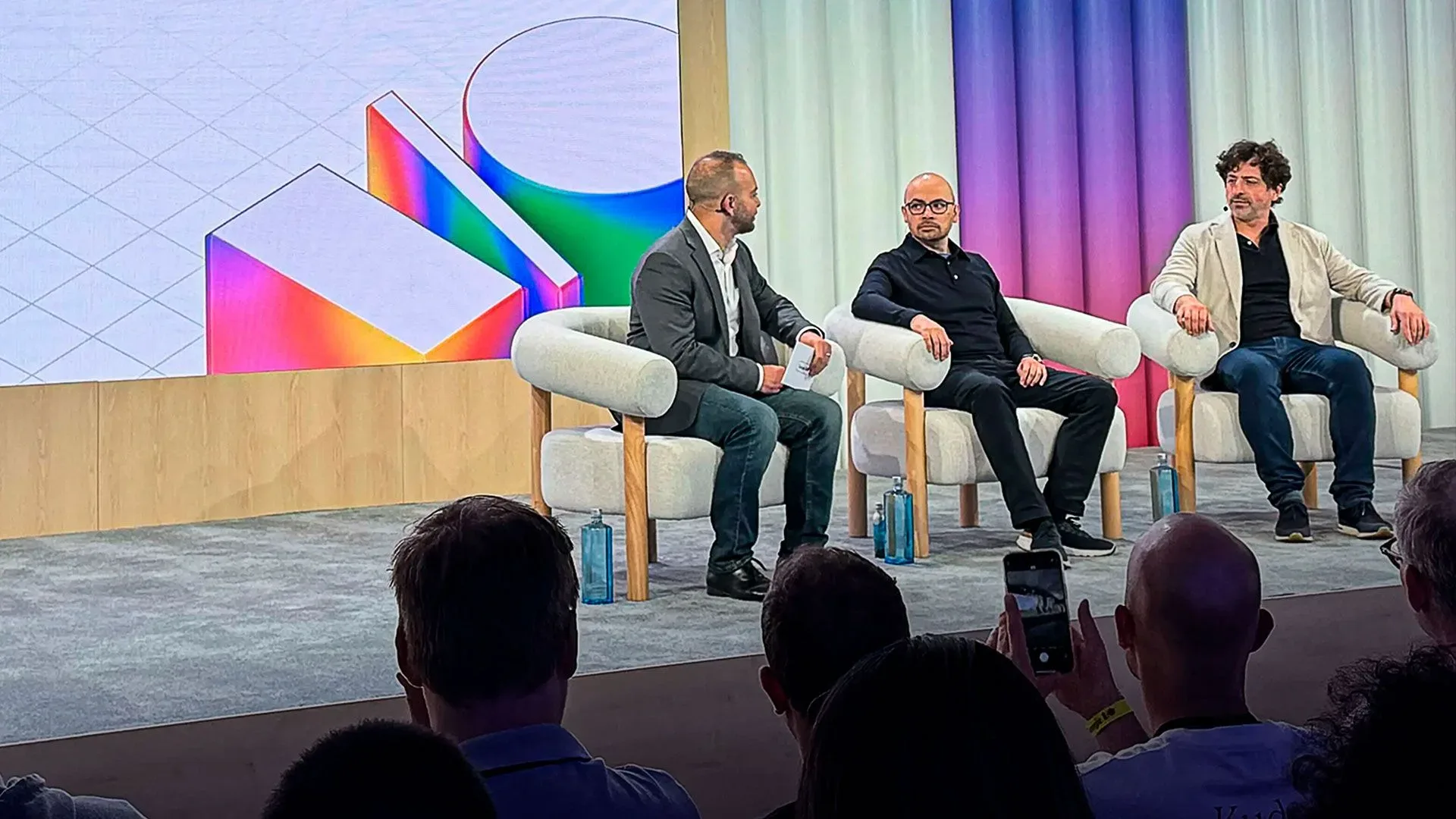
Google I/O is Google's biggest annual conference, where the company unveils its most significant new developments. It's an event that sets trends across the entire tech ecosystem, giving us an early look at the features that will shape our daily lives — for those who build technology and those who use it alike.
In the 2025 edition, Google surprised the world once again. The headline act was
Gemini
, an
advanced language model that promises to completely transform the way we interact with digital products and services
. But behind all the excitement lies an unavoidable question: to what extent can this “useful intelligence” coexist with our digital trust?
This article digs into that promise of innovation and the mistrust that comes with it. We'll explore not only Gemini's game-changing possibilities, but also the ethical, social and behavioural challenges this new era brings.
Is this the future we were all hoping for, or a future we're not truly ready for?
Gemini: the AI that's everywhere
The new generation of Gemini models, particularly 1.5 Pro and 1.5 Flash, brings some impressive capabilities:
- A context window of up to 2 million tokens, making it possible to process huge volumes of information;
- Automatic summaries, smart replies and task execution in tools such as Gmail, Docs and Sheets;
- Integration with Android (Gemini Nano), delivering contextual assistants that run directly on the device.
Google also introduced the Search Generative Experience (SGE), which delivers answers based on reasoning and context rather than plain links. This vision reinforces the promise of an AI that is increasingly useful and present in every moment of our daily lives.
The upside: personalisation and productivity
The promise of innovation is undeniably tempting: greater efficiency in everyday tasks such as managing emails, drafting documents or planning trips; more natural, proactive experiences with assistants that understand our context; and creative support through tools that generate images, music, code and even video.
These features put AI at the user's service, making interactions smoother, more personalised and seemingly more intuitive.
The flip side: dependency, privacy and replacement
But this promise doesn't come without a cost. And this is exactly where the mistrust begins.
- Centralisation within the Google ecosystem The more useful these tools become, the more dependent on Google we become. That centralisation threatens diversity of choice and can limit each person's digital autonomy.
- Privacy at risk? Although Gemini Nano runs locally, many features require access to sensitive data, such as emails and browsing history. Is the promise of privacy really being kept?
- The line between support and replacement Projects such as Astra, which recognises images, hears sounds and responds in real time, raise the question: where does support end and replacement begin?
Are we building technology that frees up our time, or technology that takes away our control?
An impact that goes beyond technology
The AI revolution isn't confined to the digital world — it affects every part of our lives. In the job market, automation promises efficiency, but it also threatens to wipe out operational roles and fuel professional insecurity. In education, quick access to summaries and ready-made answers can make learning easier, but it risks weakening critical thinking. And in everyday life, relying too heavily on AI to make decisions can erode our autonomy and judgement — skills that are essential to living in society.

The future we choose
Google is leading a new generation of intelligent, integrated and deeply personalised products. The technology shown at I/O 2025 is undeniably impressive. But true innovation isn't measured by intelligence alone — it's measured by the conscience with which it is built and used.
It's up to us, as users, as businesses and as a society, to ask questions, demand transparency and make sure technology works for us, not the other way round.
True innovation demands not just intelligence, but conscience. Are we ready to keep up with this progress?
Get what we write
No fixed calendar: only when there is something worth your time.