How can technology make people's lives easier and create immersive experiences through the metaverse?
Pauliny Zito – Planner, copywriter and copydesk – The metaverse will transform — and is already transforming — countless sectors. Brands such as Nike, Gucci and Prada are already creating collections exclusively for the metaverse. Even the basketball team Brooklyn Nets is planning activations to give its fans immersive virtual experiences inside the metaverse.
The growth of augmented reality technology, driven by the metaverse, was in fact flagged in a report covered by the British daily The Guardian at the end of 2021 as one of the main trends for the digital world in 2022, alongside NFTs (Non-Fungible Tokens) and the indie games market, following the success of games such as Among Us during the pandemic.
Pauliny Zito – Planner, copywriter and copydesk – The metaverse will transform — and is already transforming — countless sectors. Brands such as Nike, Gucci and Prada are already creating collections exclusively for the metaverse. Even the basketball team Brooklyn Nets is planning activations to give its fans immersive virtual experiences inside the metaverse.
The growth of augmented reality technology, driven by the metaverse, was in fact flagged in a report covered by the British daily The Guardian at the end of 2021 as one of the main trends for the digital world in 2022, alongside NFTs (Non-Fungible Tokens) and the indie games market, following the success of games such as Among Us during the pandemic. What is the metaverse?
“Metaverse: Part gaming ecosystem, part virtual lifestyle platform, the metaverse is a collection of interoperable digital worlds in which users can create content and interact with others as avatars, or digital versions of themselves.”
The concept of the metaverse was created by science fiction writer Neal Stephenson in 1992, in his novel Snow Crash. He was also the one who coined the name metaverse.
“A virtual world that attempts to reproduce reality using digital devices. A space that combines immersive reality and the internet.”
Chris Cox, Meta's CPO, believes that “the metaverse is the new era of the internet, in multiple dimensions”.
In short, the metaverse is any virtual reality environment.
A kind of digital parallel reality (or universe) of the real world, where people will interact and carry out all sorts of activities through avatars — a digital replica produced by Artificial Intelligence (AI), a virtual twin, or simply your “virtual human” version, an immersive experience that will keep improving over the coming years.
In the article The Metaverse Value-Chain, Jon Radoff describes the seven layers of the metaverse, as shown in the image below:
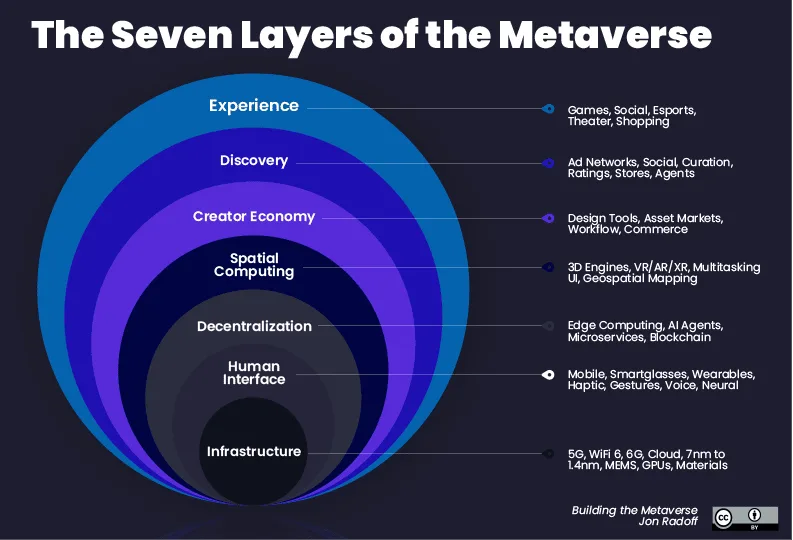
According to Radoff, the ideal structure for the metaverse is to be decentralised rather than owned by a single company, with various systems operating in an integrated way, sharing avatars, NFTs and other objects, all recorded on blockchains.
As for the human interface needed to access the metaverse, the most popular today are 3D headsets such as Meta's Quest 2. But we will also have smart glasses, augmented reality contact lenses and even neural interfaces.
The Artificial Intelligence market
The AI market is expected to be worth around €178 billion worldwide by 2025. AI has become part of the business and strategic decisions of companies and startups, and it goes far beyond technology, shaping the dynamics of several areas and departments within the same company. That is without mentioning other concepts and technologies tied to AI, such as the metaverse and NFTs.
How will the Meta account work?
From August 2022 it is possible to have a Meta account. For now, you won't need a Facebook account, but you will need to create a Meta Horizon profile, which will be your social profile in Virtual Reality (VR).
That said, it is worth stressing that a Meta account is not a social network profile.
There will be three privacy options to choose from: Public (open to everyone), Friends and Family, and Private (only you). People aged between 13 and 17 will have their Meta Horizon profiles set to private by default.
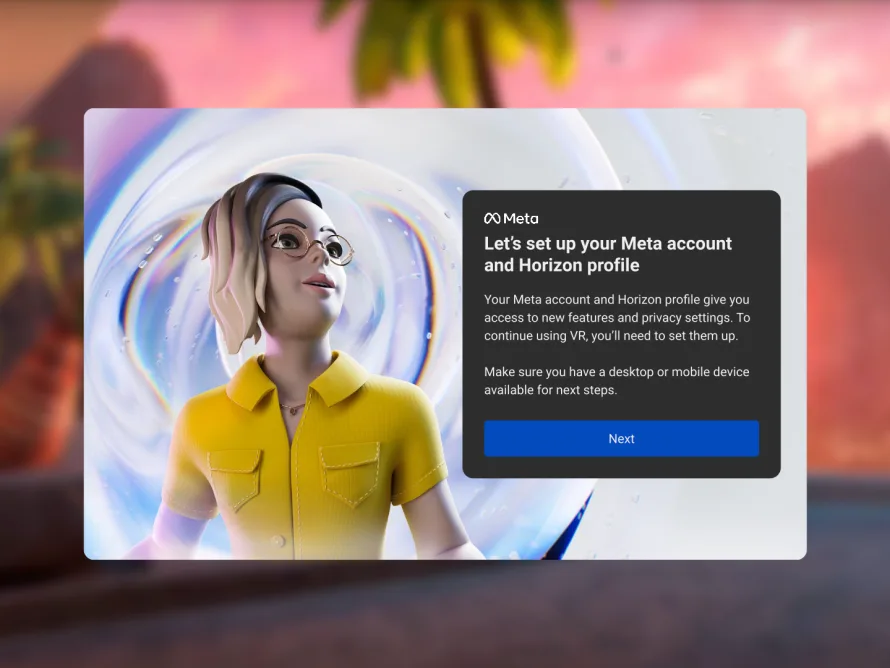
You will be able to create one Meta Horizon profile per Meta account, which lets you register your VR devices and view and manage the apps you've bought in a single place. You will also be able to add your Meta account to the same Accounts Centre as your Facebook or Instagram account, unlocking connected experiences across Meta technologies.
Your Oculus friends will become your followers. And if you already own a Meta VR headset, your Oculus friends will automatically become your followers and your profile will follow them back by default. Of course, you can unfollow or remove followers whenever you want.
Who is already in the metaverse?
Don't be fooled. The metaverse isn't just for big tech companies. Below are examples of companies, people and even a city already riding the new wave.
Siemens and NVIDIA
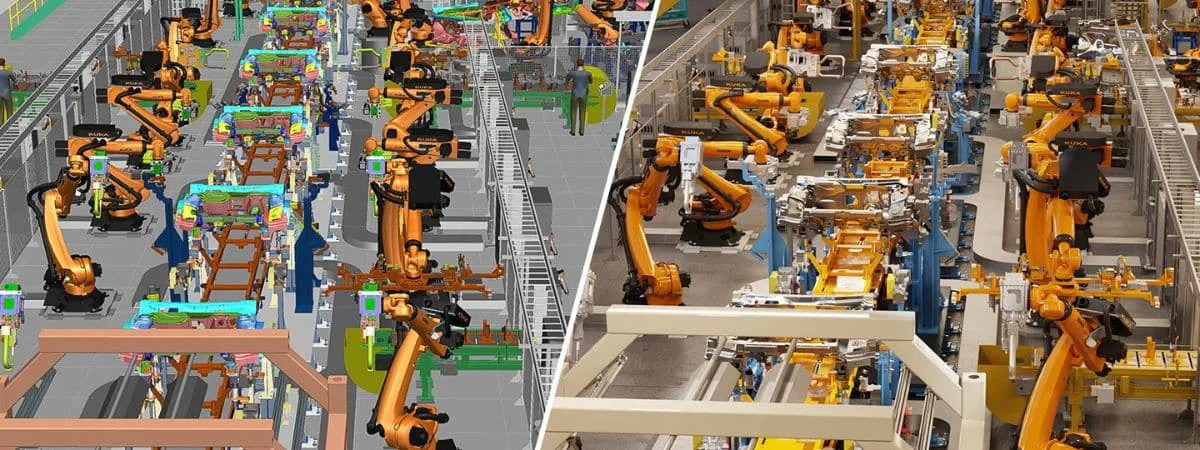
Siemens and NVIDIA have joined forces to enable the industrial metaverse and increase the use of AI-driven digital twin technology. The companies plan to connect Siemens Xcelerator, an open digital business platform, with NVIDIA Omniverse™, a 3D design and collaboration platform. This will enable an industrial metaverse combining Siemens' physics-based digital models with NVIDIA's real-time AI, in which companies make decisions quickly and with greater confidence.
Adding Omniverse to the open Siemens Xcelerator partner ecosystem will accelerate the use of digital twins, which can deliver productivity and process improvements across production and product life cycles. Companies of all sizes will be able to use digital twins with real-time performance data; create innovative industrial IoT (Internet of Things) solutions; leverage actionable insights from analytics at the edge or in the cloud; and tackle tomorrow's engineering challenges by making visually rich, immersive simulations more accessible. Gucci Town
Gucci has created immersive experiences on the Roblox platform. The digital space features gardens, virtual cafés, an art exhibition, mini games and a boutique where players can buy clothes and accessories to dress their Roblox avatars.
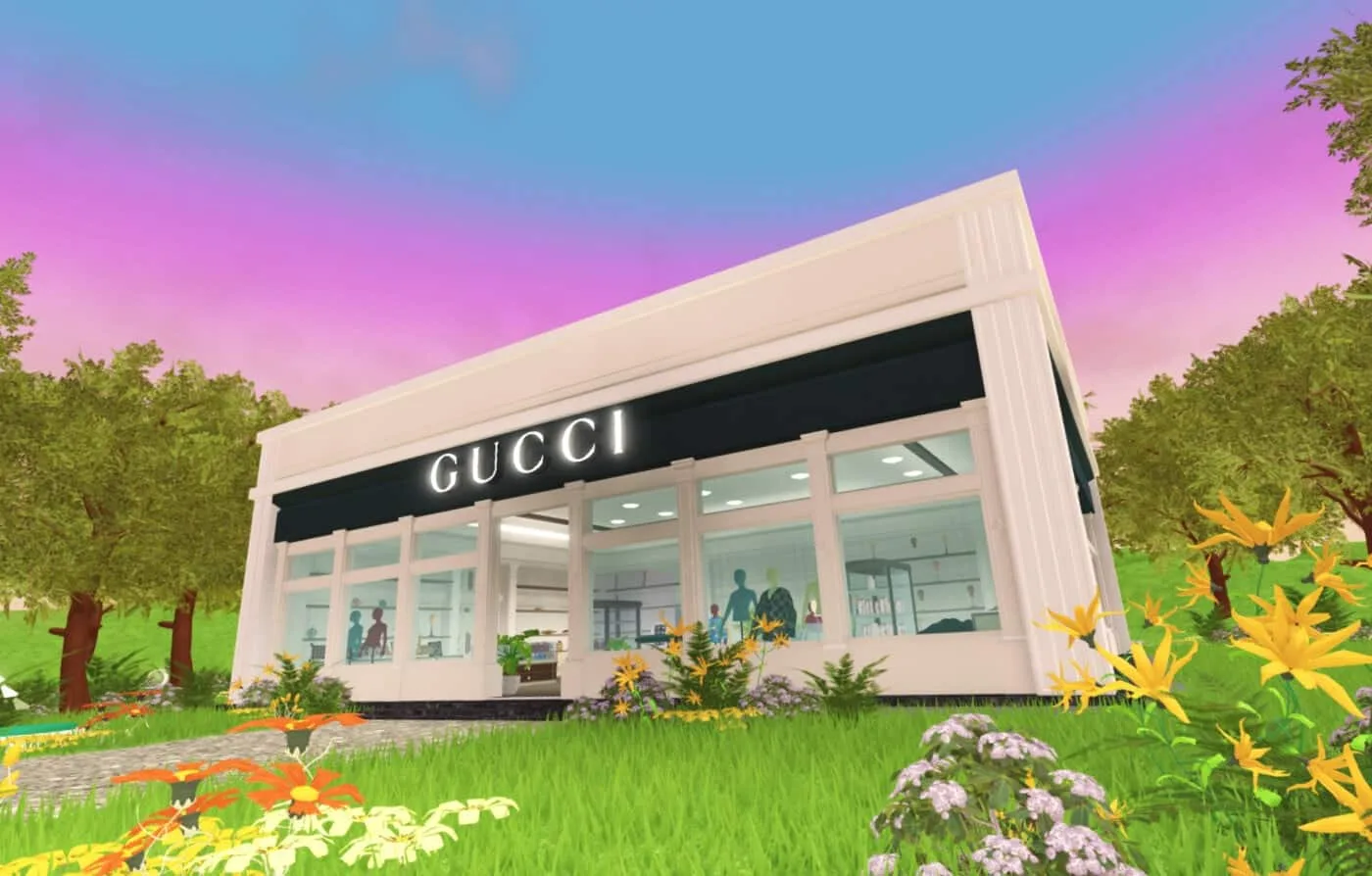
According to the brand's website, “Gucci Town is a place to discover more about the House and its heritage, alongside Alessandro Michele's creative vision, as well as to express your own individuality and connect with like-minded individuals from around the world”. Gucci's metaverse also has GG Gems, a digital currency for buying power-ups and digital objects in the game. Source: Gucci website Epic's blockchain game
Epic will release its first blockchain game this year. GRITT, a battle royale set in the Old West, is being developed in partnership with Web3 startup and games publisher Gala Games. It is the first play-to-earn title to reach the Epic Store, which will lend a degree of legitimacy to this new games genre — one that, for now, is met with a certain scepticism from players and investors (especially because of the instability in cryptocurrency markets).

Epic's CEO, Tim Sweeney, is an optimist about the digital goods economy and about how video games will play a key role in establishing new paradigms within the metaverse. Source: Gala Games/Press Paris Hilton at Paris World Source: Reproduction/CNN
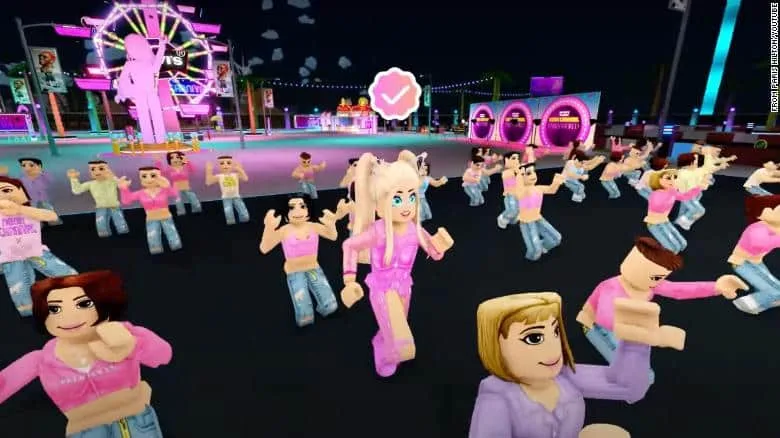
In April, Paris Hilton was at Paris World, Hilton's virtual experience on the popular gaming platform Roblox. Almost 400,000 Roblox users visited her virtual Neon Carnival that mid-April weekend, roughly 40 times the number of people who attended the real-life event this year, according to Hilton herself. The digital event was sponsored by Levi's and was designed in part by Brent Bolthouse, founder of the original Neon Carnival. At Paris World, users can also buy virtual clothes, book a jet ski ride or pay for access to a club's VIP session.
The socialite is already a tech entrepreneur. Hilton has invested in several technology companies, including backing digital avatar startup Genies and the animation app immi, which allows some NFT owners to bring the characters in their digital artworks to life. She has also bought a Bored Ape Yacht Club NFT, an expensive and highly sought-after collection that has attracted celebrity buyers. She has created her own NFT art too. One of her latest NFT pieces, called Iconic Crypto Queen and created in collaboration with popular NFT artist Blake Kathryn, sold for $1.111 million — a nod to 11:11 Media, Hilton's new company named after her favourite time of day. Metaverse Seoul
The Korean city of Seoul will soon launch Seoul City Plaza, a virtual project with spaces for augmented reality events. Metaverse Seoul will be run by the Seoul Institute of Technology (SIT) in partnership with the local government. Users will be able to create their avatars and enter the virtual environment, where they will get real-time information about the temperature, weather and air quality of the real city. The idea is also to offer cultural experiences and a range of city services.
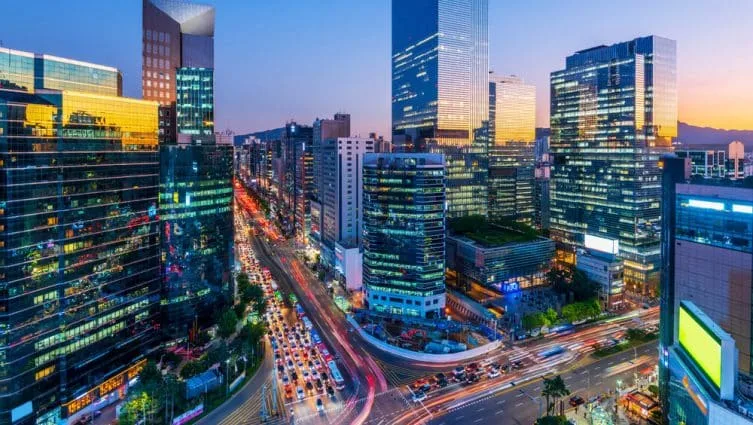
The site Próximo Nível points out that Seoul is already one of the most connected cities in the world, with more than 95% of its ten million inhabitants connected to 4G or 5G services. On top of that, the city council offers an extensive free Wi-Fi network with more than 100,000 access points. Source: Próximo Nível, article of 26 May 2022 Lego
By the end of 2023, Lego plans to grow its team dedicated to building its virtual world from 400 to 1,800 people. The company has created a technology hub in Denmark, but the new employees will also work on software in London and Shanghai. Even as an “analogue” business, Lego's revenues remain high, but it expects to improve its results significantly when it launches its own metaverse.
A metaverse for children
Lego and Epic Games have announced a long-term partnership to shape the future of the metaverse: building an immersive, creatively inspiring and engaging digital experience for children of all ages. The goal is to make the metaverse a safe, positive and fun space for children, through a family-friendly digital experience that provides the tools to make them creators in this space.
Live Forever
What if you could see loved ones who have passed away again? That is the proposal from Somnium Space, which is developing a way for people to talk to their deceased loved ones by creating a digital version of them in the metaverse. The Live Forever feature allows people to have their movements and conversations stored as data and then duplicated as an avatar that moves, speaks and sounds exactly like them, and that can keep “existing” — in the metaverse — long after their death. The idea came from the personal experience of Artur Sychov, the company's CEO and founder.
Qatar Airways QVerse
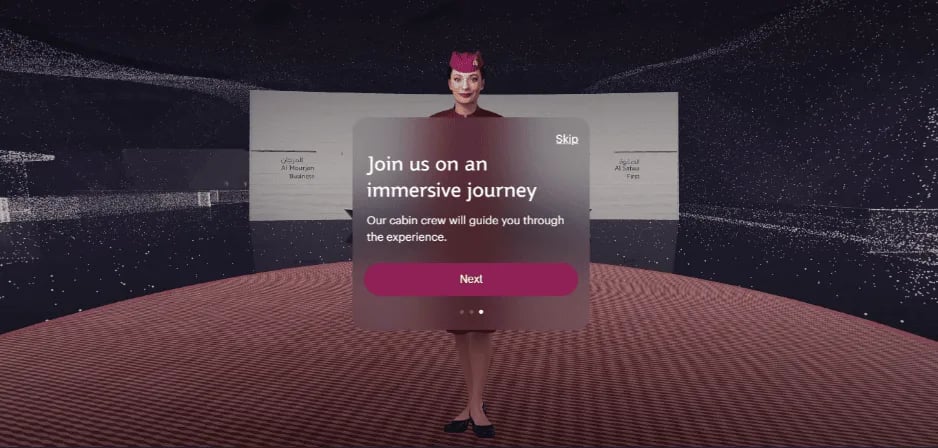
Qatar Airways' new virtual reality experience is virtual boarding, which lets you feel those butterflies as you check in and board the plane to travel. QVerse, launched in the metaverse, can be accessed free of charge on the airline's website. In the virtual environment, passengers can experience virtual boarding in first class and business class at Hamad International Airport (HIA) in Doha, Qatar.
Metaverse Hype
According to consultancy Gartner, by 2026 25% of people will spend at least one hour a day in the metaverse — working, shopping, studying, chatting with friends or being entertained. In its Metaverse Hype study, the consultancy argues that, since no single vendor will own the technology, it will have a virtual economy enabled by digital currencies and non-fungible tokens (NFTs).
“The metaverse will impact every business that consumers interact with every day. By 2026, 30% of organisations worldwide will have metaverse-ready products and services,” it predicts.
Absolut Vodka's Absolut.Land at Coachella
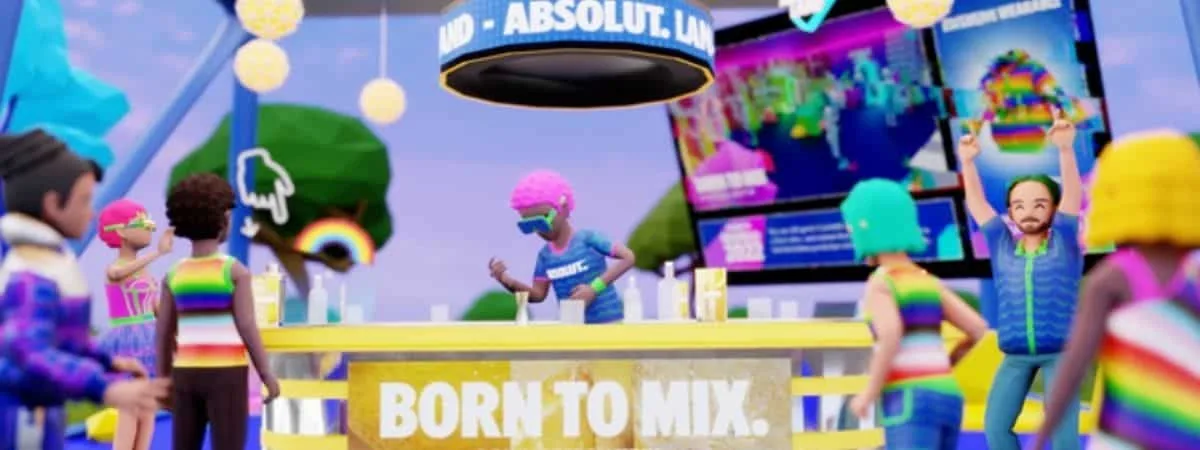
Drinks brand Absolut Vodka brought Coachella into the metaverse in a mix of virtual and real-life experiential marketing, recreating its festival experience in Decentraland and allowing players and festival-goers to interact.
Absolut.Land had three floors with ten interactive elements, letting players collect NFT wearables, receive discount codes for cocktail kits and potentially win tickets to the second weekend of Coachella, which took place from 15 to 24 April. Festival-goers in real life could create their own avatar at kiosks, gift NFT wearables and “try them on” using QR codes. The dual event also celebrated 10 years of Absolut as Coachella's official vodka.
JPMorgan
The Decentraland metaverse now has another big name on board: JPMorgan. The world's largest bank by market value has opened its own space there and produced a report on the technology. In 2021, for example, $54 billion was spent on virtual goods, more than double the amount spent in the music sector. The document also points to the more than 200 partnerships struck by The Sandbox, including with Warner, which plans to open a virtual space for concerts. The bank has consistently highlighted the many business opportunities within this digital environment, the growing popularity of Virtual Reality (VR) and Augmented Reality (AR) devices for accessing the space, and the rising interest in crypto assets, particularly NFTs.
McDonald's
McDonald's has taken its first step into the metaverse. The fast-food chain has filed a patent application for virtual assets. One of the items is “a virtual restaurant that includes real and virtual products”, according to the description. In total, ten items were listed for patenting in their virtual versions. Several other brands have also started filing patent applications for virtual items. In McDonald's case, however, there is a clearer intention to integrate the virtual with the real, namely home delivery.
Other possibilities include the creation of virtual art, audio and video files as well as NFTs. The chain also included the McCafé brand in the application, along with the intention to offer online concerts and virtual experiences for its customers.
Disney

Disney is creating its own metaverse through a “virtual world simulator” (already patented) that will project 3D images and virtual effects into physical spaces. The project will track visitors individually inside the park in order to personalise those projections.
“Our efforts to date have been just a prologue to a time when we'll be able to connect the physical and digital worlds even more closely, allowing for storytelling without boundaries in our own Disney metaverse,” said the company's CEO, Bob Chapek. Source: Press/Disney Boeing
Aircraft manufacturer Boeing wants to innovate. The company's strategy is to have its next aeroplane fly through the skies of the metaverse, unifying its design, production and air services operations in a single digital ecosystem.
Next year, Boeing wants to reassert its dominance in the market by building and connecting three-dimensional virtual replicas of its next jet and building a system capable of running simulations.
Urban land in the metaverse
According to the DappRadar blog, urban land in the metaverse will be in vogue in the NFT market: four blockchain-based metaverse projects generated $106 million in virtual land sales in the last week of November. The Sandbox and Decentraland are the standouts, accounting for 96% of market sales.
The metaverse in 2040
Pew Research Center and Elon University's research centre asked 624 technology experts — including technology innovators, developers, business and policy leaders, researchers and activists — to share their thoughts on the subject.
These professionals gave open-ended answers to a question seeking their predictions about the trajectory and impact of the metaverse by 2040.
This is not a scientific survey; the results represent only the opinions of the individuals who responded and cannot be projected onto any other population.
Some findings:
- 54% of these experts said they expect that by 2040 the metaverse will be a much more refined and genuinely fully immersive aspect of daily life for half a billion or more people worldwide.
- A notable share of these experts argued that the inclusion of augmented reality in people's everyday lives by 2040 will centre on augmented reality and mixed reality tools, not the more fully immersive virtual reality worlds that many people today define as “the metaverse”.
- They warned that these new worlds could dramatically amplify every human trait and tendency — the bad as well as the good.
- None of these experts doubt that major changes are coming in the way reality is complemented by technology, or even “reimagined” in technology-enabled ways.
- A notable share of these experts expect augmented reality applications to be far more widely used in everyday life than immersive VR, which they expect to remain a niche.
Many respondents who expect the AR/VR metaverse to be well developed by 2040 warned that this will significantly amplify the social challenges already present in the digital sphere.
Is this the end of reality?
Mark Zuckerberg believes the metaverse could reach technological singularity — that is, it won't just be a place, as many people think, but rather an era in which immersive digital worlds become the main way people live their lives and spend their time.
Technology consultant Melanie Subin believes a large share of people will be in the metaverse by 2030, and many of them will spend most of their day connected.
In November last year, computer scientist Louis Rosenberg, a pioneer of augmented reality technology, warned that the metaverse could make reality “disappear”.
He fears that the layering of information over the real world could grow to the point where it affects essentially every aspect of life, preventing people from “switching off” from the system. Another problem, according to Louis Rosenberg, will be a potential labelling system, with information appearing above each person's head identifying their political and religious positions, among other things.
If the aim of the metaverse is to keep people submerged in this virtual reality without interruption, doing everything in the virtual environment that we do today in the physical world, only more easily and conveniently, what becomes of our reality?

Get what we write
No fixed calendar: only when there is something worth your time.