Hyper-personalisation: are we being read or heard?

Jelly – Digital Agency
After all, who hasn't had the feeling that a brand knows more about them than it should? And what if that feeling is, in fact, the new normal in marketing?
Forget the basic "personalisation" that suggests a toothbrush after you've bought toothpaste. We're talking about another level entirely.
hyper-personalisation is changing the rules of the game
— it's
technology
real-time data
decisions fine-tuned to the millisecond
to talk to every consumer as if they had always known them.
This article explores the concept of hyper-personalisation, the advantages it brings to consumers and brands, the technologies involved and what to expect from a market where "generic" no longer cuts it.
It's worth reading to the end. Any brand that fails to keep up with this shift may be losing the attention of the people who matter most… without even realising it. What is hyper-personalisation?
The demand for personalisation in the consumer experience is nothing new. Since the 1990s, brands have sought to build more personal, more relevant connections with their target audience. Early on, personalisation strategies were limited to basic information, such as the customer's name in an email or recommendations based on previous purchases. As technology evolved and the volume of available data grew exponentially, consumers became more demanding and now expect brands to understand their needs in a deeper, more contextual way. Personalisation is no longer seen merely as a competitive edge, but as a basic expectation for delivering memorable experiences.
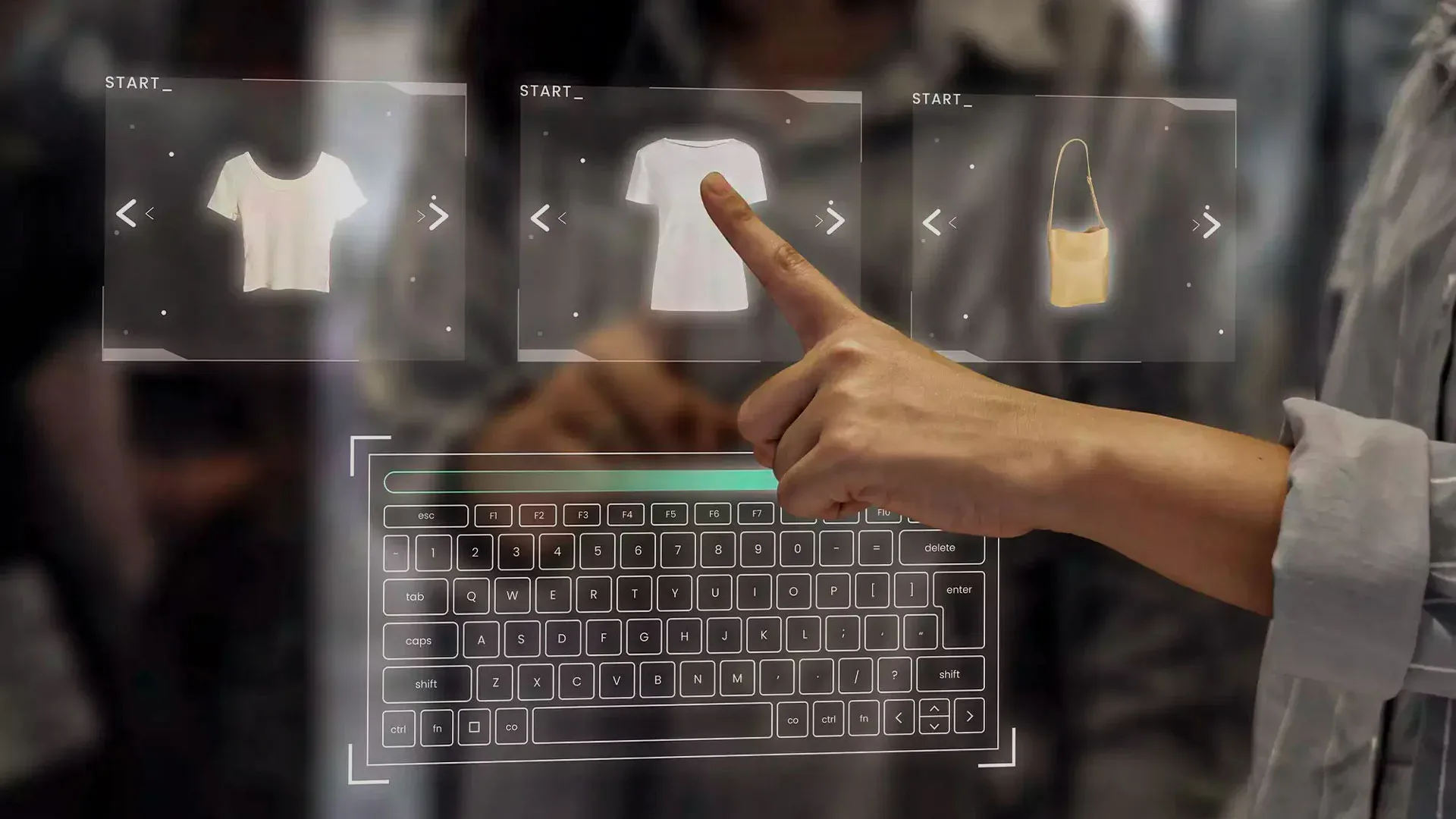
Hyper-personalisation goes beyond the basics. It uses real-time data, artificial intelligence (AI) and machine learning to create experiences that are genuinely unique, contextual and even predictive. It isn't just about "personalising", but about anticipating desires and adapting the message to each moment and each person.
Why does this matter so much?
At the heart of relationship marketing lies the building of lasting, meaningful relationships with customers. For those relationships to be genuine, brands must show that they truly know each consumer — not as part of a generic group, but as individuals with their own needs, interests and behaviours.
This is where hyper-personalisation comes in: by drawing on real-time data, artificial intelligence and automation, this approach allows brands to communicate in a more relevant, timely and individual way. According to a study by Redpoint Global, 74% of consumers say their loyalty to a brand is determined by feeling understood and valued, rather than by being drawn in by discounts or perks. What's more, 64% prefer to buy from brands that know and understand them.
Within relationship marketing, hyper-personalisation:
- Brings the brand closer to the customer by creating more human, more contextual experiences;
- Builds trust and loyalty, both essential to long-term relationships;
- Increases customer value over time through more effective interactions;
- Contributes to a solid reputation, since satisfied consumers naturally become brand advocates.
Hyper-personalisation is the key to turning commercial interactions into real relationships — the very purpose of relationship marketing.
Advantages for the consumer
The real strength of hyper-personalisation lies in its ability to transform the consumer experience — making every interaction more relevant, more intuitive and more valuable. Applied well, this approach not only simplifies purchase decisions but also strengthens the emotional bond with the brand. Genuine convenience: Based on behaviour and real-time data, brands can present products, services and content that are genuinely relevant, saving the consumer time. More satisfying experiences: Every interaction stops being generic and becomes personal and meaningful, reducing frustration, increasing engagement and creating memorable experiences. Loyalty and recommendation: When consumers feel a brand understands them, a relationship of trust is established — and consumers who trust a brand are more likely to buy again and recommend it to others.

According to Forbes, 46% of consumers are willing to buy more when they receive a personalised experience.
Benefits for brands
Hyper-personalisation doesn't only serve the consumer's interests; it is also a powerful lever for brand growth. By turning data into strategic decisions and relationships into lasting value, this approach makes it possible to scale with intelligence, focus and real business impact. More revenue, less waste: Being able to spot upsell and cross-sell opportunities at exactly the right moment significantly increases conversion rates. More effective campaigns: Sharper segmentation and targeted messaging cut wasted spend and improve ROI. A solid reputation: Satisfied customers naturally become brand ambassadors, fuelling the cycle of organic growth. The technologies behind the process
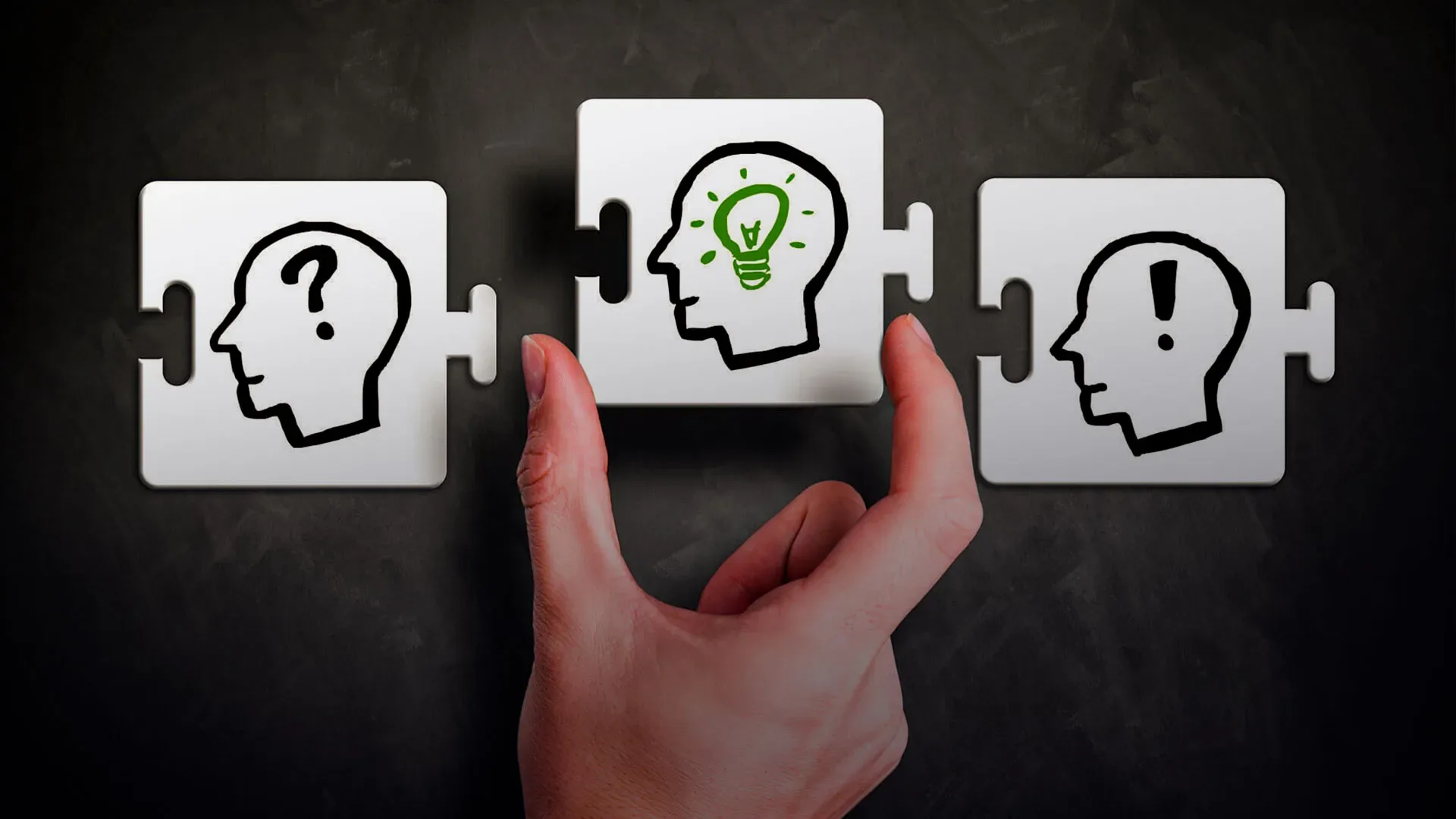
Hyper-personalisation is only feasible with sophisticated technology tools:
- Artificial Intelligence (AI): Analyses patterns and generates insights into behaviours and preferences.
- Machine learning: Learns from the data and improves recommendations over time.
- Real-time data analysis: Makes it possible to adapt campaigns instantly to the user's context.
- Marketing automation: Sends personalised communications at the most effective moments.
The future of hyper-personalisation
The future of hyper-personalisation is closely tied to the development and refinement of AI. As AI capabilities expand, brands will be able to create even more intuitive and predictive experiences, anticipating customers' needs before they even express them.
Some emerging trends include:
- Personalised voice experiences: Integrating intelligent voice assistants will allow for more natural, fluid personalisation based on voice interactions.
- Personalised augmented reality: Combining AI with augmented reality will create immersive, personalised experiences in real time.
- Advanced predictive models: Using historical and real-time behavioural data to predict consumers' future desires and actions.
- Fully automated campaigns: Marketing campaigns that are entirely automated yet personalised to the extreme, with messages that adapt automatically to the user's context.
Benchmark cases
Companies such as Amazon and Netflix are pioneers in the use of hyper-personalisation, delivering accurate recommendations and unique experiences based on user behaviour. These strategies result in high levels of satisfaction and loyalty, positioning the brands as market leaders.
Hyper-personalisation is more than a trend; it is a requirement in a saturated, competitive, user-centred market. The brands that manage to meet that requirement with transparency, technology and strategy will be at the forefront of innovation — and of consumer preference.
Get what we write
No fixed calendar: only when there is something worth your time.