Medical marketing

Marta Peral Ribeiro – Communications Consultant –
weekly workout plan to help you get in tip-top shape for summer!
andriol testocaps bodybuilding
why hiking may be your best cross-training tool – canadian running magazine
The healthcare professional's presence in the digital space
Regulation, security and privacy issues make marketing and healthcare almost incompatible. Yet the past year has made us look at health in a new light and, like other sectors, healthcare had to adapt quickly to digital — and, with it, many of its professionals.
Marta Peral Ribeiro – Communications Consultant –
The healthcare professional's presence in the digital space
Regulation, security and privacy issues make marketing and healthcare almost incompatible. Yet the past year has made us look at health in a new light and, like other sectors, healthcare had to adapt quickly to digital — and, with it, many of its professionals.
The internet as a meeting point for healthcare professionals and patients
Video consultations, searches about disease symptoms and looking up ways to improve your health are just some of the things people are doing more and more these days.
Although subject to plenty of restrictions, healthcare professionals can use digital channels to gain visibility, promote their clinic (or vice versa) and, in doing so, build their reputation and attract more patients.
Beyond the chance to stand out, investing in online medical marketing lets you capture leads, increase the conversion rate (turning users into patients) and win their loyalty.
Consumers gain too, as they get clearer information about healthcare, symptoms, available treatments and, of course, about doctors and other professionals in the field.
Precautions to take — the limits of healthcare marketing
Because it deals directly with people's health, healthcare communication carries risks.
There is a set of rules from Infarmed, among other relevant bodies, that healthcare professionals must follow when they take on digital marketing.
Communication must always put health first, not the doctor.
How do you build an effective online presence?
1. Define the communication strategy
As with any other business, it all starts with a strategic plan — bearing in mind, though, that healthcare marketing is a long-term project.
The communication strategy has to be thought through carefully so that it fits within the legal framework while still connecting with the user/patient.
The plan should cover the same principles as building a brand: defining the tone of voice (somewhere between competent and empathetic), the persona and the channels you want to be on.
After that, the strategy should be reassessed every 3 months, given that user interaction also changes over time.
Marketing metrics
Once a strategy is up and running and the aim is to refine it, start by looking at the data you already have:
- What are the organic results of your marketing activity?
- What return are your communication efforts generating (ROI)?
- What is the conversion rate (how many enquiries turn into appointments)?
- How long do users spend on the website/blog?
As well as giving you a picture of how effective the strategy is, this analysis can also shed light on other things, such as:
- Whether your audience matches the persona you originally defined
- How engaged users are on social media
- How satisfied patients are, based on the reviews they leave on social media
- Whether it would be worth adding new features to your digital platforms to improve the user experience
- Whether the tone of voice is consistent across all channels
- Whether patients are getting first-rate support
2. An SEO-optimised website
Local search optimisation
If the doctor's or clinic's name or contact details appear one way on the website and another way on social media, search results will vary too:

So the key information (name, location, contact details) should be consistent across the different media, so it comes up at the top of search results.
A chatbot for patient convenience
The site should be set up for immediate interaction with users via chat, and should also allow appointments to be booked online.
It is equally sensible to have accessibility features switched on, so that patients with visual, hearing or motor impairments can navigate the website easily.
Blog
As well as providing useful information to people searching for particular topics, a blog can boost the credibility of the healthcare professional or clinic.
After all, when content adds value, the professional has the chance to be recognised as a reference in their field.
What's more, unlike social media content, which tends to be short and image-led, a blog has the advantage of letting you develop a topic in depth.
Blog articles should be written with great accuracy, be informative in nature and have an empathetic tone, to give the patient confidence.
3. A presence on social media
Just as demanding in terms of medical accuracy, these channels nevertheless let you explore a more innovative side and translate health concepts into plainer language. Essentially, social media allows a more personal interaction with the patient.
Informative content
The focus should be on useful information: the symptoms of a condition, what health precautions to take, what a particular medical speciality involves, the side effects of a treatment or a medicine.
For example, the post below briefly explains what melatonin is and how it relates to sleep:

Professional images
Consumers feel more confident when they can see the faces of the healthcare professionals and where they work.
On this Instagram page, the clinic introduces the professionals who work there. As well as showing their professional experience and the premises where they practise, it reveals a little of their personal lives, enriching the narrative.
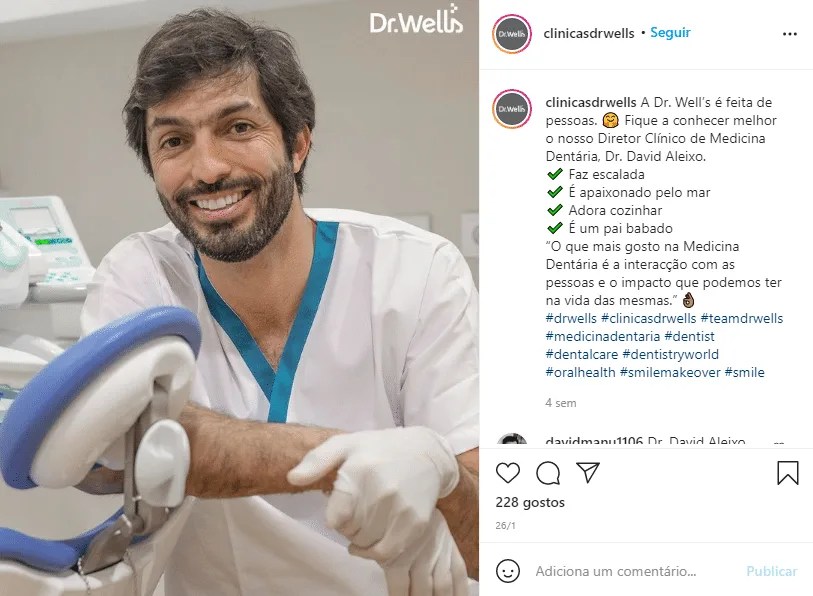
This approach adds an emotional element that brings doctors and users closer together (storytelling), and it can go further still if the introduction is written in the first person.
Infographics
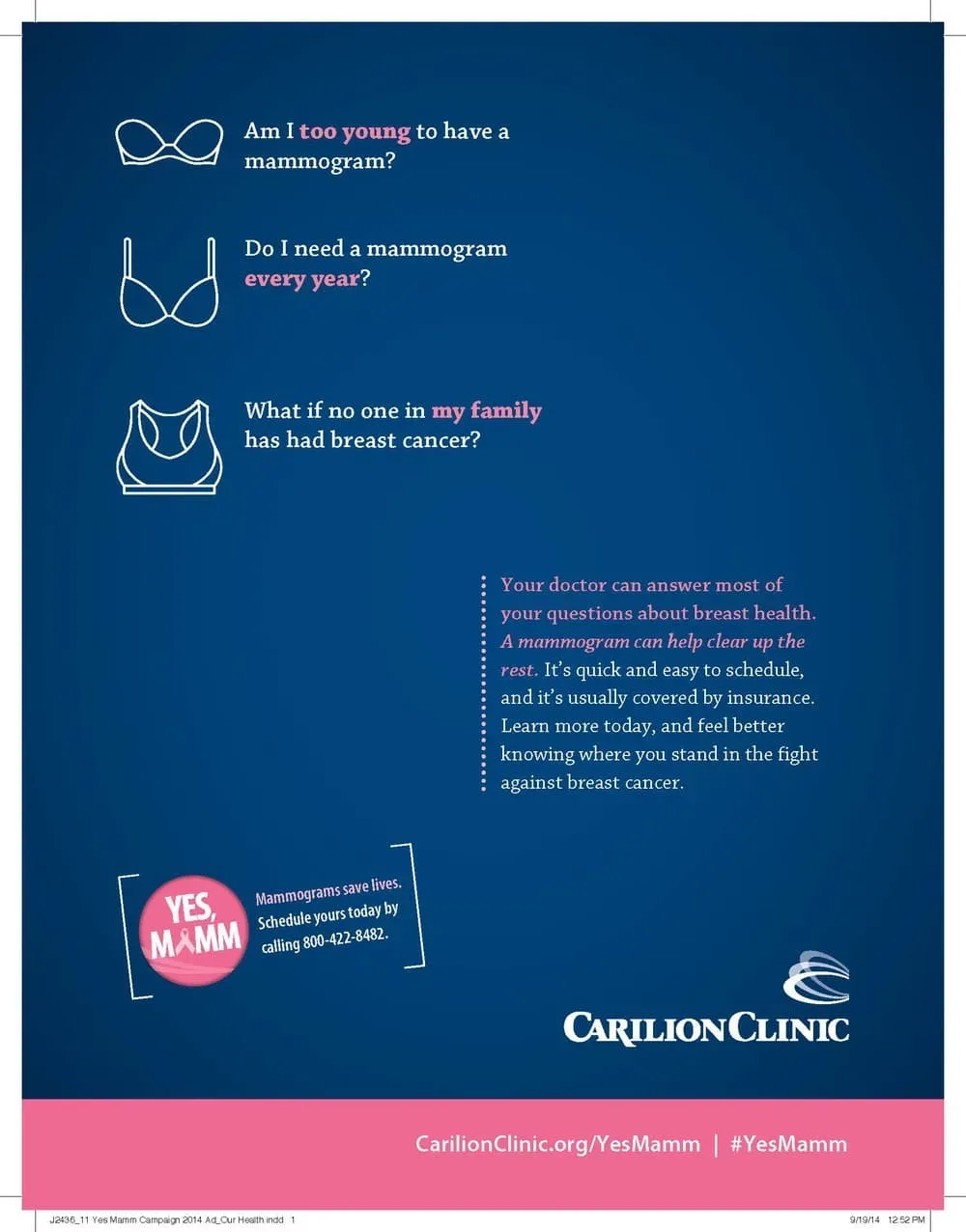
Using creative imagery, infographics generally serve an educational purpose and turn complex ideas into simple information:

Infographics are also a good way to get around certain censorship policies on social media, particularly where parts of the body are shown.
Facebook may block a post about breast cancer for showing a nipple, for instance.
Storytelling
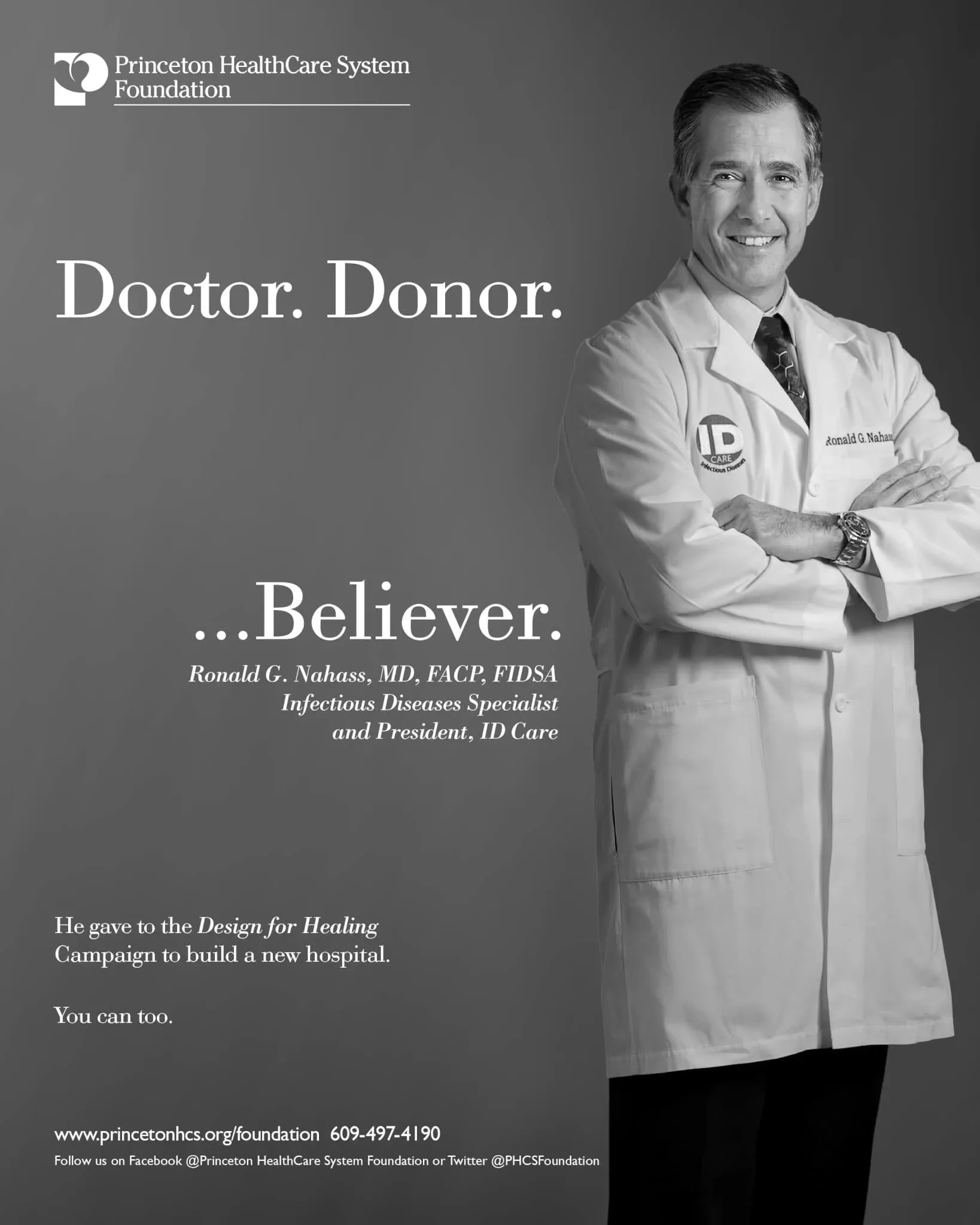
An image on its own can tell a story through its composition, because it creates instant familiarity — especially when it includes a human element (whether a person or a physical aspect of one):
In this example, featuring a doctor looking the user in the eye from a smartphone screen, the message is clear: “Your doctor is available and just a click away”.

To encourage donations towards building a new hospital, a health foundation shows a doctor who has already contributed to the campaign. As well as putting the spotlight on the professional, the poster appeals to the emotions:
Humour, whenever possible
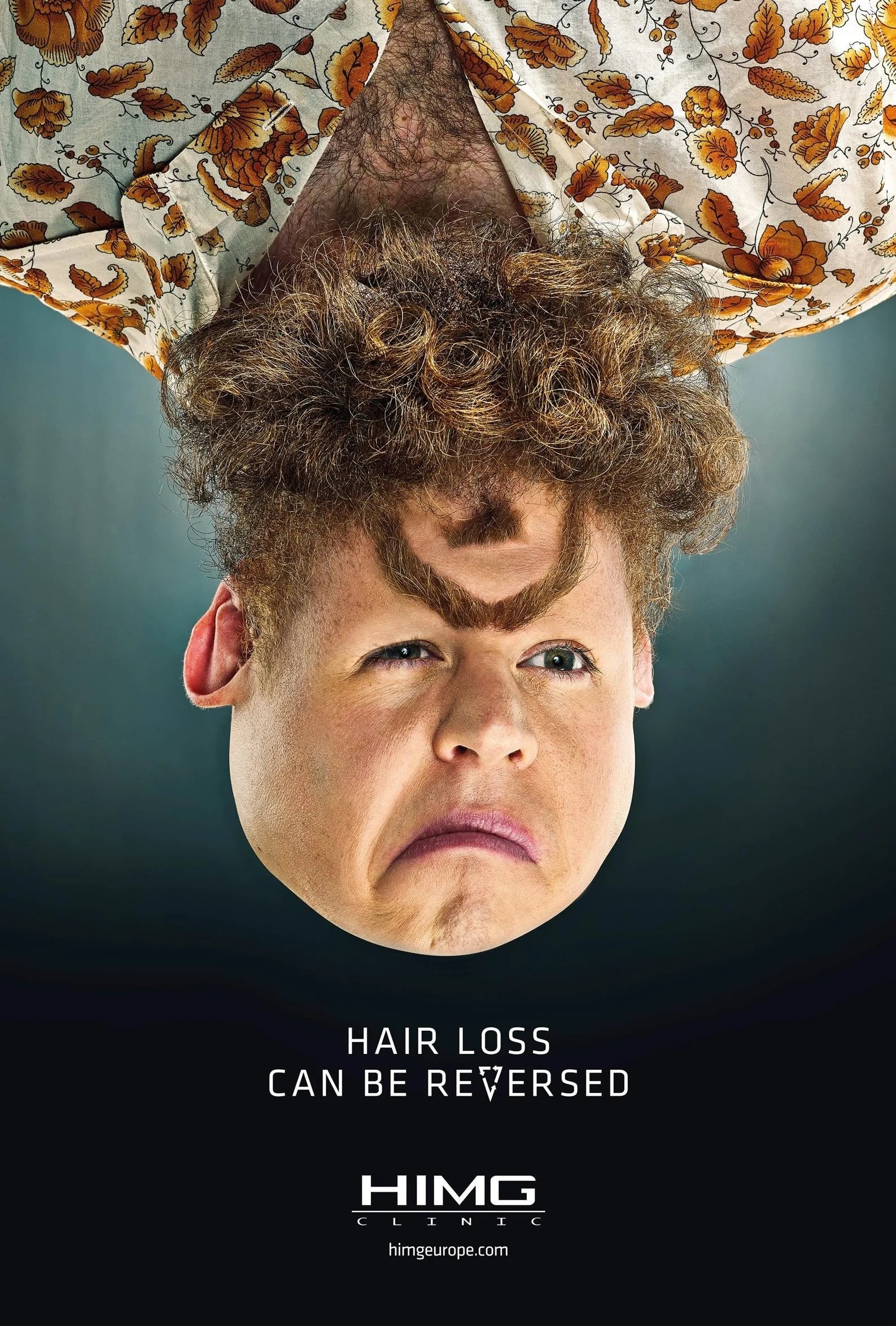
The best way to handle potentially awkward subjects is to break the ice.
Topics such as excessive sweating, bad breath, tooth decay and urinary incontinence need a dose of humour to communicate with patients.
A hair treatment clinic applied this principle well when tackling hair loss, a common problem among men, under the line “Hair loss is reversible”:
Another example of clever humour, getting around one of the restrictions in medical marketing on “before” and “after” treatment images, shows a pedestrian crossing before and after roadworks, symbolising the improvement in teeth after orthodontic treatment:

4. Email marketing
Email is one of the most valuable tools for communicating with consumers and building loyalty, because it is direct contact. It lets you exchange information about appointments, send satisfaction surveys and share content such as newsletters.
Precisely because it is valuable, email should be used with care, aiming to offer information that is relevant to the user rather than flooding them with sales-driven emails that will only make them lose interest.
5. Partnerships and the media
Another way for a healthcare professional to reinforce their authority in their speciality is through alliances with other influential people or by appearing in other media (television, radio, newspapers, etc.).
In an Australian newspaper, a psychiatrist gave an informal explanation of mental illness in an opinion piece, using the famous character Joker, who suffers from psychosis:
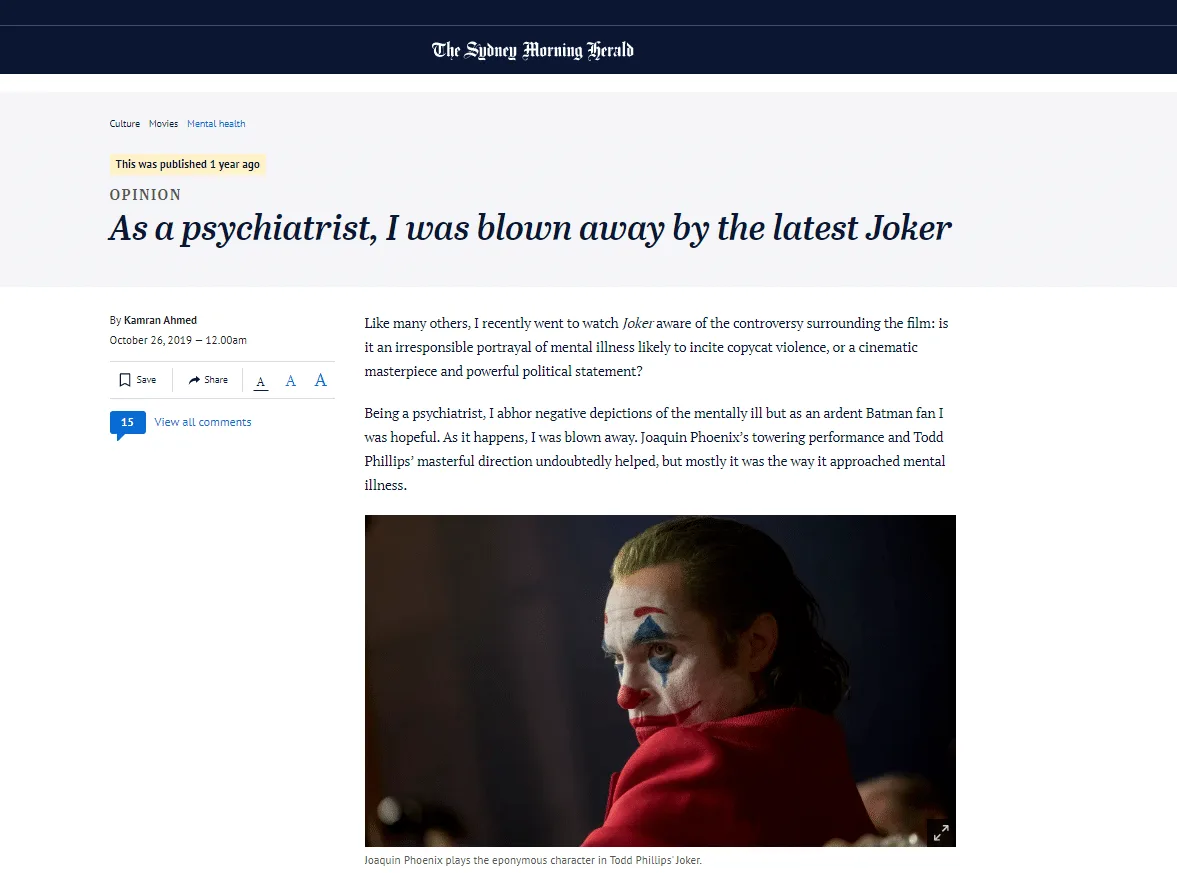
When there is a significant collaboration, it is essential to use social media once again to publicise it, which will give it more weight:


6. Paid advertising
Sponsored ads are something that works straight away to increase the patient conversion rate.
Tools such as Google Ads or Facebook Ads are effective because they let you target your audience by age group, location, interests and habits.
In turn, provided they keep their integrity, the same content can be put to good use on your own other digital platforms.
Conclusion
Digital will never replace face-to-face interaction with a healthcare professional, but it is an excellent channel for doctors and other therapists to showcase their work.
That said, promoting a business linked to medicine calls for real care, as it affects people's health and is bound by a set of ethical rules. Even so, with a carefully thought-out strategy, the investment can bring in new patients and keep existing ones.
An effective digital presence is undoubtedly capable of building a good professional reputation and attracting the target audience, for whom the content provided is a real asset.

Get what we write
No fixed calendar: only when there is something worth your time.