Multichannel Marketing vs. Omnichannel Marketing
Pauliny Zito – Planner, copywriter and copydesk –
At first glance, multichannel and omnichannel may look similar and be taken as synonyms, but they aren't.
In this article, I explain the difference between them, the benefits and challenges of each, and how to build and implement a strategy based on both concepts.
Pauliny Zito – Planner, copywriter and copydesk –
At first glance, multichannel and omnichannel may look similar and be taken as synonyms, but they aren't.
In this article, I explain the difference between them, the benefits and challenges of each, and how to build and implement a strategy based on both concepts. Multichannel
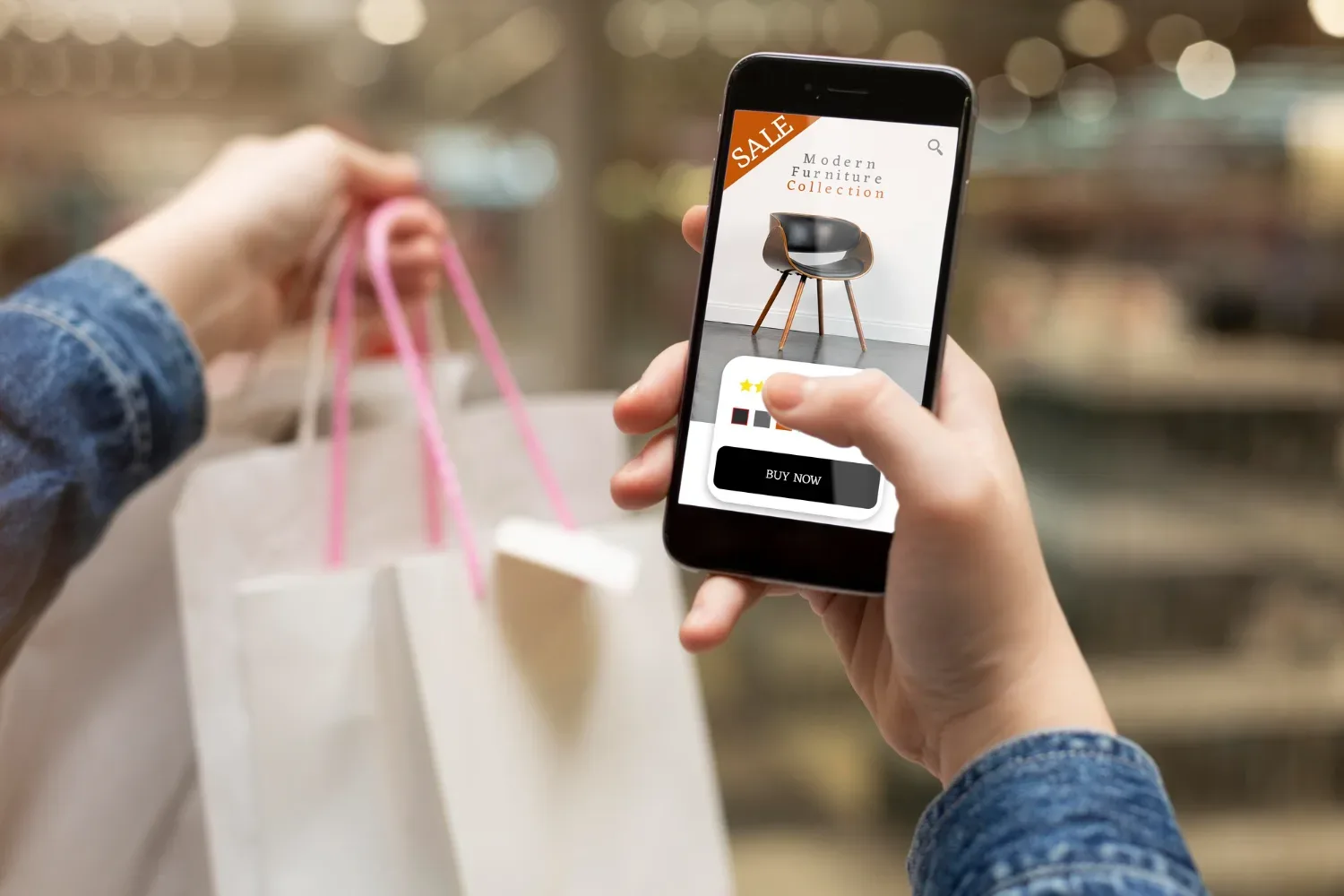
Multichannel is the strategy of using multiple online and offline channels to get the information out there and reach your persona. However, these communication channels aren't necessarily synchronised or connected. Source: Freepik. Main benefits of a multichannel strategy
It helps ensure a consistent message across the chosen channels. It reaches customers on the channels they prefer, which has a positive impact on their experience and loyalty. It generates more data and insights on customer behaviour and preferences, allowing for greater personalisation.
The main challenge of Multichannel Marketing
The main challenge of Multichannel Marketing is that it doesn't deliver the unified shopping experience customers expect.
How to build a Multichannel Marketing strategy
The first step is to integrate the Marketing departments. Communication has to be aligned for the strategy to work. The second step is to know your persona (or personas) inside out and to create and run tests across the various channels. The third step is to choose the channels, based on your buyer persona and your own specific objectives. Finally, define and implement a Multichannel Marketing platform to consolidate data and manage campaigns efficiently.
Omnichannel
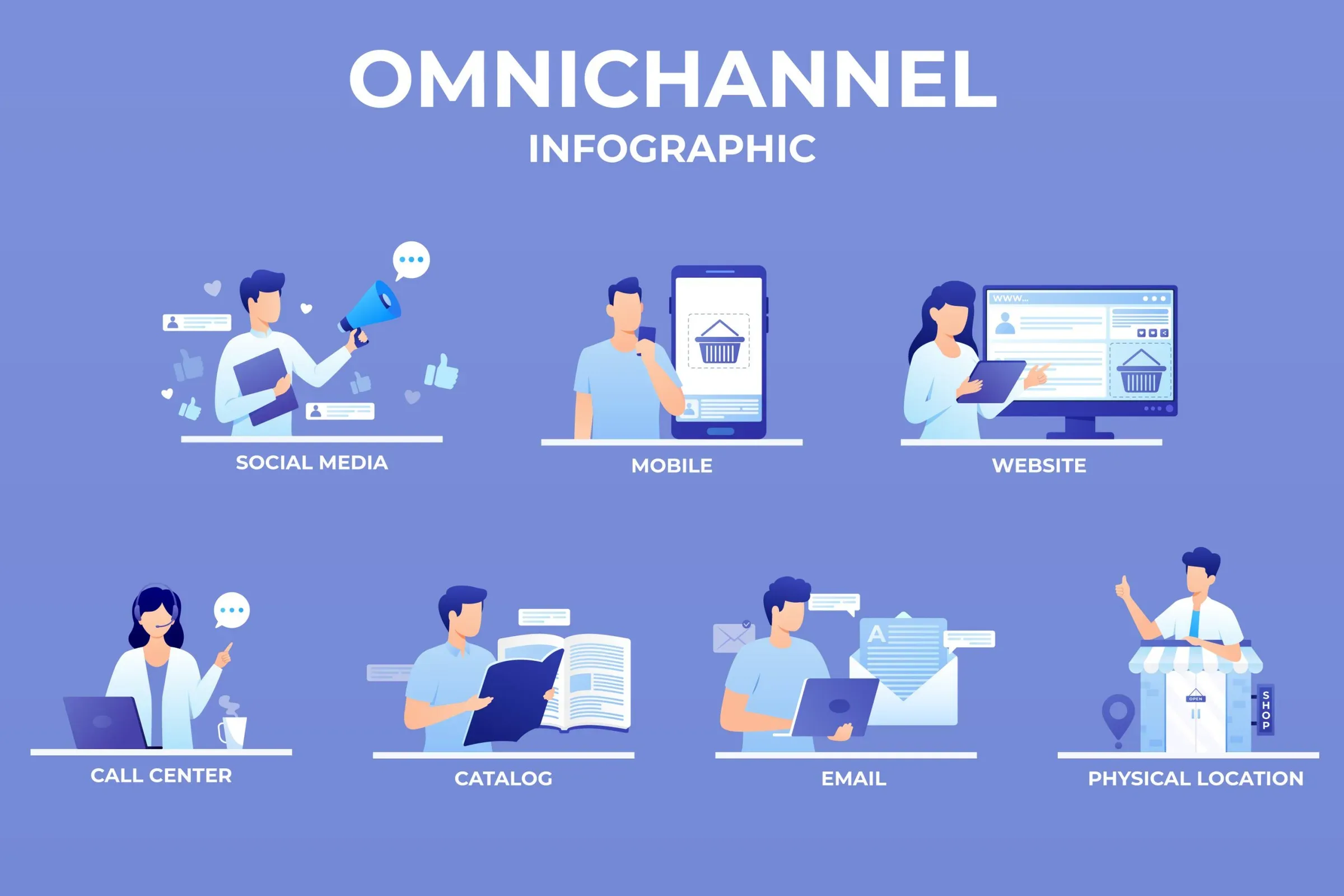
Omnichannel is a multichannel sales strategy — one that integrates different communication channels, platforms and devices, meaning any point of contact or interaction between a brand and the customer, with a brand experience that is integrated across distribution, promotion and communication channels, and a holistic approach.
More important than reaching the largest number of people through individual channels is working out which channels your persona is interacting with most, so you can place your brand at the intersections between them with a relevant offer.
A shopping experience that stands out and is easy. That's the biggest advantage of Omnichannel Marketing. It's what the customer wants and what this strategy delivers. Source: Freepik. Main benefits of an omnichannel strategy
Greater reach, by being present across every channel, platform and device. An improved customer experience that builds loyalty.
Higher customer satisfaction. It makes life easier for them and, at the same time, allows for more access to and collection of data, which gives you a better read on the customer's demographic and, above all, behavioural profile.
Continuous growth in brand awareness and higher profits in the digital environment. Because it's far easier and more convenient for customers to buy when they find your product or service across several channels and platforms.
All of this translates into personalisation (of the buying journey), trend analysis (of behaviour) and marketing automation (tasks and communication).
Today's customer behaves omnichannel
Consumer → Customer → Shopper → Omnishopper
Today's customer profile engages with their favourite brands in multiple ways across various devices, platforms and channels, always wanting a connected and consistent experience.
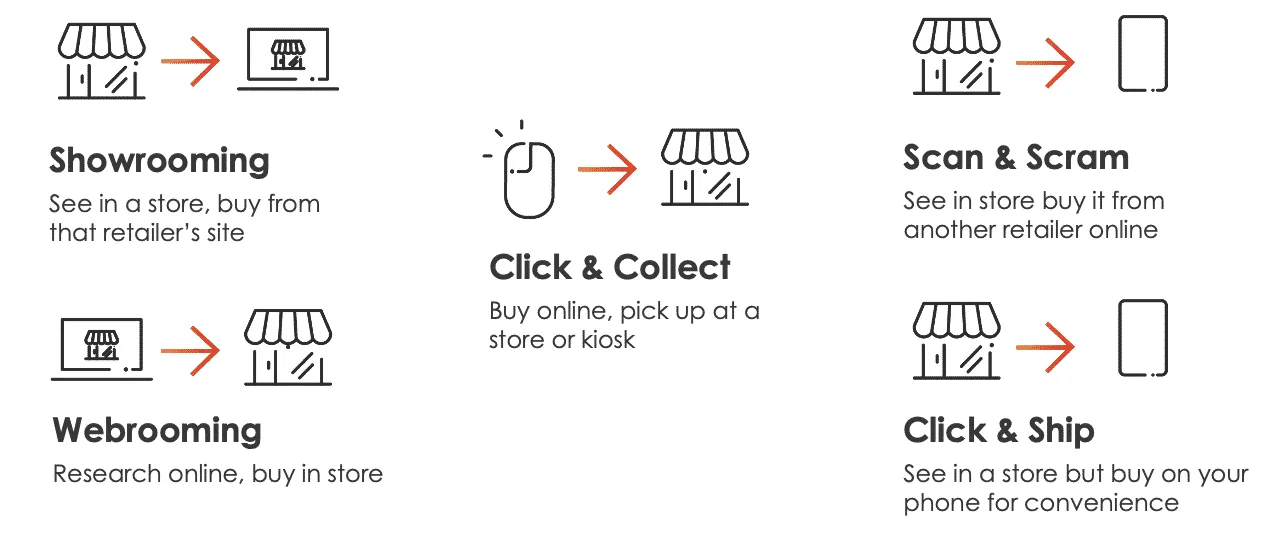
Criteo's Shopper Story 2017 study highlighted these behaviours in the North American market, and they still hold true today and are being seen in other markets worldwide:
- Showrooming: after seeing a product in store, the customer buys it on that same store's website;
- Webrooming: they research online before buying in a physical store;
- Click & Collect: buying online to pick up in a store or kiosk;
- Scan & Scram: seeing a product in one store and buying it online from another store at a better price;
- Click & Ship: buying a product online on their mobile while in the physical store, to be delivered to their home.
Source:
Criteo
3 reasons why omnishoppers are the most valuable consumers today
1. Omnichannel customers spend more
A 2020 Harvard Business Review study showed that omnichannel customers spend on average 4% more every time they're in a store and 10% more when shopping online, compared with those who interact with a company through just one channel.
2. Omnichannel customers are more loyal
It also showed that omnishoppers are more likely to come back. Customers who engaged with companies across several channels visited a physical store 23% more often over a six-month period.
3. Every generation likes omnichannel shopping, especially Gen Z and Gen Y (Millennials)
Criteo's 2020 Shopper Story research shows that younger generations display the highest levels of omnichannel shopping behaviour in the US:
- 83% of Gen Z and Millennials look up products online and then buy them in store; 81% shop online after seeing products in a retail store, either regularly or occasionally; Three in four (75%) Gen Z and Millennials reported that they regularly or occasionally order items online and then collect them in store.
- 83% of Gen Z and Millennials look up products online and then buy them in store;
- 81% shop online after seeing products in a retail store, either regularly or occasionally;
- Three in four (75%) Gen Z and Millennials reported that they regularly or occasionally order items online and then collect them in store.
How to implement an Omnichannel Marketing strategy
To begin with, the marketing, sales and customer service teams need to talk to each other and share data and information. Then, using the answers to a checklist of questions, draw up a unified plan for your marketing activity:
- Which communication channels are we using today?
- How are we using those channels? Are they integrated?
- Which channels are we not using yet?
- What message do we want to get across, regardless of where the audience is?
- What does our persona's buying journey look like? Does it go through more than one channel? If so, which ones?
- Where can we invest more to grow the audience we reach with omnichannel?
Omnichannel Marketing campaign
Website and Social Media
Have a website that works, is always up to date and is responsive (mobile-friendly). Reply to comments on blog posts and to messages sent through the website as quickly as possible. Decide which social networks are worth your brand being on, post consistently at a set frequency, and interact with users in the comments, private messages and story shares. So nothing slips through the cracks, use social management tools.
App
Consider building an app, if you have a reason to and if it makes sense for your sector and your product or service.
Solving problems at every stage of the process
Make sure the customer has an easy, satisfying experience.
A single, consistent message, adapted to each channel
For that, it's essential to create a consistent brand voice.
A call to action (CTA) suited to the device and the platform
Write a short, clear CTA that extends the customer experience, in line with the objective of the ad in question.
Some Omnichannel Marketing platforms
- HubSpot CRM: a complete marketing automation tool;
- Shopify: a robust e-commerce platform, but also a great Omnichannel Marketing tool;
- Active Campaign: a platform that combines a range of automation, marketing and CRM tools.
Essential tips for optimising your strategies
Segment your audience and tailor the messages to each group. This increases engagement and conversion rates. According to Notify Visitors' general segmentation statistics for 2023:
- 80% of people are more likely to do business with a brand that personalises their experience with it.
- The most common segmentation criteria are demographic, psychographic and behavioural data.
- Demographic segmentation is the most effective for B2C companies.
- Psychographic segmentation is the most effective for B2B companies.
- Behavioural segmentation is the most effective for e-commerce companies.
Continuously monitor and analyse every stage of the marketing funnel to spot gaps and make improvements.
Run A/B tests with different content to find out what works best and converts most.
Use marketing automation tools to save time, send personalised messages and keep engagement with your customers constant, driving up conversions.
An example of Omnichannel Marketing – Sephora
Beauty brand Sephora connects its customers' online purchases with their store visits. In store, it runs beauty workshops and makeovers, and lets customers use tablets to access their Beauty Bag account while they shop, so they can look up product details and try them on virtually using digital software. If they like something, they can add it to a wishlist and buy the whole list through the app.
“To succeed, marketers need to implement an omnichannel strategy that carries a unified message across the whole consumer journey, especially as consumers browse, shop and view content across more media than ever before. (…) Whatever the channel, brands and retailers must prioritise their first-party data strategy in order to keep delivering personalised advertising.” – Rory Mitchell, Managing Director, Americas, at Criteo
In short, Multichannel Marketing vs. Omnichannel Marketing
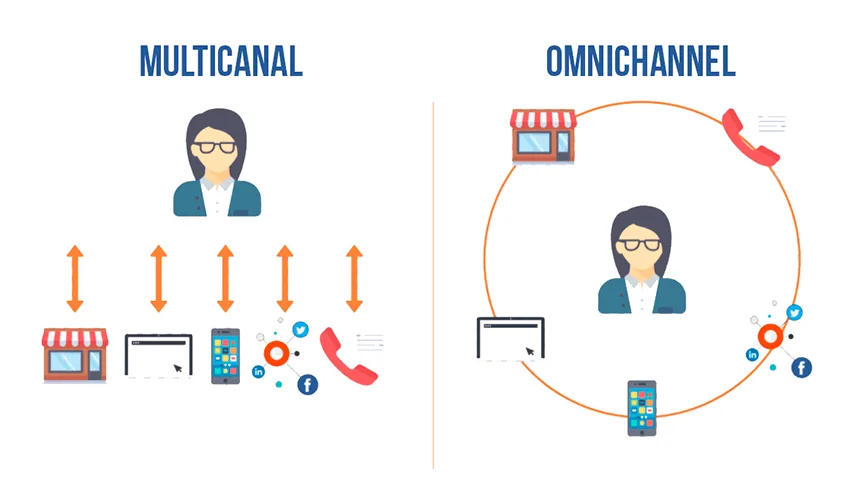
While Multichannel Marketing focuses on channels, Omnichannel Marketing focuses first on customers, their buying journey and their overall engagement with the brand. Source: SAN Internet. Using an omnichannel strategy shows that your brand is consistent and trustworthy, aims to give customers a unified, uninterrupted shopping experience, and is ready to meet their demands.
The future of Multichannel Marketing is Omnichannel Marketing
As things stand, Omnichannel Marketing delivers a better customer experience, greater brand engagement, more conversions and, as a result, more success for your business. Our advice is to build your own omnichannel experience infrastructure, working together with the various departments across your company.

Get what we write
No fixed calendar: only when there is something worth your time.