Neuromarketing: the fusion of neuroscience and marketing for an efficient strategy

Jelly – Digital Agency
Consumer behaviour is one of the biggest challenges in modern marketing. Neuromarketing has emerged as an innovative approach that pairs neuroscience with consumer analysis, making it possible to better understand purchase decisions and fine-tune advertising strategies.
With the evolution of
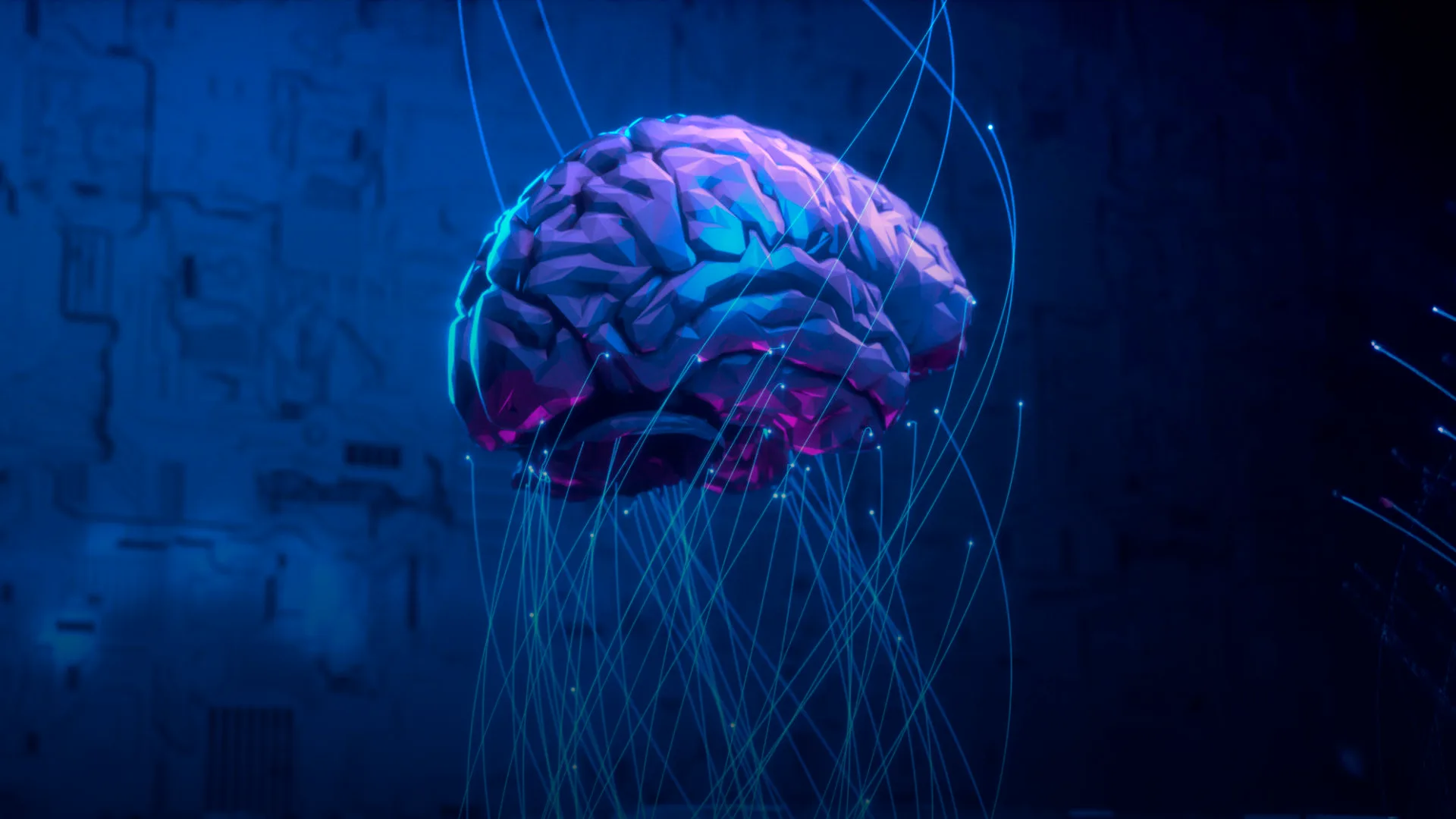
neuroimaging and behavioural analysis technologies, this field has been transforming the way brands connect with their audiences.
The science behind neuromarketing
Neuromarketing studies how the brain responds to advertising stimuli, using tools such as fMRI (Functional Magnetic Resonance Imaging), EEG (Electroencephalography), PET (Positron Emission Tomography), MEG (Magnetoencephalography), Eye Tracking, Galvanic Skin Response (GSR) and Facial Coding. These methods make it possible to map emotional reactions, attention levels and unconscious decision-making processes, delivering insights that traditional market research models simply cannot reach. The term “neuromarketing” was introduced by Professor Smidts of the Rotterdam School of Management in 2002. Since then, the field has evolved rapidly, drawing on advances in neuroscience, psychology and marketing. With these resources, brands can better understand which visual, audio and emotional elements influence consumer preferences. The effectiveness of these techniques has already been proven in campaigns by companies such as Coca-Cola, BMW, PayPal and Audi, all of which use these tools to test and refine their communication strategies. The impact on consumer behaviour
Neuromarketing findings show that purchase decisions are often driven by emotional and subconscious factors. Activating certain areas of the brain can influence how a consumer perceives a brand, determining whether they will be more inclined to choose a particular product or service. Companies that adopt this approach are able to develop more effective advertising campaigns, exploring the colours, formats and messages that resonate deeply with their target audience. Neuromarketing-based strategies also help improve the user experience, refining navigation on websites and in physical points of sale based on how consumers interact with visual stimuli. It is worth noting that cultural and demographic factors also have a significant influence on neural responses to marketing stimuli. Recent studies highlight that factors such as cultural values, age, gender and socioeconomic status significantly shape how consumers respond to neuromarketing strategies. A study published in the Revista de Administração, Sociedade e Inovação examined gender differences in the processing of neuromarketing stimuli and concluded that women tend to be more influenced by advertising than men. Meanwhile, research from the University of Málaga, using eye tracking and galvanic skin analysis, showed that the perception of brand attributes such as sophistication and sincerity varies according to gender, suggesting that men and women process information differently. These findings reinforce how important it is to adapt marketing strategies in order to reach different consumer profiles more effectively. Neuromarketing in practice: applying it to marketing campaigns

Putting neuromarketing into practice allows companies to develop sharper, more impactful strategies, adjusting campaigns and messages based on consumers' emotional and behavioural responses. Some widely used techniques include:
- Visual stimulus testing: with eye tracking and facial recognition, it is possible to identify which graphic and visual elements capture the most attention, allowing advertising layouts and designs to be adjusted for greater impact.
- Emotion analysis in video advertising: by reading facial expressions and galvanic skin response, brands can measure the emotional impact of their videos and pinpoint critical areas for optimisation.
- Message personalisation: analysing neural patterns makes it possible to tailor content to different consumer profiles, ensuring more effective, personalised communication.
- Packaging optimisation: by studying subconscious reactions to packaging, companies can create designs that spark desire and build an emotional connection with the brand. The visual identity of a package should be strong enough for customers to recognise it without needing a label.
- Tracking the shopping experience: EEG and fMRI are technologies that make it possible to identify moments of stress or frustration along the purchase journey, allowing the customer experience and product layout to be improved.
- Neuromarketing-driven A/B testing: applying neuromarketing insights makes it possible to create more engaging digital campaigns, experimenting with different strategies to determine which one resonates most with the target audience.
Neuromarketing as a strategy for differentiation and authenticity
In a saturated market, differentiation is essential if a brand is to stand out. Neuromarketing provides valuable insights into what creates a stronger emotional connection and greater consumer loyalty, allowing companies to build authentic, relevant identities. Creating memorable experiences – by studying the emotions associated with particular experiences, neuromarketing helps brands design campaigns that leave a lasting impact. Activating the limbic system, which governs emotions and memories, means certain brands are remembered and preferred at the moment of purchase. Strategic positioning and personalised communication – neuromarketing allows companies to understand what genuinely resonates with their consumers, adjusting messages so they are more authentic and aligned with their values. Rather than relying solely on passing trends, brands can build coherent narratives that reflect their essence. Impactful product and packaging design – eye tracking and emotional response studies make it possible to optimise product and packaging design, ensuring it conveys the right messages and sparks the desire to buy. Authentic brands stand out by offering products that not only meet the consumer's functional needs but also trigger a positive emotional response. Strengthening brand identity – authenticity is a decisive factor in consumer loyalty. Neuromarketing helps companies understand how to build genuine connections, exploring the symbols, colours and elements that reinforce brand identity and set it apart in the market. Improving the customer experience – by analysing the consumer journey, it is possible to identify points of friction and improve the customer experience across every touchpoint. Neuroscientific data can be used to fine-tune communication, customer service and even in-store product placement, maximising satisfaction and positive brand perception. Challenges and ethical considerations
Despite the advances, neuromarketing raises ethical questions that cannot be ignored. Using brain data to influence purchase decisions requires a balance between innovation and responsibility. Consumer privacy, transparency in how these technologies are used and the need for informed consent are fundamental principles that must be respected. Another concern is how accessible these techniques are. While large corporations are already applying these strategies, small and medium-sized enterprises (SMEs) still face barriers due to the high cost of the equipment and the complexity of the data analysis. The future of neuromarketing
Neuromarketing continues to evolve, driven by advances in artificial intelligence (AI) and big data. Personalising the consumer experience on the basis of neurological and behavioural analysis will become increasingly refined. Trends such as combining neuromarketing with augmented reality and predictive AI will make it possible to create more immersive campaigns tailored to each individual.
The Internet of Everything is revolutionising neuromarketing techniques, enabling real-time adjustments based on consumer feedback. The result is a substantial increase in advertising effectiveness and in the ability to respond to consumer needs. What is more, the field is expanding beyond traditional marketing. Several recent studies show neuromarketing being applied in areas such as politics, education and leadership, demonstrating the growing reach and versatility of the concept. As this field grows, it becomes imperative to establish clear guidelines for its ethical and accessible application. The future of marketing lies not only in understanding the consumer, but also in ensuring that this understanding is used responsibly and transparently.
In conclusion, then, neuromarketing represents a revolution in the way brands connect with consumers. Combining science and strategy creates a formula that paves the way for more effective campaigns and personalised experiences. Its use, however, must be guided by ethical principles and respect for consumer privacy. As well as making campaigns more efficient, neuromarketing is becoming a cornerstone of brand differentiation and authenticity. Companies that understand the emotional and cognitive impact of the strategies they adopt are able to build deeper, longer-lasting relationships with consumers. As technology advances, neuromarketing will continue to play a key role in building smarter, more impactful communication strategies, always taking into account the complex interplay of neurological, cultural and demographic factors in consumer behaviour.

Get what we write
No fixed calendar: only when there is something worth your time.