Principles to boost your company's email marketing
Email marketing is one of the most powerful digital marketing tools available to businesses, especially since the General Data Protection Regulation came into force.
Having people's consent to receive communications from your company straight into their inbox is precious. And of all the digital marketing tools out there, this is the one with the greatest organic reach and the highest conversion rates. That's why we're devoting this article to the subject and setting out a few ways to get more out of email marketing.
To begin with, build qualified mailing lists
If you're just starting out with your email marketing strategy, bear in mind that capturing lots of email addresses matters far less than capturing the email addresses of people who are genuinely interested in your brand. Otherwise, there's a very good chance they'll hit the unsubscribe button (which newsletters are required to include) on the very first email they receive from your company. That's why it's crucial to build a qualified mailing list from the outset. How? Depending on what your company offers, you can set up more or fewer steps before capturing the email address and signing the person up to the newsletter. As a rule, the more steps a user has to go through, the more likely they are to give up — but also the greater the interest they show in what you're offering. Running properly targeted lead generation campaigns, whether on Facebook Ads or Google Ads, is one of the most effective ways of capturing email addresses. Social media is also a good way to encourage newsletter sign-ups, since your followers have already shown an interest in your brand by following it.
When building it…
Personalise to engage
Personalising an email can be as simple as opening with the name of the person reading it. A “Hi Rita!” instantly and unconsciously creates the closeness you're after with the reader.

After that empathetic opening, the content of the email needs to be relevant and deliver value to the reader. Within a content marketing strategy, you can use this tool to play on a sense of exclusivity or first-hand access to make your content feel even more valuable. This can work particularly well for e-commerce projects, with “private sales” or early collection launches, because these are the kinds of things customers appreciate. It's important, though, to keep the communication balanced so it doesn't become overly commercial and pushy.
Give the email somewhere to go
Always finish with a call to action; don't leave readers who want to know more about your content or your offer without direction. Newsletters should be seen as a gateway to landing pages, where the user is prompted to convert (read a full article, watch a video, share their opinion through a survey, buy something…)
And what if the reader wants to share an opinion, ask a question or make a suggestion in reply to the email? Make sure they can. Avoid “no.reply” addresses. Whenever there's any chance of dialogue and interaction with customers or potential customers, it shouldn't be wasted.
The subject line is the soul of the email
If the newsletter were a book, the subject line would be the cover. This short message determines whether the email gets opened at all. For a subject line to be interesting and appealing enough, it has to be original and reflect the content of the email. You want to avoid the reader feeling let down once they open the newsletter and realise the subject line was misleading. Format matters too: 40 characters or 7 words is the recommended length for an email subject line. Remember that your message may be read on all sorts of devices, running different operating systems. That needs to be taken into account right from the subject line, since it may not be displayed in full, especially on mobile.
mobile first
Studies show that more than half of users open and read emails on mobile devices such as tablets or smartphones. It's therefore essential that your email content is adapted to mobile formats, with a responsive design and no great blocks of text.
Before sending, segment
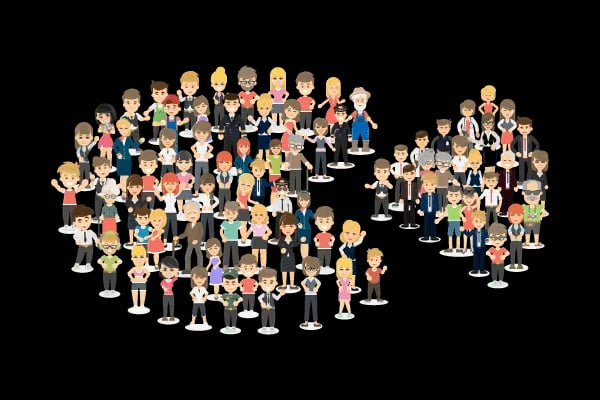
Before you send, think about which persona your email might appeal to. It's easy to conclude that your email content will be of interest to every customer and follower, but the exercise of segmenting can lead to some very interesting results. Choosing a particular audience based on socio-demographic characteristics (age, gender, location…) or more personal ones (hobbies, tastes, interests…) and sending them something they actually care about increases open rates, click rates and, as a result, conversion.
Think of segmentation as an effective way of nurturing your leads by delivering relevant, targeted content to them.
To get hold of this kind of information, though, you need to ask the questions you want answered at the very first stage of the process (covered earlier in this article): capturing qualified leads.
Frequency and planning go hand in hand
Finding the right frequency for sending newsletters is a challenge; it all depends on the content you have available (with a sense of novelty and relevance) and on how interested readers are in that content. Either way, avoid sending daily newsletters (unless it's a news project or something else that, by its very nature, genuinely requires daily communication with your audience).
Strategic planning plays an important role here, as it allows you to prepare the format and content of your newsletters in advance and to keep to the frequency you want.
Finally:
Optimisation is the key word
Metrics are essential for drawing conclusions from your results and improving. What's the best time to send the newsletter? What kind of subject line wins the most opens? Are the social media buttons bringing in new followers? These are questions that can only be answered through continuous, comparative analysis of your email marketing metrics. It's worth paying particular attention to the following: open rates, click rates and changes in list size (the balance between contacts gained and unsubscribe requests).
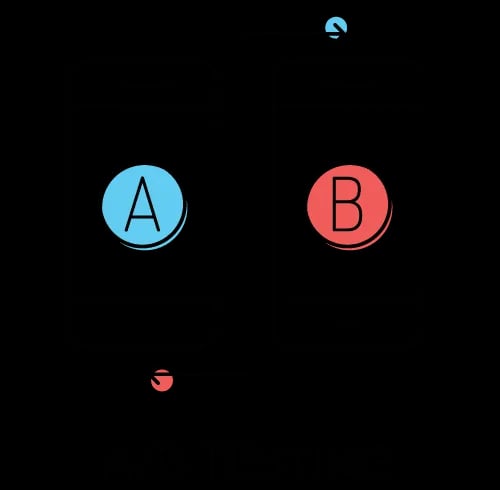
There's a rather useful practice that can get you to conclusions faster: A/B testing. It involves sending practically the same email with one small variation and seeing which of the two performs better.
In any case, with time and a large enough number of campaigns sent, improvement is possible. And after that improvement, it will be possible to improve a little more. It's a process that never ends, but one that helps your company achieve increasingly satisfying results.
Get what we write
No fixed calendar: only when there is something worth your time.