Streaming Platforms: a solid present, a fragmented future
Catarina Alves de Sousa – Social Media Manager – Streaming is here to stay and – apparently – to multiply. Our consumption habits are being shaped by a range of streaming platforms and we, as users, are increasingly happy to embrace the shift. Let's not talk about streaming as something new; after all, it's been with us for years, we've only just started to realise that it has settled into our lives for good. But before we go any further, let's remind ourselves what streaming actually is. So how do we predict the future of the technology and the next big step? The answer may be easier than it seems: by going back to the beginning, to some extent. More specifically, by going back to using our voice.
Catarina Alves de Sousa – Social Media Manager – Streaming is here to stay and – apparently – to multiply. Our consumption habits are being shaped by a range of streaming platforms and we, as users, are increasingly happy to embrace the shift. Let's not talk about streaming as something new; after all, it's been with us for years, we've only just started to realise that it has settled into our lives for good. But before we go any further, let's remind ourselves what streaming actually is. So how do we predict the future of the technology and the next big step? The answer may be easier than it seems: by going back to the beginning, to some extent. More specifically, by going back to using our voice. Streaming is a method of transmitting or receiving data (particularly audio or video) over a computer network as a steady, continuous flow, allowing playback to start while the remaining data is still being received.
In other words, you don't need to download the files to play them, and they'll be available on demand whenever you fancy watching or listening to them.
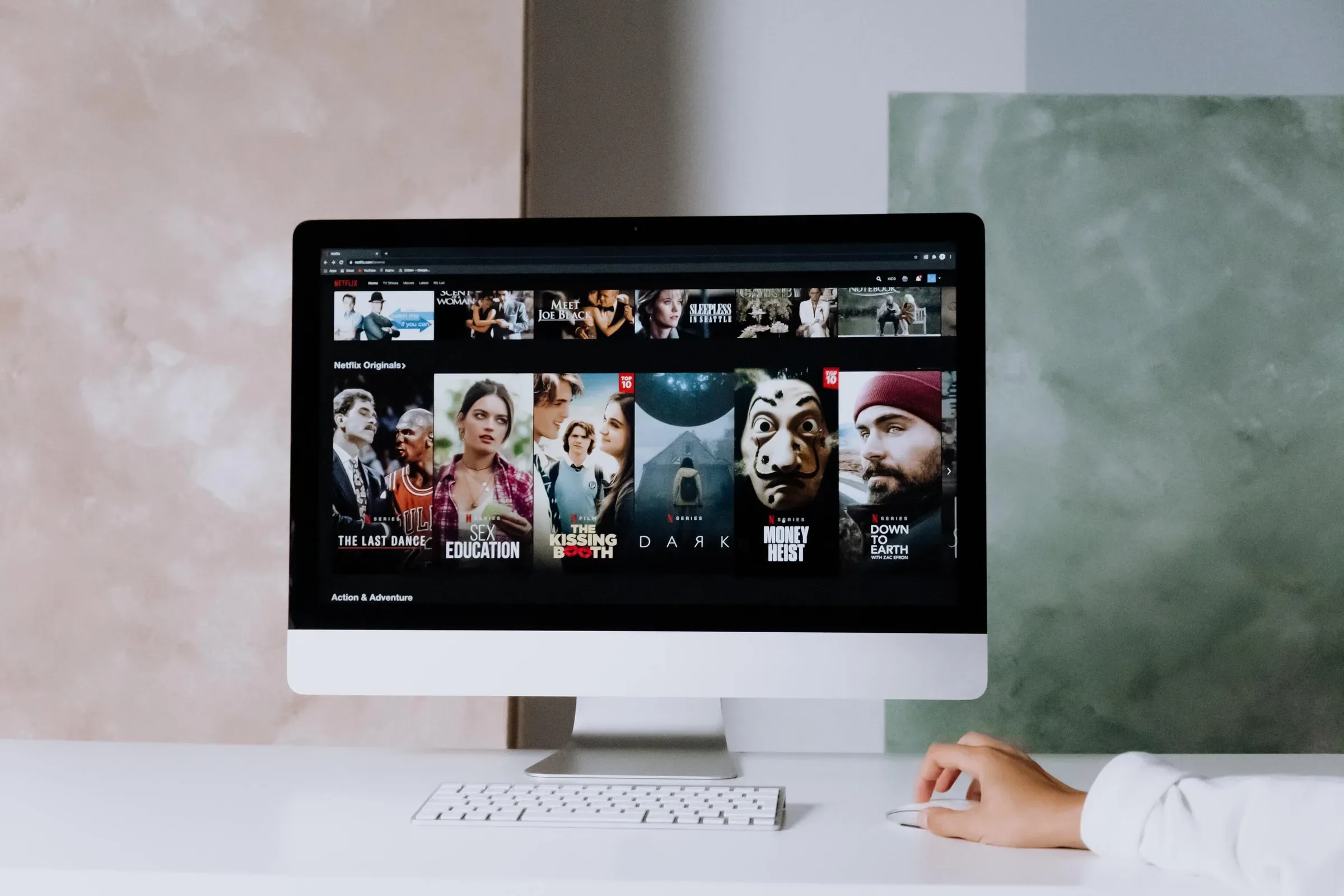
These days it's impossible to think about streaming without automatically thinking of the giant that is Netflix, but a large share of the content consumed this way actually comes via YouTube, with 230.6 million monthly users, comfortably ahead of Netflix's 177.7 million.
The Pros and Cons of Streaming
The convenience of being able to watch and listen to whatever we want a few clicks away is undeniable and unprecedented. Remember when you were a child and had to wait for your favourite programmes to come on television? Remember waiting impatiently for the exact broadcast time? For children of the new generation, that may be far too distant a memory (if they have it at all). Streaming puts our content of choice at our fingertips, in most cases instantly and ready to watch whenever we want.
This is one of the biggest advantages of streaming: the convenience and the fact that we can consume content at our own pace, without it being monopolised by television channels. That said, we've created a flip side to that coin through binge-watching, the compulsive viewing of series. The difference is that the time we spend watching is our own choice as consumers.
It's interesting that almost every advantage of being a consumer of streaming platform content can be countered with a disadvantage.
Having unlimited access to virtually endless content can cause:
- an unhealthy distraction from tasks, studies or work;
- social isolation (although, during the pandemic and lockdowns, Netflix and the like substantially improved the time we were forced to spend at home);
- the neglect of other hobbies;
- “decision fatigue”, a term that captures the idea that, when faced with too many choices, we end up damaging our ability to make the right choices in contexts far more decisive than picking what to watch on a streaming platform.
Now that we've laid out some of the less positive aspects, let's look at why the world is so obsessed with the world of film and series streaming:
- as we've already mentioned, we can watch what we want when we want;
- we can explore new series and films with no strings attached;
- we get to discover stories, languages and cultures we'd otherwise be unlikely to come across;
- broadly speaking (and individually), streaming platforms are affordable;
- the customisable side is very appealing, especially for Millennials and Gen Z.
The whole world one click away
Greg Peters, COO & Chief Product Officer at Netflix, said at WebSummit 2018 that:
Great stories can come from anywhere and can travel everywhere.
The remark was made in relation to the internationalisation of series, films and documentaries made in parts of the world that generally never achieve recognition elsewhere on the globe. Until recently, only big Hollywood-style productions reached high levels of fame and recognition, but thanks to Netflix's pioneering bets on series such as Germany's Dark, Spain's Money Heist, South Korea's Squid Game or France's Lupin, the platform's subscribers (a sizeable percentage of the world) have been able to immerse themselves in stories and cultures that, while not their own, have certainly enriched them in unforgettable ways.

And speaking of pioneering bets in the world of streaming, what about producing original content with the Netflix stamp on it?
Netflix: past and future
1997 Marc Randolph and Reed Hastings founded Netflix as a film rental company 2007 The move to streaming takes place 2017 First Netflix production to win an Oscar (The White Helmets)
Netflix's story as a pioneer among the big platforms is frankly admirable and, to date, it still tops the table in terms of user numbers. Even so, 2022 was also the first year in which Netflix's global subscriber numbers fell. Growing competition from other platforms is one of the reasons, with names such as Amazon Prime, HBO Max, Disney+, Hulu and Peacock fiercely competing for Netflix's customers.
The truth is that the Netflix subscription model ended up paving the way for more people to explore other streaming companies. We now know that 41% of Netflix users access the platform through an account paid for by another user, whether inside or outside their home or household. Source: Pexels – Johnmark Smith In practice, what ends up happening is that some of those same users create accounts on other platforms and share the passwords with the users who shared their Netflix one with them. It's certainly a way of saving money and multiplying the amount of content you can access, but the streaming giant has already started planning its “revenge” and, in 2023, Netflix is expected to launch a new, cheaper subscription tier with advertising. On top of that, it will start charging account holders extra fees if it detects password sharing with other users.
Streaming vs. Television: that is the question
When it comes to the quality of programmes, series and films, it's not that television is getting worse. However, there's one very powerful factor that determines the vast majority of users' choices when the options are a streaming platform or television: time.
Time is the real currency of modern life, our scarcest asset. Ultimately, it's what we work for: to have it with those we love most, or to have more of it to devote to our real passions. It's been a long while since we lived in an era where we had to wait patiently for episodes of the programmes we followed on television.
Thanks to the ability to record programmes on our set-top boxes. On the other hand, we can still burn a lot of time channel-hopping in search of something interesting to watch.
On a streaming platform, everything is right in front of us the moment we open it; a whole world of programmes with their cover art and brief summaries giving us almost all the information we need before we even give them a chance. On top of that, there are the recommendations, the personalisation of content, which makes us feel like we're walking into a genuine gallery of content curated just for us — except that instead of a human curator, there's an intelligent algorithm learning from our choices and ratings
Hammering another nail into television's metaphorical coffin, the streaming platform with the most users in the world – YouTube – will be launching something new in the coming weeks: a TV-inspired redesign. Alongside dark mode, there will be new rounded buttons to encourage likes and channel subscriptions, as well as a new option to zoom in on the details of a video.
Broadly speaking, these small details will make a subtle but impactful difference, not only to viewers' daily lives but also to the results of the creators who publish content on the platform.
Engagement and user experience combined with the comfort and nostalgia of the TV experience, but with more control.
Among the many conveniences in the form of new design developments YouTube will be rolling out over the coming weeks, users can now choose a point in the video by sliding the bottom bar with their thumb, without triggering a load of other distracting controls.
Ultimately, that's what streaming is increasingly delivering to users: more time and more control over what they choose to watch.
So, is this the future?
Well, part of it, yes; the fight for the user's attention will not only continue, it will intensify, and the question “Are you still watching?” will be put to us by more and more platforms halfway through the sixth back-to-back episode of whichever series we're compulsively devouring.
And speaking of platforms, it's quite likely that – over time – consumers of this kind of entertainment will drop their loyalty to streaming brands or companies and increasingly chase unmissable titles instead; if Stranger Things stays on Netflix, that's one subscription; if House of the Dragon and Euphoria stick with HBO Max, there's another. On another note, the future is – at the very least – interesting. If the current landscape is what it is, with everything on offer and new streaming platforms popping up like mushrooms, just imagine the future… And the future we're talking about isn't necessarily far off. Innovation, like life itself, seems to move at supersonic speed, so we're expecting genuinely exciting developments very soon. Source: How to Geek Of one thing we're certain: the future is guaranteed to be fragmented and, yes, streaming platforms are definitely here to stay and to multiply, with this expected to remain an expanding industry, forecast to be worth 330 billion dollars by 2030.
Until then, are you still watching?

Get what we write
No fixed calendar: only when there is something worth your time.