The power of influence: the continued rise of Influencer Marketing in 2023

Catarina Alves de Sousa – Social Media Manager & Content Writer –
As the digital landscape keeps evolving, so does the world of marketing. One strategy that has proved its worth and is expected to be one of the most powerful marketing tools of 2023 is – and remains – influencer marketing.
It's hard to pinpoint exactly when influencer marketing became a strategy widely adopted by brands, but it's easy to see why it's still around: the positive (and profitable) results it has delivered for businesses.
Catarina Alves de Sousa – Social Media Manager & Content Writer –
As the digital landscape keeps evolving, so does the world of marketing. One strategy that has proved its worth and is expected to be one of the most powerful marketing tools of 2023 is – and remains – influencer marketing.
It's hard to pinpoint exactly when influencer marketing became a strategy widely adopted by brands, but it's easy to see why it's still around: the positive (and profitable) results it has delivered for businesses.
influence marketing
influencer marketing
), or
creator marketing
creator marketing
), as it's increasingly being called, drives brand growth right across the purchase funnel. Companies have been making the most of online and offline influencer strategies for years, but 2023 looks set to take this strategy to a whole new level of potential.
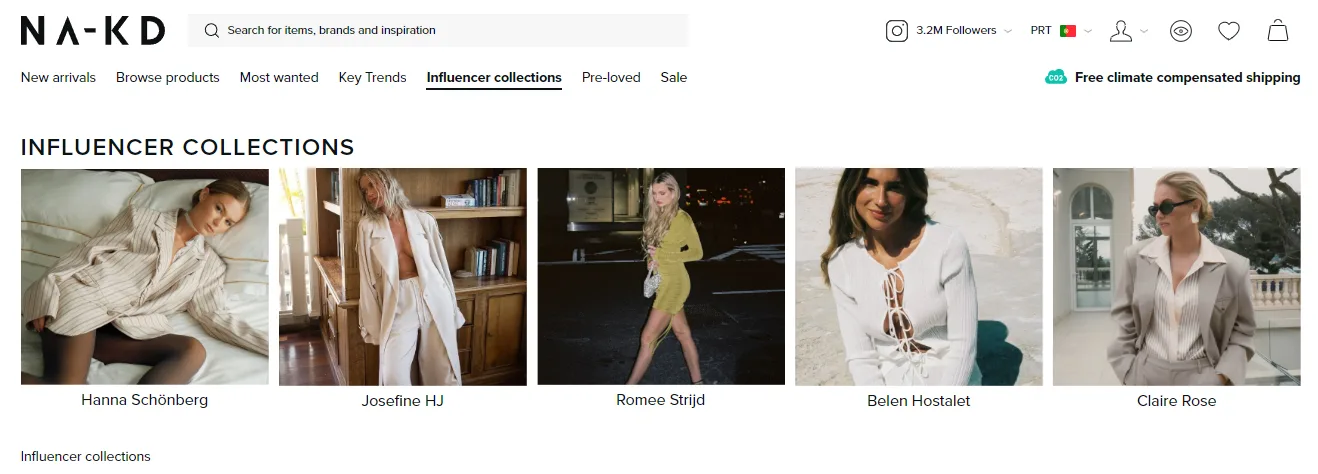
In 2023, influencers aren't seen merely as promoters, but above all as storytellers and even creative directors. They have full control over content creation and brand communication, thanks to their deep understanding of social platforms and audiences. Some companies have even started formally hiring well-known influencers as part of their marketing leadership team. One example of this trend is Kate Moss, who became Creative Director of Diet Coke late last year.

“The era of creators as creative directors has arrived and it's here to stay. This trend is an evolution of the product marketing collaboration model, positioning creators as innovators on behalf of brands. This model won't wipe out the influencer marketing modes that came before it. It's an extension of how brands and influencers are working together.” – Sadie Schabdach, Dentsu Creative evp of influencer marketing
Alongside the growing role of influencers in companies' marketing strategies is consumers' use of social media, which shows no sign of slowing down.
Brands with a well-defined influencer strategy, making the most of every type of content creator with measurable objectives across all channels, are set to reap the greatest rewards. But what are the reasons – beyond time spent on social media – that keep influencer marketing making an impact? Let's look at a few possible explanations.
1. Consumers identify with influencers
There are obvious benefits to hiring celebrities to promote products. As well as being well-known, glamorous figures, they're highly aspirational. That said, if a famous actor posts content saying they pop cute little notes into their children's lunchboxes every day, people probably won't buy it, because it sounds like a commercial claim that doesn't fit their lifestyle.
But swap that actor for an influencer who's a mum or dad and consumers tend to find the scenario far more believable — and they're more likely to follow suit.
Audiences generally see influencers as more approachable. Many reply to the messages followers leave on social media, and that interaction reinforces the sense of accessibility.
2. Influencers can deliver a better ROI
When a Hollywood star advertises an eye cream in a TV ad or a magazine, sales of that cream will very likely go up – but it's hard to say by how much. What's more, the uplift probably won't be immediate. Influencers, on the other hand, generate sales conversions through direct links, which means companies can see a faster return on their investment and know exactly how much that particular influencer generated.
Since many influencers work independently, brands also save money when there's no agency representing them — in other words, when everything is handled directly with the influencer.
3. Influencers build more authentic connections with diverse audiences
Because influencers have followers from specific demographics, brands can use them to reach equally specific segments of their customer base. Consumers click on links shared by their favourite influencers because they see them as authentic.
Influencers can also be more creative. As they produce fresh content that usually comes from the heart (or from their innate authenticity), their fans don't assume the content came from a brand-issued script.
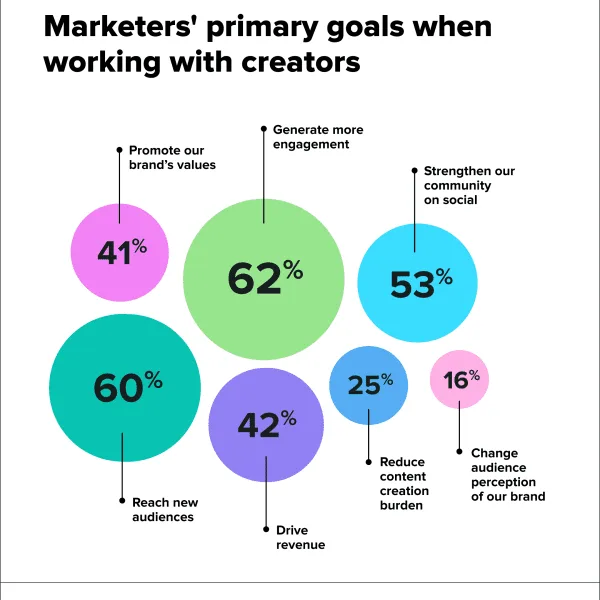
Work with influencers, absolutely! But… you need to know how to choose them.
There's no arguing with the facts, and with so much evidence of this marketing strategy's effectiveness, there's little or no doubt left that it works. But how can brands know which type of influencer to back? There's no one-size-fits-all here, and it pays to study the influencer landscape and influencer marketing trends in order to suggest the perfect match between influencer and brand.
What to bear in mind when choosing the influencer best suited to your brand:
- Relevance to your target audience: look at their demographics, interests and the type of content they produce. Make sure their audience matches your brand's target audience.
- Alignment with brand values: assess whether the influencer's personal brand aligns with your brand's values, image and messaging. Review their previous collaborations and content to see whether they've promoted similar products or expressed views that sit well with your brand.
- Authenticity and credibility: assess the influencer's authenticity and credibility. Consider their engagement rates, follower growth patterns and interaction with their audience. Look for influencers with genuine connections to their followers who maintain high-quality engagement.
- Content quality: examine the quality of the influencer's content, including production value, creativity and storytelling ability. Make sure the content style matches your brand's aesthetic and tone.
- Performance metrics: examine the influencer's performance metrics, such as reach, impressions, engagement rates and conversion rates on sponsored content. Assess the impact they have on their audience and how effectively they drive actions or sales.
- Reputation and behaviour: research the influencer's reputation and behaviour thoroughly. Look out for any controversies, ethical concerns or inconsistent messaging that could reflect badly on your brand.
- Long-term potential: consider the influencer's potential for a long-term partnership. Building lasting relationships with influencers can lead to greater brand affinity and more authentic endorsements over time.
- Micro-influencers and niche specialists: don't overlook micro-influencers or niche specialists who may have smaller but highly engaged audiences in your target market. This kind of smaller influencer can offer more specialised influence and build deeper connections with their followers.
Remember to research and vet potential influencers carefully before making a final decision. By weighing up these factors, you can find an influencer who not only aligns with your brand's principles but also communicates your intended message effectively to your target audience.
Something else worth remembering is that “influencer” is now a profession, and it's actually called content creation. As content creators, influencers are launching their own brands and products and building large communities. In short, they're earning more money than ever in this new profession and, more than that, they're gaining creative confidence. Today's content creators know their worth and rightly demand to be (well) paid for their work and for access to their communities.
Brands therefore need to adapt to this new landscape and be ready to reward the influencers who generate so many sales for them.
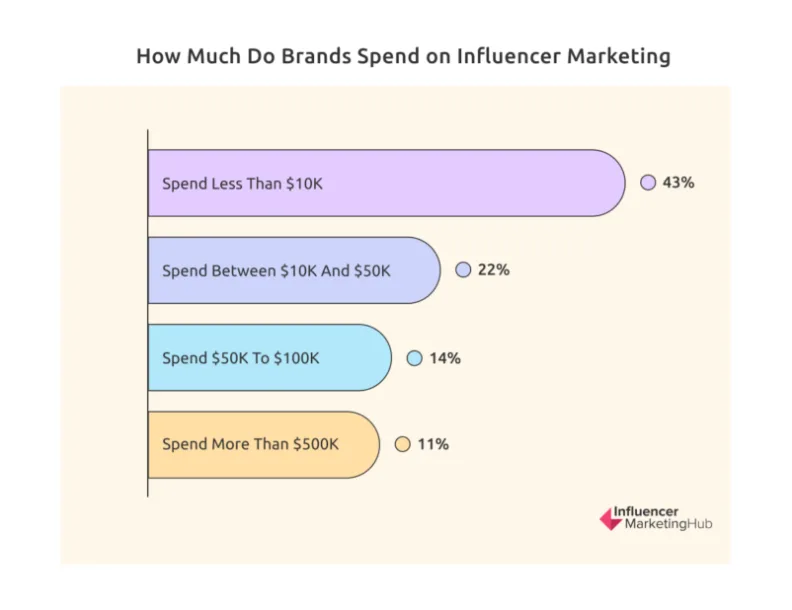
Influencer Marketing trends in 2023
In an ever-changing digital landscape, influencer marketing remains a powerful strategy for brands looking to connect with their target audience in authentic, impactful ways. So let's explore some of the trends in this area for 2023.
1. Instagram and TikTok remain the leading platforms for influencer marketing;
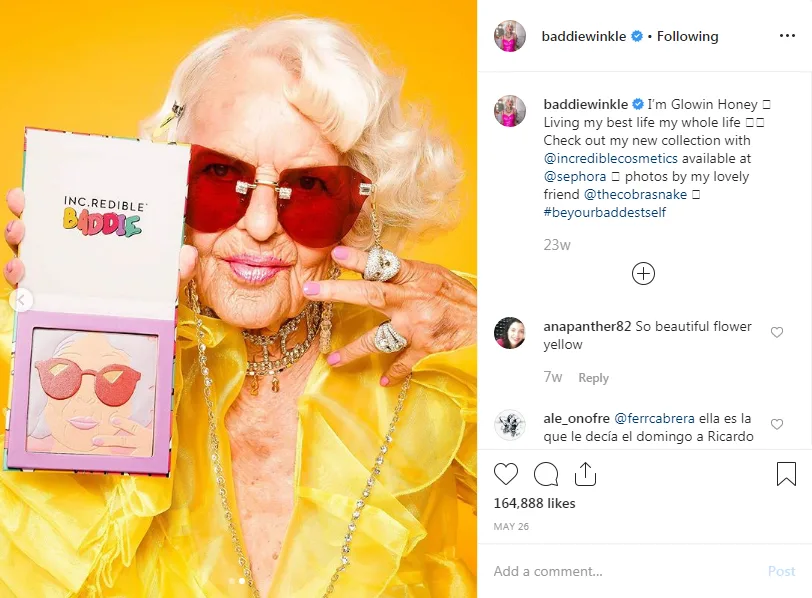
2. Diversity and representation are strong trends to keep an eye on;
3. Long-term collaborations between brands and influencers (rather than several influencers in one-off campaigns);
4. Brands leveraging micro-influencers for macro results;
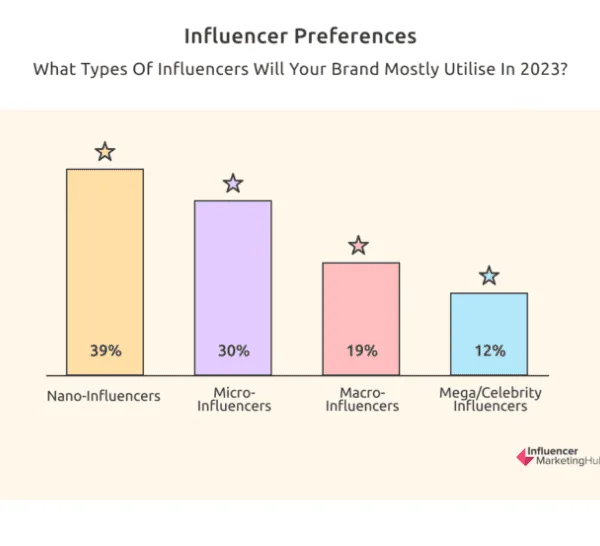

Source: Influencer MarketingHub
5. Content featuring company employees (bringing a human touch to content that was once corporate);
6. UGC (User Generated Content) is here to stay;
7. Video is stronger than ever;
8. Content is king, paid content is queen (authentic content, yes, but with a boost: by sponsoring influencer content through paid advertising, you'll find it easier to cut through the noise and capture your target audience's attention without interrupting the user experience);
9. Live shopping – influencers are now showcasing their favourite products in real time so their followers can interact in real time too;
10. Product co-creation between brands and influencers.
11. “De-influencing”
This trend started on TikTok and has been spreading to other social networks, marking a significant shift in how we look at influencer marketing. It's a trend that puts the spotlight on influencers and everyday users sharing products they bought but ended up finding unnecessary or ineffective. The shift is driven above all by growing distrust of influencer recommendations. “De-influencing” is a call for authenticity and accountability, showing that audiences value truth and transparency. Although it may look like a rejection of influencer marketing, “de-influencing” actually represents an evolution of it. Influencers are learning to “de-influence” in order to win back their audience's trust before promoting another purchase. This trend underlines the need for influencers to take a more authentic stance and for brands to focus more on building lasting relationships with consumers.
It's definitely worth investing the time to find the right influencer/content creator. They can work wonders for your brand for less money – and with a more natural feel. Do follow our short guide to finding the perfect fit for your brand, and remember to back emerging creators (micro or nano influencers) you can see yourself working with over the long term, for a profitable relationship that benefits both sides. One final tip: bear in mind that an influencer who genuinely likes your product will promote and champion it with real passion — and that authenticity is exactly what brands are looking for.

Get what we write
No fixed calendar: only when there is something worth your time.