TikTok: creativity or control? The less visible side of the app shaping a generation
Jelly – Digital Agency
TikTok has revolutionised digital, taken over screen time and become one of today's most influential spaces for younger generations. All thanks to an addictive experience, a precise algorithm and an irresistible promise of creative freedom.
But is that freedom really being offered, or carefully managed?
What started as an app for short, entertaining videos has evolved into an ecosystem where entertainment, education, consumption and activism all meet,
but also
an invisible laboratory of behavioural conditioning
, with a direct impact on how young people think, feel and act. This article looks at the
real power of TikTok, what is shaping the behaviour of younger generations and why this influence deserves urgent reflection.
Creativity centre stage: the platform of Gen Z and Gen Alpha
For many young people, TikTok has become the go-to space to experiment, learn and show who they are. Its popularity among Gen Z (1997-2012) and Gen Alpha (post 2013) is no accident: it is a platform that values uncomplicated creativity.
What makes it so appealing?
- Accessible tools: video editing, filters, viral sounds, automatic captions and creative effects within everyone's reach.
- Decentralised production: any user can be a content creator, with the potential to go viral regardless of follower count.
- A space for identity: it allows people to explore their own values, tastes and ways of being, creating micro-communities and digital tribes.
Today, young people use TikTok for everything, from showcasing artistic talent to sharing everyday experiences or debating social causes such as mental health, feminism, climate justice or racial equality.
The other side of the coin: conditioning and addiction
Despite its creative and educational potential, TikTok is also an advanced example of algorithmic engineering with a direct impact on user behaviour. The explanation behind such deep immersion in TikTok also lies in its effect on the brain. The human brain's reward system, driven by the release of dopamine, plays a crucial role in this process. Dopamine is a neurotransmitter associated with pleasure, motivation and gratification. Every interaction with the platform, whether a like, a comment or watching a new video, activates this reward system, leading to a continuous cycle of gratification and positive reinforcement. This constant activation of the dopamine system creates a highly addictive environment, in which users want more interactions, more videos and more content. TikTok exploits this behaviour effectively, offering an endless experience, with short videos and an uninterrupted flow of new content. This creates a feeling of being “always connected”, leading users to spend hours on the platform. This process is not just an example of entertainment, but also of psychological dependence, which particularly affects young people, who are more susceptible to these reward cycles.
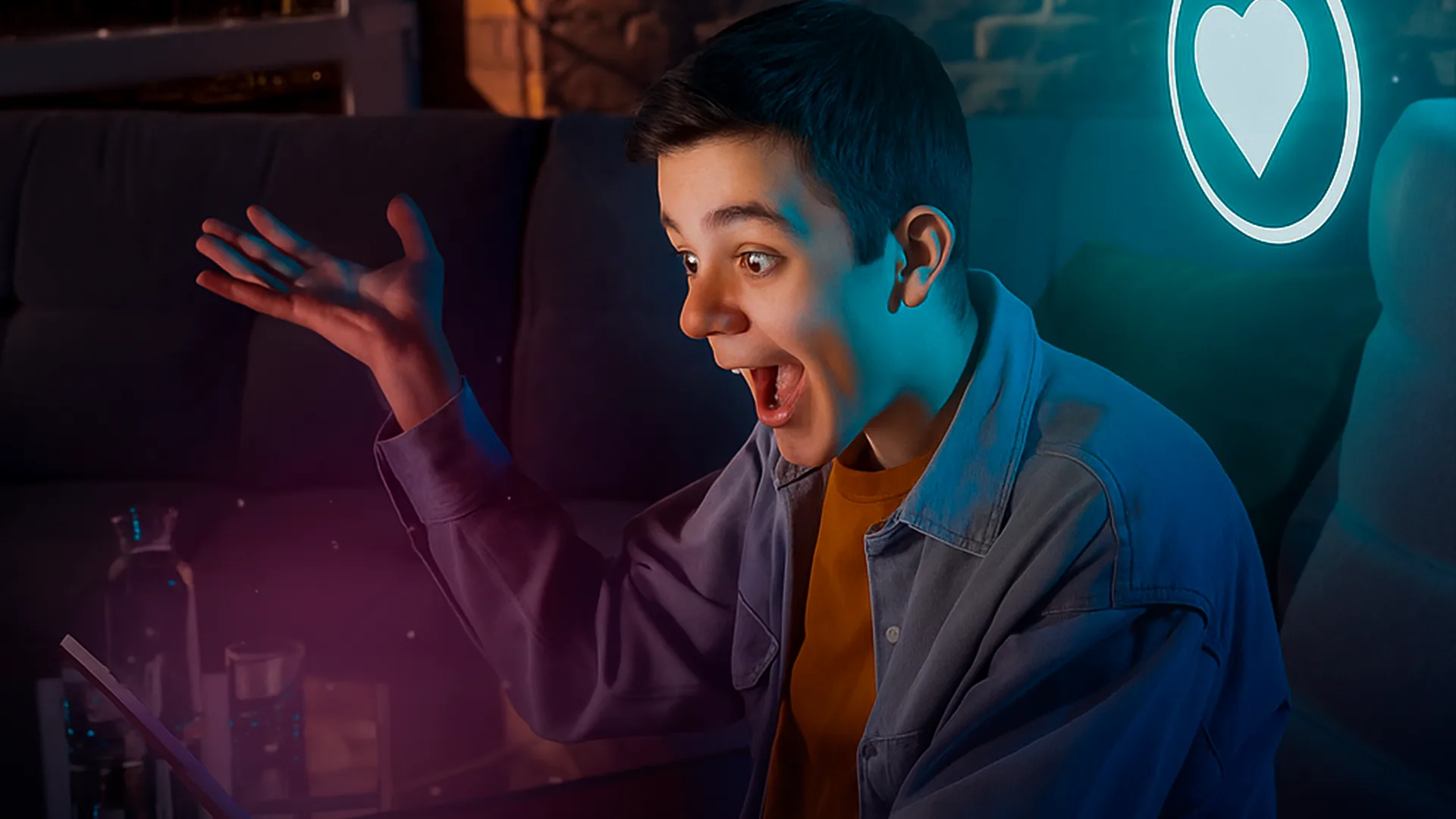
This cycle of instant gratification has stronger effects on brains that are still developing, such as those of Gen Z and Gen Alpha, making self-regulation harder, encouraging excessive consumption and, in some cases, affecting mental health.
TikTok's influence on Gen Z and Gen Alpha
TikTok has been particularly impactful on younger generations, such as Gen Z (born between 1997 and 2012) and Gen Alpha (born after 2013). These were the first generations to grow up in a digitalised world, where social media plays a central role in their lives. For them, TikTok is not just an entertainment tool, but a way to learn, communicate and even discover the world.
With its visual, interactive approach, TikTok is a platform that captures attention effectively. The video format allows information to be conveyed in a concise, dynamic and emotionally engaging way. This is especially appealing to Gen Z, who prefer quick, easily digestible content. Unlike long pages of text on Google, TikTok offers an experience in which every second counts, keeping young people focused and interested. The platform also has a profound impact on the buying and consumption behaviour of younger generations. It is constantly driving new trends in fashion, beauty and even food, with young people following influencers who share their experiences of products and services. This has a major influence on the consumption choices of younger audiences, who look for authentic references rather than traditional advertising. One example of this phenomenon is BookTok, a hashtag used by young content creators to share opinions, recommendations and reviews of books. The impact has been so significant that many bookshops have created sections dedicated exclusively to the books that have gone viral on the platform, making it easier to find the titles that have gained prominence thanks to these videos.
Consumption and influence: a new emotional marketing
TikTok has established itself as a highly effective engine of consumption, where marketing takes on an emotional and often impulsive dimension. Influencers act as genuine lifestyle “curators”, and the authenticity they convey is often valued more than highly polished productions. The influence goes beyond simple recommendation: a single viral video is enough to sell out products, fill restaurants or turn unknown books into bestsellers. The platform makes this behaviour even easier through integrated shopping with affiliate links and native ads that make the buying process almost instant. This combination of emotional closeness, social recommendation and ease of purchase creates a highly stimulating consumption environment, in which young people in particular prove more vulnerable to impulse buying and the pressure to follow trends.
Mental health: between constant stimulation and anxiety
The relationship between TikTok and young people's health is one of the most sensitive and worrying areas when analysing the impact of this app. Although the platform offers opportunities for expression, discovery and learning, it also raises serious questions about the physical, emotional and mental well-being of its youngest users.
The fast pace of content consumption, combined with the search for validation through likes and views, can cause high levels of anxiety, social comparison and low self-esteem. Many young people end up measuring their personal worth by how their videos perform, developing an emotionally dependent relationship with the platform. On top of that, the excess of visual and audio stimuli can overload the brain, making concentration harder and increasing stress levels.
Prolonged use of the app, especially at night, is associated with sleep disturbances such as difficulty falling asleep, fragmented sleep and daytime tiredness. The pattern of continuous consumption, particularly with the infinite feed, delays bedtime and interferes with biological rhythms. At the same time, the constant consumption of short-form content can undermine sustained attention, which is essential for learning and academic performance.
Although it promotes diversity in some respects, the platform is also full of trends that reinforce unrealistic beauty standards. Videos about “miracle diets”, “perfect bodies” or extreme physical challenges circulate easily, often without any moderation or proper context. This can worsen body image issues and contribute to the development of eating disorders, especially among adolescents at a stage of greater emotional vulnerability.
Looking ahead
TikTok's impact on younger generations is clear, but its future will depend on how society, educators, legislators and the platform itself act on three main fronts. First, clearer and more effective regulation is essential, promoting greater transparency in how algorithms work and protecting younger users from sensitive or manipulative content. Second, digital literacy must become a priority, equipping young people to understand what they consume, manage their screen time and develop critical thinking about the digital world. Finally, TikTok itself needs to evolve ethically, taking responsibility for its role in the mental health of younger generations and promoting a healthy balance between entertainment, learning and well-being. The digital future can be a positive one, but only if it is shaped with awareness, responsibility and collective vision.
Get what we write
No fixed calendar: only when there is something worth your time.