Why are brands deleting their social media accounts?
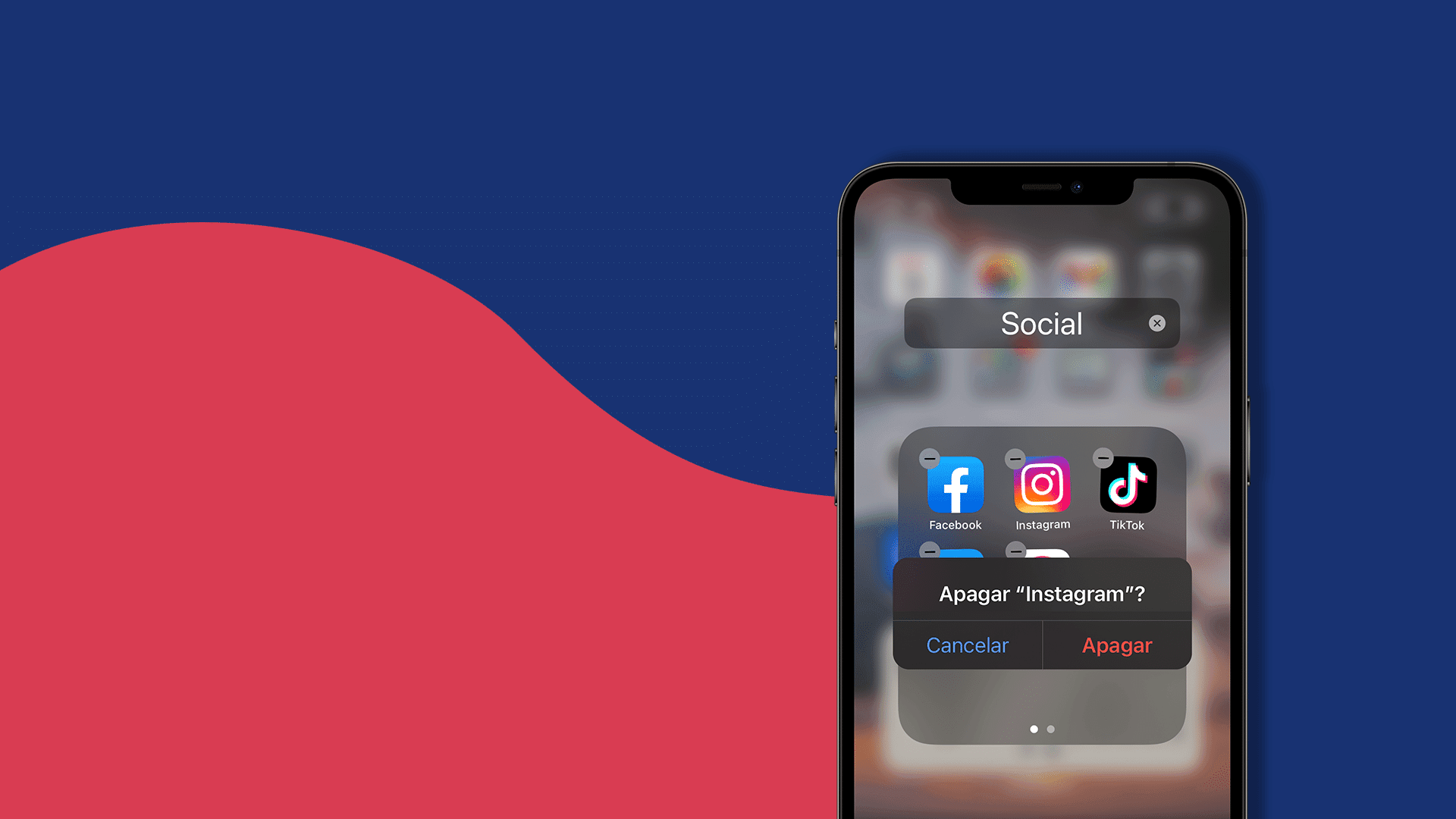
Marta Miranda – Branded Content Specialist & Producer – There's no room for doubt: the past two years have seen businesses in every market go digital at speed. And having a presence in the digital world, particularly on social platforms, seems to demand a frantic pace of content creation and communication, all in pursuit of engagement. If you were representing a brand, would you risk a communication strategy that didn't use social media? These days, that might well feel risky. Sharing content on these platforms seems, without question, to make it easier to get a brand's services and products in front of people. And that's despite brands constantly wrestling with the dynamics of those famous social media algorithms, for which the engagement a post generates has, in recent years, been one of the biggest factors in whether it turns up in people's news feeds at all.
Marta Miranda – Branded Content Specialist & Producer – There's no room for doubt: the past two years have seen businesses in every market go digital at speed. And having a presence in the digital world, particularly on social platforms, seems to demand a frantic pace of content creation and communication, all in pursuit of engagement.
If you were representing a brand, would you risk a communication strategy that didn't use social media? These days, that might well feel risky. Sharing content on these platforms seems, without question, to make it easier to get a brand's services and products in front of people. And that's despite brands constantly wrestling with the dynamics of those famous social media algorithms, for which the engagement a post generates has, in recent years, been one of the biggest factors in whether it turns up in people's news feeds at all. The algorithm
In fact, the controversy around the algorithm — the claim that users have no control over what social media shows them — led Instagram CEO Adam Mosseri to announce in January this year that the platform is once again testing a feature that will let users see posts in chronological order, should they want to.
The privacy policy
Another controversy in social media management concerns European privacy legislation and the rules governing data transfers from Europe to the US, where the servers of Meta (the company that owns the platforms), led by Mark Zuckerberg, are located. What's at stake is how Facebook and Instagram will be able to operate in European Union countries.
And likes
Likes (known as the “vanity metric”) have also changed the way society behaves — particularly around competition, comparison and popularity among younger people — and they end up interfering with users' privacy too. On the grounds of giving people more control over their social media experience, Instagram and Facebook have in fact introduced options allowing users to choose whether to display or hide like counts.
Controversies aside, is a strategic move away from the like boom starting to take hold in the communications world?
When brands go dark
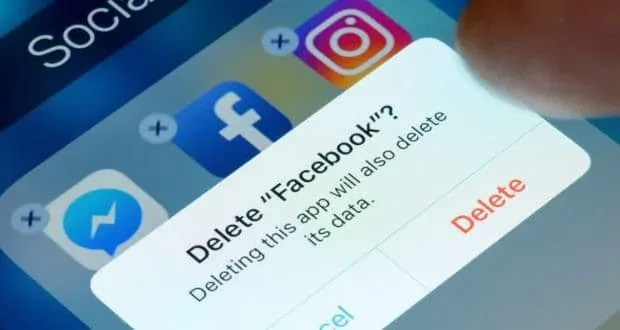
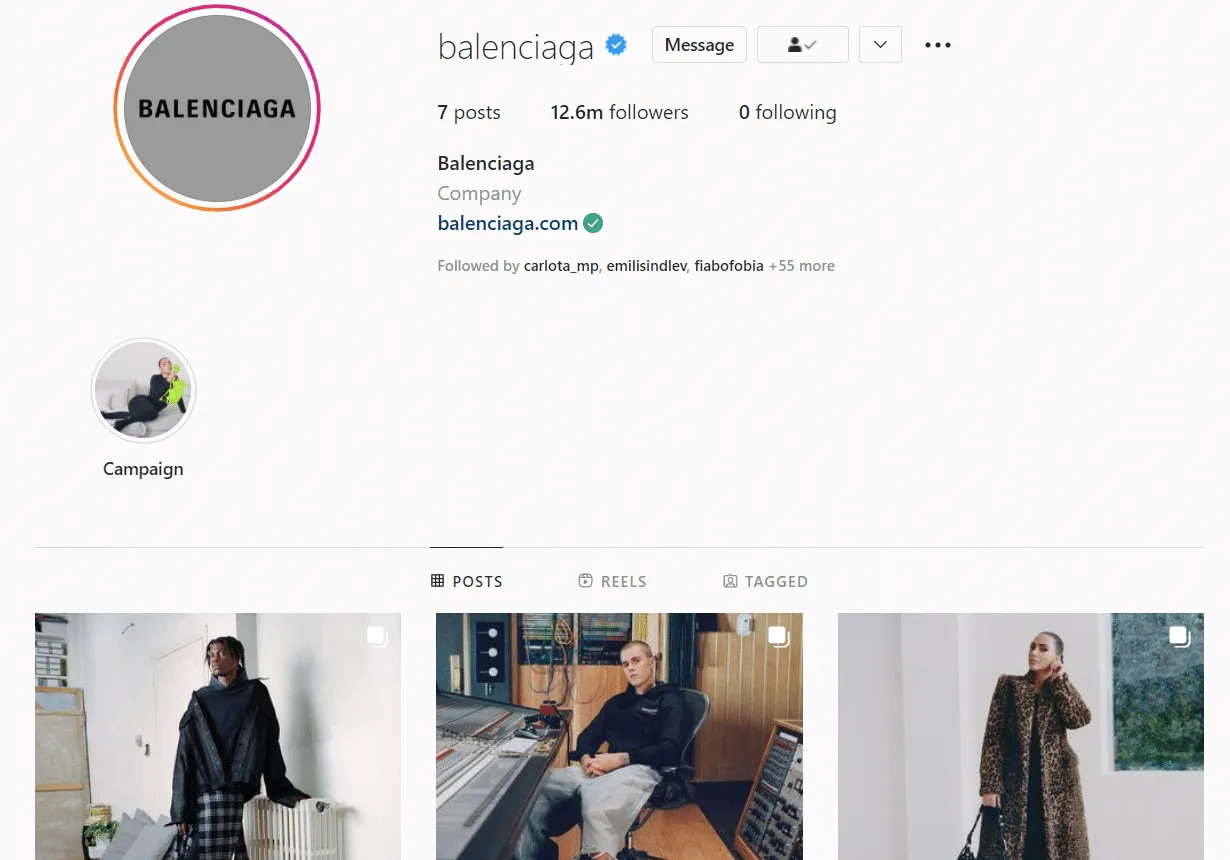
The start of 2021 brought news that took the digital marketing and consumer community by surprise. Bottega Veneta, one of the biggest luxury fashion brands, deleted its Twitter, Facebook and Instagram accounts (the latter with 2.5 million followers). A month later, the brand explained that it preferred to maintain an indirect social media presence through partnerships with ambassadors and fans, “letting them speak for the brand”. Source: Instagram page of fashion brand @Balenciaga (with just 6 live posts) Fleeting post management is another trend we're seeing on brand pages. Celebrity cosmetics brand Kylie Jenner deleted every post on its profile in 2021, leaving only one photo with a caption acting as a teaser for a new collection launch: “something is coming”. Luxury fashion brand Balenciaga has also been constantly deleting posts (technically, the better practice is to archive posts rather than delete them for good) whenever it launches something new.
Staying out of reach and creating an air of mystery seem to be among the latest things in the more fashion-led markets. “People before profit” (Mark Constantine, CEO of Lush)
Back in 2019, Lush — the well-known natural cosmetics brand — had announced its decision to delete its Facebook, Instagram, TikTok and Snapchat accounts globally. Lush CEO Mark Constantine justified the move by pointing to concerns about the damage current social media algorithms do to mental health, particularly among young people, as well as the alleged lack of legal regulation of the platforms.
A mental health issue
The controversy around social media and mental health has a lot to do with the impact on self-esteem, especially among young people. Dove ran a study showing that 85% of 13-year-old girls use filters to change how they look on social media, forcing themselves to match unrealistic beauty standards and seeking validation through likes and comments. The brand even launched the well-known “Reverse Selfie” campaign, which shows how easily a photograph is digitally manipulated with social media filters, highlighting the consequences of these pressures that devalue real appearance, eroding self-confidence and fuelling feelings of sadness.
We already knew social media had changed the way we relate to one another. Ironically, we can end up feeling lonelier and more disconnected. Addiction and FOMO (fear of missing out) keep us scrolling a social media feed for an average of more than two hours a day. Inevitably, that's airtime taken from other, potentially healthier activities. Fnac's campaign in Portugal
In Portugal, Fnac started this year by launching its “Desliga-te” (Switch Off) campaign.

With this manifesto, the brand wants to encourage its community to cut back on time spent active on social media, particularly at the end of the day and at weekends. Source: campaign published on Fnac's social media So which way to go? Find the right strategy for your community
It's one of the big challenges facing branded content in digital marketing. Brands seem dependent on social media to promote their campaigns and products, and they aren't willing to rely on traditional word-of-mouth marketing alone.
Deciding where to show up
So it's worth thinking carefully about which social formats are actually worth a brand's presence, and which complementary digital marketing channels it could invest in instead, such as email marketing or building a blog/website. Although Bottega Veneta deleted the networks where it had most followers, it decided to keep its Pinterest, Twitter and YouTube accounts online and also chose to create a seasonal digital journal.
Setting less demanding engagement targets also seems, ironically, to be good practice — especially given the argument, increasingly voiced by digital marketers, that likes and follower counts shouldn't be treated as the most important measures of business success. And while engagement is also linked to how often you post, that doesn't mean you have to post every day, particularly if you don't have content that adds something worthwhile to the user experience.
Content always matters most
It's essential to build a content strategy aligned with the brand's values, whether that content is funny, informative or educational. Even if the strategy means leaving social media and choosing instead to show up through genuine sharing by fans or partnerships with ambassadors/influencers. Or even if it means prioritising human contact over the digital.
Brands should build entertaining narratives that are relevant and add value to their followers' lives — like Dove or Fnac, who each used their positioning to encourage consumers to value real beauty more, or to switch off from the online world and focus more on real-life hobbies.
Brands should stake out their individuality in the market. It's healthy to follow trends and take part in the latest real-time and viral marketing challenges. But the brands that will stand out are always the ones that don't copy and that know how to create distinctive emotions and experiences for their community.

Get what we write
No fixed calendar: only when there is something worth your time.